On Earth Day, actor Kalki Koechlin reflects on her deep-rooted commitment to sustainable living, the small choices that shape a greener future, and the importance of leading by example in an increasingly fragile world. “Every day should be Earth Day for us,” she says, underlining how the idea goes far beyond symbolic celebration. “It’s really about the small, consistent choices we make in our daily lives—how we consume, what we throw away, and how mindful we are of our impact on the planet.”
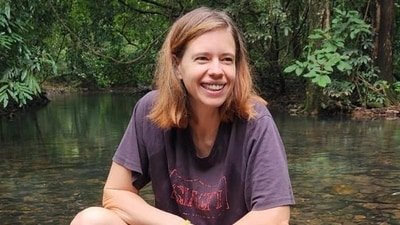
She adds, “When I travel, I try to make mindful choices, like choosing homestays instead of big hotel properties. It’s not just more sustainable, but it also supports local communities and reduces the kind of large-scale impact that bigger establishments can have.”
While conversations around climate change have grown louder, she points out the gap between intent and action. “People are talking more, which is great, but awareness has to translate into action. The real work is in what you do every day.” When asked what she wishes would change, the actor says, “We need to have the right people in the right positions. For instance, when it comes to the environment, you need scientists and people who really understand these issues to be part of decision-making. They’re the ones who have the knowledge, and their voices should be leading these conversations.”
On whether social media plays an important role in spreading her voice to the masses, Kalki draws a clear line between expression and effort. “Social media can help spread awareness, but it’s not enough to just post about issues,” she says. “What matters is what you’re actually doing beyond that. Your daily habits are what really make a difference.”
The 42-year-old adds that her own efforts are rooted in small, practical steps. “I’ve done simple things like making and distributing cloth bags to reduce plastic use. It’s a simple thing, but it starts conversations and nudges people to think about alternatives. These small actions may seem insignificant, but collectively they can create impact.”
She further elaborates, “If I’m speaking about sustainable living, it’s because I’m trying to follow it myself. Otherwise, it doesn’t hold value.” Not only Kalki, but her daughter Sappho, 6, is also a huge supporter of sustainable living just like her mom. Kalki expresses how motherhood has further deepened her commitment. “When children grow up seeing certain habits, they absorb them naturally. Simple things like not wasting, reusing items, or being close to nature—these become a part of their thinking without forcing it,” she shares.
“We’ve also made simple toys and little cartoon-like figures using things lying around the house, birdhouses, and so much more. We use whatever is available, and she really enjoys that process. She’s made little designs on leaves and creates her own small, playful things—it’s very instinctive for her. It becomes a fun activity, but at the same time, she’s learning that you don’t always need to buy something new—you can make it.” Kalki notes that these small, creative exercises help build a natural connection with the environment. “Sappho loves the idea of sustainable living. When children are involved in making things, they value them more. And they start understanding the idea of reuse and not wasting without it being forced on them.”
Looking at the larger picture, Kalki hopes for a more conscious collective shift. “We need to take responsibility as individuals. It’s not just on governments or big organisations—real change happens when people start making different choices in their own lives.”
The actor is quick to bust the myth about sustainable living, calling it a better way of living and not an expensive one. “In many ways, sustainable living is actually about reducing consumption, which saves money. It’s not about buying expensive ‘eco’ products—it’s about reusing what you already have and being mindful. It’s really a shift in mindset.” Sharing her final thought, she says, “Start small, but stay consistent. Because if more of us begin to act, even in small ways, it can lead to a much larger change.”