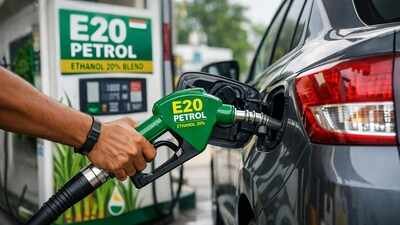
Chief Economic Adviser V Anantha Nageswaran has called for the government to consider reintroducing petrol with a lower percentage of ethanol, amid concerns on the impact of E20 petrol on vehicles.E20, which contains 20% ethanol, was introduced nationwide last year. Since April 1, it has been the sole petrol variant available at fuel stations across the country, as part of the government’s efforts to reduce dependence on imported oil and address pollution.In a column in the Indian Express, V Anantha Nageswaran said, “Restoring a lower blend at the pumps, say, E10, alongside the option to buy E20, would calm most public concern.”This is the first public call by a top official for greater choice in fuel blends as opposition to the policy grows among consumers.The article was jointly written with Akash Poojari, a consultant with India’s Department of Economic Affairs. Both authors clarified that the views expressed were personal. Public disagreement with an existing government position, however, remains unusual among senior Indian officials, as noted by Reuters in a report.Also Read | E20 petrol row: Govt answers 9 FAQs on ethanol-blended petrol’s impact on mileage, performance, damage, pricing & more
E20 usage concerns
The government had said last month that it had no proposal to bring back lower-ethanol petrol variants such as E0 or E10.The shift to E20, however, has triggered widespread concerns over vehicle performance and possible damage to automotive components.
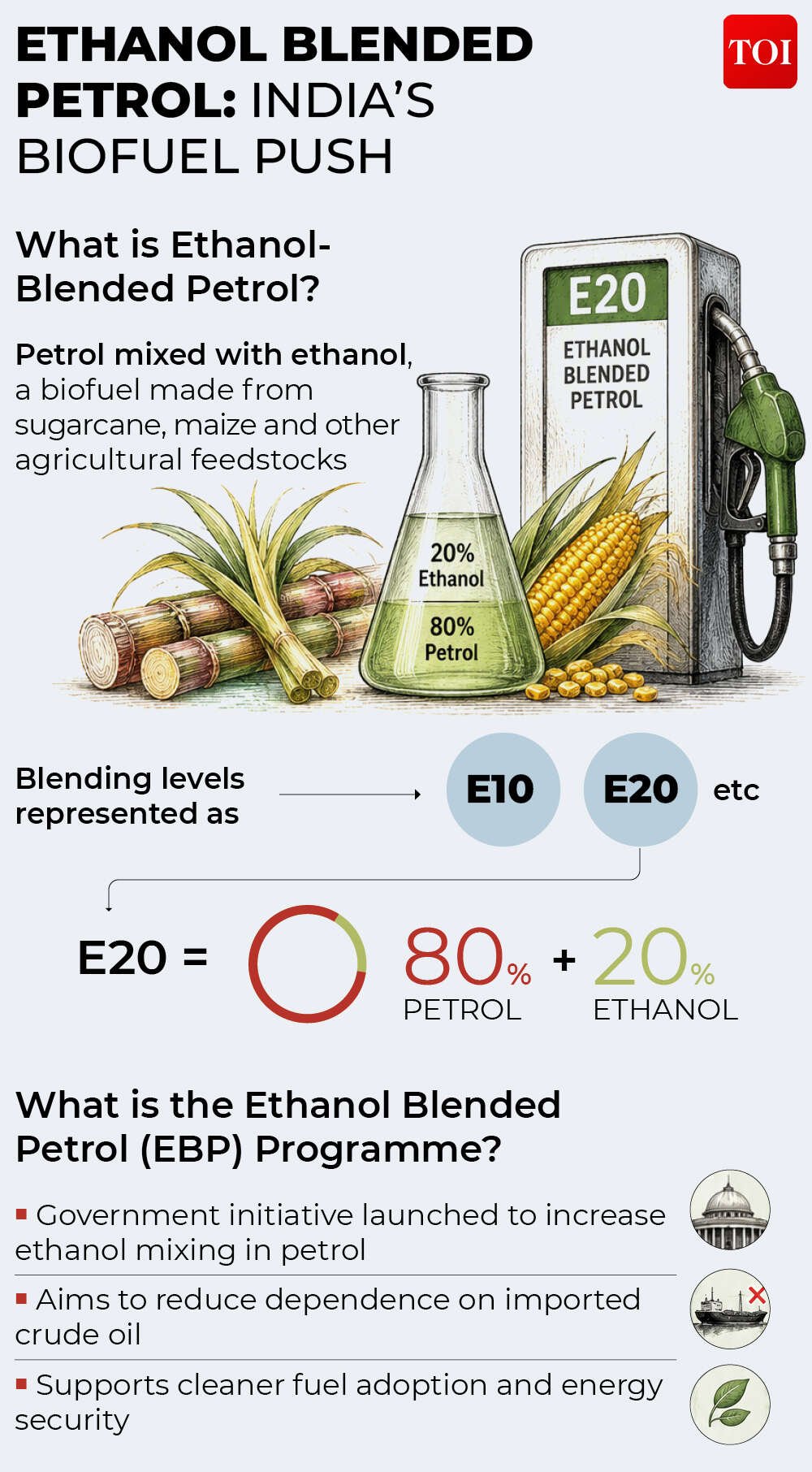
Ethanol blended petrol: India’s biofuel push
Many vehicle owners have taken to social media to voice their concerns and demand that petrol with lower ethanol content once again be made available.The oil ministry did not immediately respond to a Reuters request for comment.The opinion article came days after a Reuters report revealed that senior executives at major Indian automakers had privately raised concerns over contamination in E20.While the article said available evidence does not substantiate concerns that E20 is damaging engines, it acknowledged potential problems involving older vehicles.“India has roughly 75 to 80 million older two-wheelers … older rubber seals that are not rated for ethanol are a separate problem … retrofitting those seals… that way will take years,” the opinion piece said.
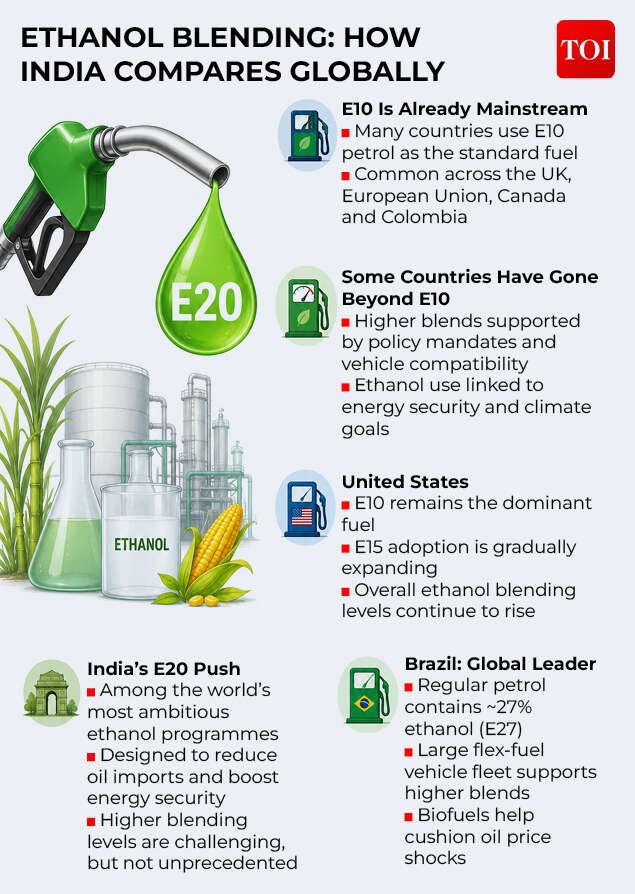
Ethanol blending: How India compares globally
The authors said the government should “protect the existing fleet while the retrofit programme catches up,”.The Centre’s decision to make 20% ethanol-blended petrol, or E20, mandatory has sparked a political controversy, with Opposition leaders pointing to a 2021 NITI Aayog report and questioning whether the nationwide rollout followed the safeguards and phased approach outlined in it.The debate intensified during a Supreme Court hearing on petitions challenging the E20 policy. Attorney General R Venkataramani described E20 as an “experiment” and said its outcome would become clear next year. The Centre subsequently clarified that it was not referring to E20 itself as an experiment.Fuel efficiency has emerged as the most prominent concern among consumers.The Centre has defended the ethanol programme, arguing that greater blending has helped reduce India’s reliance on imported crude, conserve foreign exchange and improve energy security. The government has also highlighted that India reached the 20% blending target five years earlier than the original 2030 deadline.The government has rejected the suggestion that India’s ethanol policy is unusual internationally, arguing that the country is part of a broader global shift towards higher ethanol blends.As an example, it has cited the United States, where E10 is the standard petrol blend and E15 is being expanded, while millions of flex-fuel vehicles are capable of operating on blends containing up to E85.