
In a groundbreaking move toward carbon neutrality, Helsinki has transformed two abandoned underground oil caverns into Finland’s largest heat storage facility. According to Helen, the city’s energy company, the caverns in Mustikkamaa were filled with 260,000 cubic metres of hot water, creating a giant “heat battery” to balance consumption peaks throughout the year. The project, which began construction in 2018 and was completed in 2021, marks a unique case even on a global scale and represents an important step on Helsinki’s path to becoming carbon neutral. The stored heat corresponds to the heating of 25,000 one-bedroom apartments all year round and is expected to decrease Helen’s carbon dioxide emissions by 21,000 tonnes per year.A unique solution for a cold climateThe heat caverns, located 80 metres underground in Mustikkamaa, are a unique case even on a global scale. The temperature of the water in the caverns varies between 50 and 90 °C, and the effective volume of the cavern storage facility is 260,000 cubic metres with an energy capacity of about 11,500 MWh. The charging and discharging capacity is 120 MW, meaning the discharging or charging of the heat caverns at full power takes about four days.The rock caverns will decrease Helen’s carbon dioxide emissions by 21,000 tonnes per year. The stored heat can be used for balancing demand peaks and that way cutting fossil heat production, for example, in cold winter days.During the heat load of the coldest days of the winter, the start-up of separate natural gas and oil-fired heating plants can be avoided by using the storage facility.From oil to waterThe caverns were originally used for the storage of heavy fuel oil by the Neste Oil Company in the 1970s. Three large oil caverns are located underground in Mustikkamaa, but only two of the rock caverns are identical and they can be converted for heat storage use. The volume of the storage facility is about 260,000 m3.Helen started to fill the heat caverns with tap water in early December 2020.The filling of the caverns took more than three months due to their enormous total volume of 320 million litres. The caverns have such a large capacity that filling them from an ordinary kitchen tap would have taken more than 50 years. The current estimated temperature of the water storage facility is about +30 degrees. Slow heating of the bedrock has started, and actual heating of water in the heat cavern will start in April.
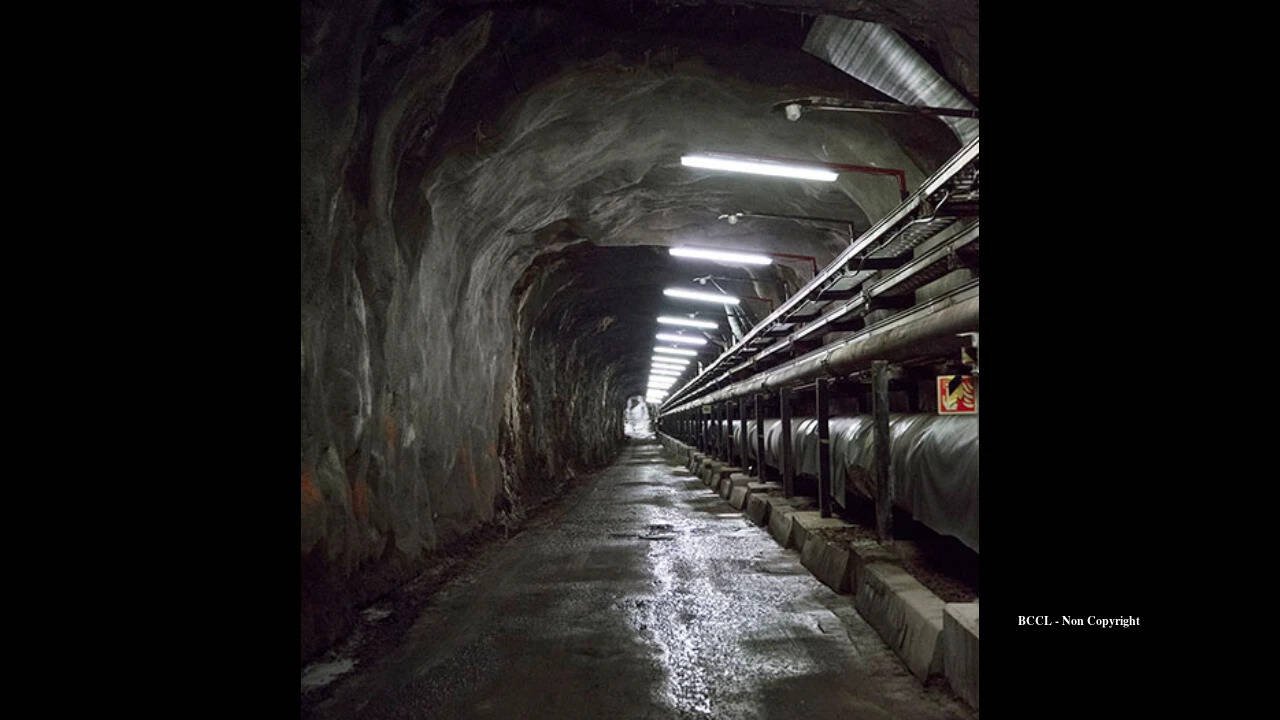
Helsinki turns abandoned oil caverns into giant underground heat batteryPhoto credit: www.helen.fi
A step toward carbon neutralityThe aim is to connect the heat caverns into the current district heating system of Helsinki in July 2021.The heat caverns balance the consumption peaks in the district heating network throughout the year. District heat is stored in the caverns for use at another, more suitable time. On discharge, the heat can be utilised as such as district heat.With the facility, it will be possible, for example, to avoid starting up separate oil- or gas-fired heating plants in the winter season. The charging and discharging capacity of the heat storage is 120 MW, i.e.the operating time is four days with full charging/discharging. The amount of energy stored is 11,600 MWh, and the annual amount of stored energy is about 140,000 MWh.A model for the futureThe use of the rock caverns as a heat storage facility will have no impact on other activities in Mustikkamaa. The project is part of Helen’s broader strategy to replace fossil fuels with biomass and waste heat. Helen’s heat storage facilities are enormous water tanks, which are heated when demand is low.When consumption increases, heat is discharged from the storage facility.In the summer, the caverns will be filled with warm seawater. In the winter, heat pumps will be used to extract the heat from the seawater in the caverns. This solution, which balances winter- and summertime heat supply and demand, is one of the first of its kind in Finland. One-third of Helsinki’s buildings will be heated by this ground-breaking seasonal energy storage facility, built by Helen and Skanska in caverns previously used for oil storage.An innovative legacyThe Mustikkamaa heat storage project demonstrates Helsinki’s commitment to sustainability and innovation. By repurposing abandoned oil caverns into a giant heat battery, the city has found a creative solution to the challenge of meeting energy demand in a cold climate. The project not only reduces carbon emissions but also offers a blueprint for other cities aiming to transition to renewable energy sources. As Helsinki continues its pursuit of carbon neutrality by 2030, the Mustikkamaa heat caverns stand as a symbol of what can be achieved when innovation meets necessity. They remind us that sometimes, the best solutions are already beneath our feet, waiting to be unearthed and repurposed for a more sustainable future.