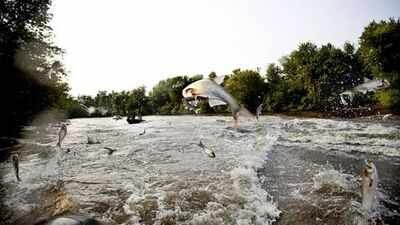
For decades, Pickerel Lake in Minnesota struggled with poor water quality, heavy algal growth and extremely low aquatic plant cover. The shallow lake had become dominated by common carp, a bottom-feeding fish that can disturb lake sediments and alter the movement of nutrients through an aquatic ecosystem.But after the invasive fish were removed in 2009, the lake underwent a dramatic ecological transformation. Water became substantially clearer, phosphorus levels fell, algae declined and aquatic plants returned across much of the lake. A study published in Inland Waters found that removing common carp was followed by major improvements in both water quality and the lake’s biological community.Pickerel Lake, located near Albert Lea in southern Minnesota, covers about 281 hectares and is extremely shallow, with an average depth of only 1.2 metres and a maximum depth of 1.8 metres. Records of degraded water quality date back to at least 1948, when the lake was described as having poor water clarity and heavy algal blooms.Common carp had become a major problem. The fish are native to Eastern Europe and Asia but have been introduced widely around the world and are considered among the most invasive aquatic organisms. They are often described as ecosystem “engineers” because their feeding behaviour can reshape sediments, nutrient cycling, water transparency and aquatic plant communities.Carp feed by digging into the lake bottom in search of food. In doing so, they can uproot aquatic vegetation and resuspend sediment, making the water more turbid. Their activity can also move nitrogen and phosphorus from sediment into the water column, providing nutrients that can fuel algal growth.Pickerel Lake had an especially severe carp problem. In a 2008 survey, the catch per unit effort for carp was 36.4 kilograms per net, around 26 times higher than the threshold associated with severe ecological disruption in comparable lakes. The average carp caught weighed about 1 kilogram and measured 44 centimetres in length. The lake had also lost almost all of its aquatic vegetation. Before the intervention, macrophyte coverage ranged from 0% in 2009 to only 9% in 2002. In 2009, roughly two months before carp removal, no aquatic plant species were detected during one survey.In October 2009, managers treated the lake with rotenone to eliminate the carp. Native fish were subsequently restocked, including bluegill sunfish, yellow perch and northern pike. An electric fish barrier was also installed at the lake outlet to prevent carp from returning from downstream waters. The changes that followed were striking.Researchers found that total phosphorus in the water fell from about 417 micrograms per litre before treatment to 83.4 micrograms per litre afterwards, an approximately 80% decline. Chlorophyll a, an indicator of algal productivity, dropped by 94%, from 242 to 17.4 micrograms per litre. Turbidity also fell by 94%, from 150 to 9.2 Formazin Nephelometric Units.At the same time, water clarity improved dramatically. Secchi disk transparency, a standard measure of water clarity, increased from about 0.18- 0.2 metres before treatment to 1.2 metres afterwards. In 67% of post-treatment measurements, the Secchi disk reached the lake bottom, meaning the actual improvement in clarity may have been even greater than the measurements suggested.The lake’s transformation was not limited to its water. Aquatic plants began returning rapidly. Just eight months after the carp removal, macrophytes covered 32.4% of sampled plots. By August 2010, 10 months after treatment, coverage had reached 100%. The number of plant species detected also increased to six. In subsequent years, plant coverage generally remained between 90% and 100%, while species richness ranged from six to 10.The researchers described this as a shift from an algal-dominated ecosystem to one dominated by aquatic plants. Before the intervention, carp disturbance helped keep sediments suspended and nutrients circulating in the water, conditions that favoured algae and limited plant growth. After the carp disappeared, sediment became more stable and aquatic vegetation was able to re-establish itself.The study also found evidence that phosphorus was effectively being moved back into the lake sediment rather than remaining available in the water. The amount of phosphorus in the water column declined by about 0.39 grams per square metre after treatment, while labile phosphorus stored in the upper 10 centimetres of sediment increased by approximately 0.40 grams per square metre. The close match suggested that carp had played a major role in transporting phosphorus from the sediment into the water.The fish community changed as well. Carp were not detected in surveys conducted after the treatment. By 2013, northern pike, yellow perch and black bullhead were among the most abundant fish. The black bullhead population had apparently recovered without being restocked, suggesting that some may have survived the treatment and subsequently repopulated the lake.Pickerel Lake’s recovery therefore offers a striking example of how changing one part of an ecosystem can trigger a much wider transformation. The findings suggest that in lakes where invasive bottom-feeding fish have become dominant, tackling the fish population alongside nutrient management may be essential to restoring ecological health.