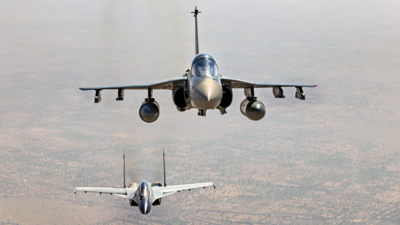
The Indian Air Force (IAF) chief Air Chief Marshal AP Singh delivered a blunt assessment of the fighter shortage plaguing his organisation. The reduction in numbers has been eroding the effectiveness of the force for years and shows no sign of easing soon. Speaking in New Delhi ahead of the 94th Air Force Day, Singh said the IAF’s current fighter fleet stands at 29 fighter squadrons against a sanctioned strength of 42.5, and that the force needs to induct 36 to 40 new aircraft annually to meet its current requirements. This totals effectively to the induction of two fighter squadrons every year just to arrest the decline. “There is some extra delay, and there is no doubt that it is going to hurt us,” he said, pointing squarely at the slow pace of fighter inductions.A significant portion of this delay traces back to Hindustan Aeronautics Limited’s production of the Tejas Mark-1A. The IAF has 180 of these jets on order. HAL has committed to manufacturing as many as 24 of these aircraft on an annual basis from here production lines Two of these lines are located in Bengaluru and the other one is located in Nashik.The air force is taking a pragmatic route when it comes to inducting a fifth-generation fighter aircraft. The air force may consider procuring this generation of combat aircraft from abroad only if the domestic programme, the Advanced Medium Combat Aircraft (AMCA), faces further delays. Russia has been aggressively pitching the Su-57 fifth generation aircraft to India. Defence Secretary had also recently stated that AMCA remained India’s sole path to stealth capability. The induction of this latest generation of operational fighters is important as the China’s fleet of these fighters continues to grow and Pakistan is expected to induct a Chinese fighter of this generation. China is also working to operationalise two different types of even more advanced sixth-generation fighter aircraft.On the more immediate procurement front, the Air Force gave the clearest timeline yet for the long-pending 114-aircraft Multi-Role Fighter Aircraft deal, saying it hopes the contract will be signed within the current financial year, which runs through March 2027. The Dassault Rafale remains the clear front-runner, with the bulk of the aircraft expected to be manufactured in India under a Make in India arrangement, building on the existing fleet of 36 Rafales already in service. A portion of this fleet also experienced combat during the active phase of Operation Sindoor last year.The briefing also addressed the Air Force’s approach to drones, pushing back on the idea that it needs a separate command structure for unmanned systems, as has been proposed elsewhere, arguing that the force has operated drones for years and sees them as complementary to manned aircraft rather than a parallel silo requiring separate institutional structures. The IAF had in 2022, launched a weapons systems branch that will be designed to handle surface-to-surface missiles, surface-to-air missiles, remotely piloted aircraft and weapon system operators in twin and multi-crew aircraft.The IAF has painted a picture of an air force managing a genuine capability gap through multiple parallel tracks, seeking an expedited Tejas production, pulling private industry into fighter manufacturing, pushing the Rafale deal toward a close and keeping a foreign fifth-generation option in reserve. The air force is clear that capability will come through he indigenous route.