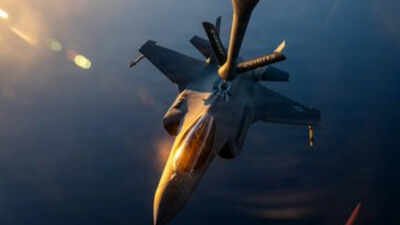
The United States is weighing whether to expand the deployment of nuclear weapons to additional North Atlantic Treaty Organisation (NATO) countries. Currently, six European states host US nuclear-capable aircraft, but US officials have signaled openness to extend this arrangement. The discussions center on more nations hosting dual-capable aircraft able to deliver nuclear strikes, though no agreement is imminent. Interest has reportedly come from NATO’s eastern flank, including Poland and some of the Baltic states, reflecting heightened security concerns amid tensions with Russia, according to a Financial Times report.Pentagon policy chief Elbridge Colby has previously emphasized that US nuclear weapons remain central to NATO’s defence, even as US president Trump expects America’s European allies to shoulder more responsibility for conventional forces.NATO’s nuclear sharing arrangements form the backbone of its deterrence posture, ensuring unity by distributing both political responsibility and operational risks among allies. They give non-nuclear members a role in shaping nuclear policy, strengthening cohesion and credibility. Operationally, these arrangements provide tools to deter aggression and manage escalation during crises. In today’s unpredictable environment, nuclear sharing is vital to preserve peace and prevent coercion. It also visibly demonstrates the US extended deterrence guarantee, reassuring allies while discouraging further nuclear proliferation across Europe. Only three of thirty two NATO members namely the United States, France and the United Kingdom are nuclear weapons states.
History of US nuclear weapons in Europe
Extended deterrence has been central to NATO’s collective security since its inception. The first U.S. atomic weapons were deployed in Europe in 1954, followed by years of political and military deliberations that culminated in the creation of nuclear sharing arrangements. In 1966, NATO established the Nuclear Planning Group (NPG) to provide collective political oversight of the alliance’s nuclear mission. This gave non-nuclear allies a platform to shape nuclear policy and planning, ensuring their security without requiring them to develop nuclear weapons themselves.NATO’s nuclear sharing framework has remained compliant with the Nuclear Non-Proliferation Treaty (NPT). During negotiations in the 1960s, both the US and the Soviet Union agreed that the arrangements were necessary to prevent further nuclear proliferation in Europe. The NPT entered into force in 1970, with NATO’s arrangements intact. These measures continue to underpin NATO’s deterrence posture during the Cold War.