For years, Honey Trehan’s film on human rights activist Jaswant Singh Khalra existed more as a censorship controversy than a movie. Announced as Ghallughara, later retitled Punjab ’95 and finally released as Satluj, the Diljit Dosanjh-starrer spent nearly four years battling certification hurdles before quietly premiering on ZEE5 on July 3.
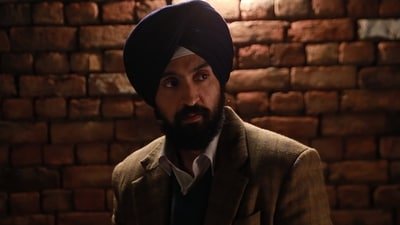
There were no promotions, interviews or marketing campaigns. Then, just 48 hours later, the film disappeared.
On July 5, ZEE5 announced that Satluj would be unavailable in India “until further notice”, citing unspecified “developments”. The platform has not elaborated further, and neither the CBFC nor the film’s producers have publicly explained the move. HT reached out to all stakeholders but had not received a response at the time of going to press.
Also Read | ‘Same fate as Jaswant Singh Khalra saab’: Diljit Dosanjh predicted Satluj being taken down from Zee5, reacts to ‘ban’
Only one man is talking — Diljit
The most detailed response has come from Diljit, who suggested the team always feared such an outcome. During an Instagram Live session, the actor said the makers deliberately avoided announcing or promoting the release because they worried the film might never reach audiences otherwise. In fact, during a fan interaction a day before the takedown, he had predicted it could happen: “Today is Saturday. I feel it could be taken down by Monday. But no worry, you download it and watch.”
After the removal, Diljit remained defiant. “You can trouble me as much as you want. I am with Punjab till the day I die,” he said, adding that he was satisfied the film had reached viewers and urging those who downloaded it to share it further. Beyond Diljit, most stakeholders have remained silent. Producer Ronnie Screwvala has not commented, while director Honey Trehan only reposted ZEE5’s statement with the message, “Tera bhana meetha lage” (God’s will seems sweet).
Why was the film controversial?
The film tells the story of Jaswant Singh Khalra, the human rights activist who investigated alleged illegal cremations and extrajudicial killings during Punjab’s militancy years. Khalra was abducted and murdered in 1995, and the case later led to the conviction of several police personnel. Because it revisits one of the most sensitive chapters in Punjab’s history, the project faced scrutiny from the start. After being submitted to the CBFC in 2022, the film reportedly ran into objections and was asked to make more than 120 cuts. Trehan maintained that such changes would fundamentally alter the film. The prolonged dispute derailed release plans and eventually pushed the makers towards a direct-to-digital release.
Why OTT?
Unlike theatrical releases, OTT platforms do not require prior CBFC certification. Industry observers believe streaming offered the makers the only realistic way to release the film in its intended form. That makes its sudden removal all the more puzzling.
So what happens now?
Some observers point to the film’s politically sensitive subject matter, while others have noted that Punjab is due to hold Assembly elections early next year. Film trade analyst Atul Mohan says the exact trigger remains unclear but believes the subject itself may have raised concerns. “It is definitely a sensitive issue. Elections are coming in Punjab and maybe there could be a concern that no one should use this as propaganda,” he says. Adding to the controversy, advocate Vineet Jindal has said he filed a complaint with the Ministry of Home Affairs seeking action against the filmmakers and ZEE5, alleging that the film promotes a distorted narrative around Punjab’s insurgency years, in addition to an FIR against Diljit. There is currently no indication that the complaint is linked to the film’s removal.