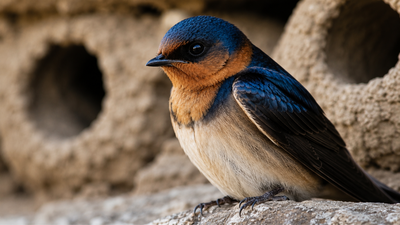
For centuries, the arrival of thousands of cliff swallows transformed the skies above a small California town into one of America’s most celebrated wildlife spectacles. Every spring, the agile birds returned almost like clockwork after migrating from South America, filling the air with their distinctive chatter as they rebuilt their mud nests around the historic mission. Their homecoming became so famous that it inspired poems, songs and an annual festival. Then, over several decades, their numbers dwindled dramatically. As the birds abandoned the place that had made them famous, residents and scientists began searching for the reasons behind the decline and set out to restore the conditions that had once made the town a perfect seasonal home.
Thousands of cliff swallows returned to this California town every spring
The story centres on San Juan Capistrano in southern California, home to the historic Mission San Juan Capistrano. Its sheltered walls, arches and overhanging ledges offered ideal nesting sites for cliff swallows, small migratory birds that build flask-shaped nests using hundreds of tiny mud pellets.Each year, the birds travelled thousands of kilometres from South America to breed in California before making the journey south again for winter. Their remarkable ability to return to the same location year after year turned San Juan Capistrano into one of North America’s most famous migration landmarks.Cliff swallows are highly social birds that often nest in large colonies, providing greater protection from predators through collective vigilance. Their mud nests are carefully engineered structures that can be reused or repaired across multiple breeding seasons.
Why the swallows stopped returning
By the late twentieth century, visitors began noticing fewer swallows arriving each spring. Scientists found there was no single cause behind the decline. Rapid urban development reduced open areas where the birds collected mud and hunted flying insects, while many modern buildings lacked the sheltered ledges they preferred for nesting.Routine building maintenance also removed old nests, leaving fewer places for new generations to settle. On top of that, drought and shifting weather patterns affected insect populations, making the surrounding landscape less favourable than it had been for centuries.
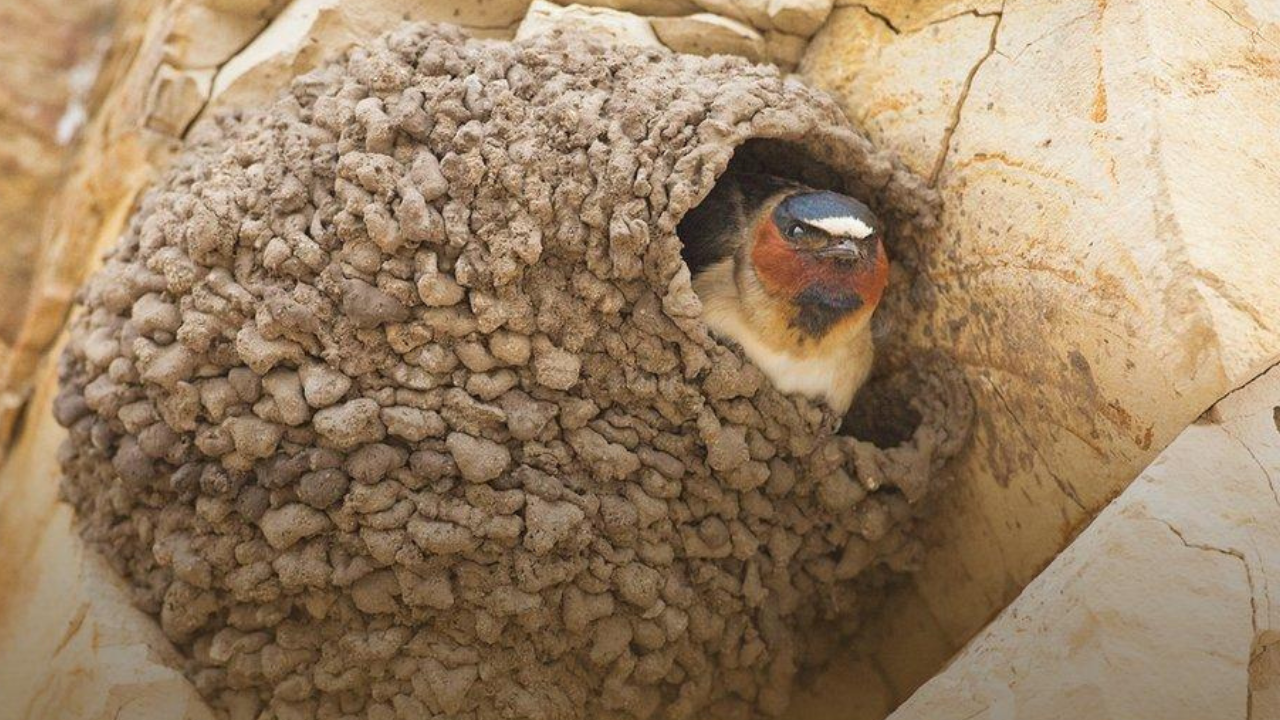
A community worked to rebuild their home
Rather than accepting the loss of a cherished tradition, residents, conservation groups, scientists and mission staff joined forces to improve the birds’ chances of returning. Artificial nesting towers and specially designed ledges were installed to replace nesting sites that had disappeared over time, while existing nests were protected during the breeding season.The work did not stop there. Volunteers helped restore nearby habitat where the swallows could find mud for nest building and abundant insects for food. Researchers also monitored the birds every spring, tracking nesting activity and using the findings to refine restoration efforts year after year. The project became a long-term commitment that combined science with community participation.
The birds found their way home again
The restoration did not produce immediate results, but gradually more cliff swallows began appearing around the mission each spring. Although today’s flocks are generally smaller than the enormous gatherings recorded decades ago, their return showed that carefully restoring habitat can help migratory species reconnect with historic breeding grounds.The recovery also highlighted the birds’ extraordinary navigational abilities. After travelling thousands of kilometres across the Americas, many were still able to locate the same breeding sites with remarkable precision.Scientists continue to study the mechanisms behind this navigation, which may involve a combination of Earth’s magnetic field, the position of the Sun and visual landmarks. Understanding these abilities could also improve conservation strategies for other long-distance migratory birds.
A festival continues to celebrate their return
Today, San Juan Capistrano honours its feathered visitors with the annual Swallows Day Parade and other community celebrations that recognise one of America’s best-known wildlife traditions. The event attracts thousands of visitors each year and reflects the town’s enduring connection with the birds that helped shape its identity.
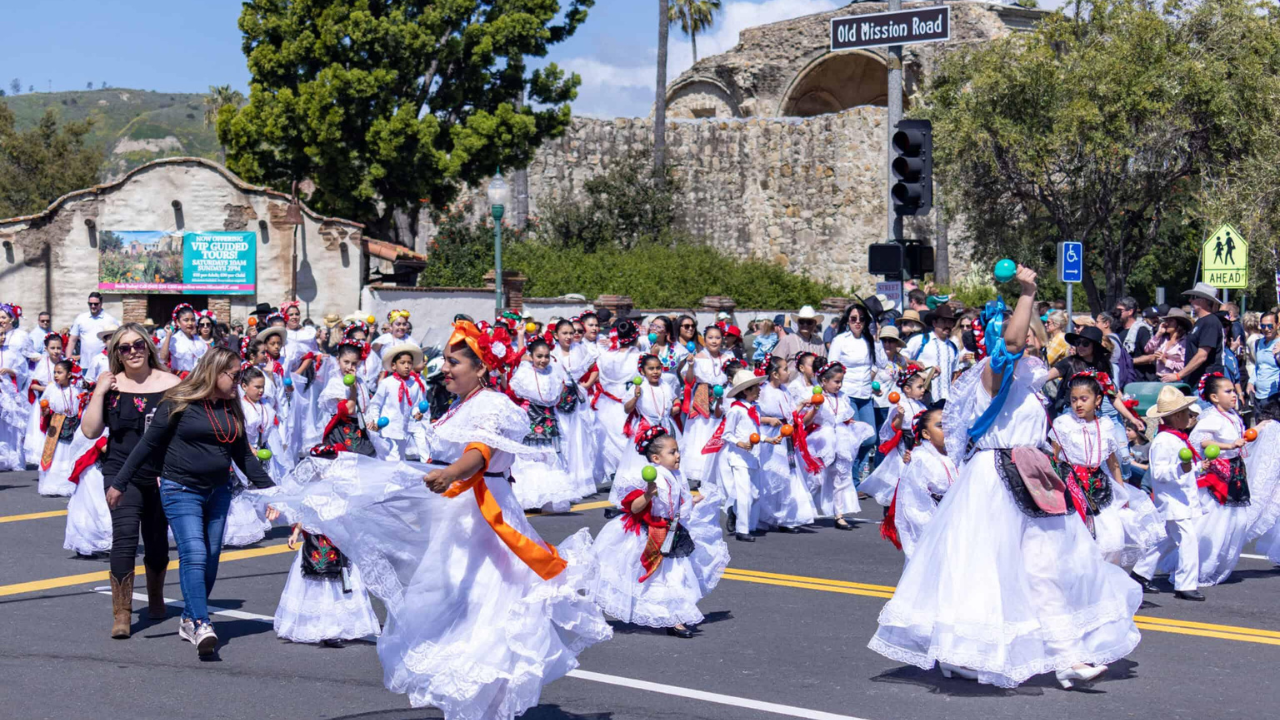
The annual Swallows Day Parade celebrates one of America’s most famous bird migrations.
While the swallows’ story is still unfolding, their gradual return demonstrates that protecting habitat, preserving nesting sites and involving local communities can help reverse wildlife declines. It serves as a reminder that restoring nature often requires patience, persistence and cooperation, but the rewards can last for generations.