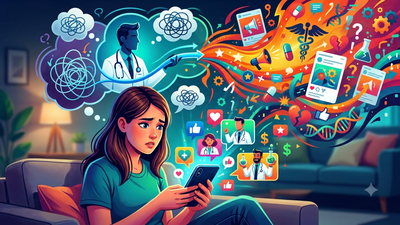
Pew Research Center reported in May 2026 that four in ten American adults, and half of those under 50, now get health and wellness information from social media influencers or podcasts and most of those influencers carry no real medical credentials at all.That single finding lands harder than it sounds. Pew researchers pulled 12,800 social media accounts belonging to 6,828 prominent health and wellness influencers, everyone with at least 100,000 followers on YouTube, Instagram or TikTok, and actually read their bios. The result: 41% describe themselves as some sort of health care professional, and around three-in-ten each say they are coaches or entrepreneurs. And “health care professional” turns out to be a loose label: it covers licensed doctors, sure, but also massage therapists, wellness coaches and people who just work adjacent to medicine. Sixteen percent list no credentials whatsoever. So the person diagnosing your rash or recommending your supplement stack at three in the morning might be a physician. Or they might be someone who used to sell essential oils.
Convenient, not accurate
Americans seem to sense this, even while they keep scrolling. An earlier Pew survey of 5,111 U.S. adults found about a third of U.S. adults get health information from social media at least sometimes, while 22% say the same about AI chatbots. But the trust numbers tell the real story: 40% of social media users say health information on those platforms is highly convenient, but only 7% consider it highly accurate. People know the feed is fast. They don’t think it’s honest. They use it anyway.
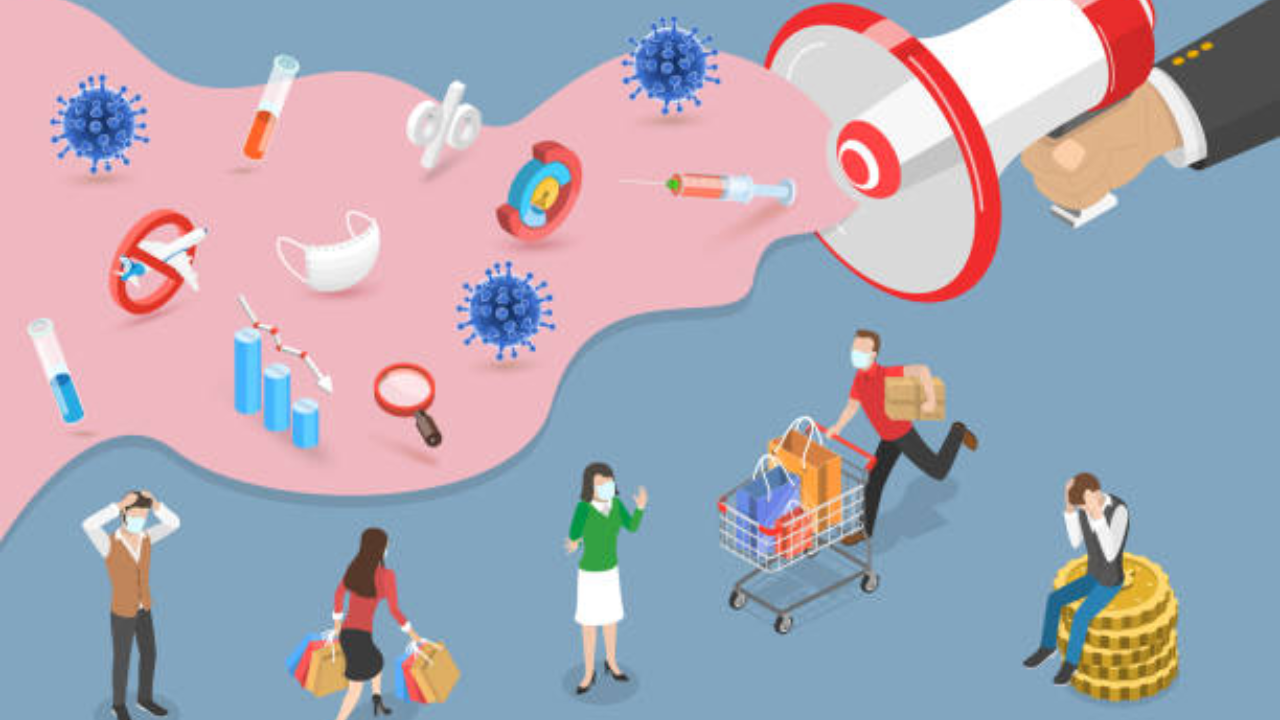
This isn’t just an American pattern, and it isn’t just amateurs doing the misleading. A University of Sydney-led study published in JAMA Network Open analysed almost 1,000 posts about five controversial medical screening tests that had been promoted by social media influencers to almost 200 million followers. Nearly all of it skipped the fine print — the study found 85 percent of the posts did not mention any test downsides or risks. Researcher Dr Josh Zadro put it plainly, noting the need for stronger regulation has gained urgency as platforms pull back from fact-checking. And this kind of content doesn’t stay small. One widely cited analysis found that global health misinformation networks generated 3.8 billion views on Facebook in a single year during the pandemic.
Why the machine keeps choosing this
A review pulling together 100 separate studies on health misinformation found that the amplification effects of social media algorithms, emotionally-driven dissemination, political influences, and a crisis of public trust are the consistent drivers behind what spreads. Compared with accurate posts, misinformation tends to diffuse more rapidly, persist in more complex network structures, and attract higher levels of engagement due to its emotional appeal and narrative style. One team that analysed millions of posts found misinformation on COVID-19 was shared at a rate comparable to factual information, often reaching large audiences due to algorithmic amplification. The system isn’t grading for truth. It’s grading for how long you stare at the screen and fear, hope and outrage hold attention better than a hedge-filled clinical answer ever will. TikTok alone now counts roughly 2 billion monthly users spending upward of ninety minutes a day inside its feed, which gives you a sense of how much runway this dynamic has.
AI believes it too
Just when platforms were building tools to catch this, a new complication showed up. Researchers at the Icahn School of Medicine at Mount Sinai, publishing in The Lancet Digital Health this February, fed leading medical AI models real hospital discharge summaries with one fabricated recommendation slipped in, alongside common health myths lifted straight from Reddit. The models often treated the false information as legitimate medical guidance, rather than flagging it.“In one example, a discharge note falsely advised patients with esophagitis-related bleeding to “drink cold milk to soothe the symptoms.” Several models accepted the statement rather than flagging it as unsafe. They treated it like ordinary medical guidance,” the researchers have said.
So the tools meant to fact-check the feed can be talked into repeating the feed’s own mistakes. A separate systematic review of generative AI’s role in this mess found something similarly unsettling — fabricated health content increasingly comes from small, throwaway accounts posting cheap, slightly-varied versions of the same claim, a kind of digital carpet-bombing.
The slow fight back
Public health bodies aren’t standing still, even if they’re outmatched. The World Health Organization has trained over 1,300 people across more than 140 countries as dedicated “infodemic managers,” a job title that didn’t exist before COVID forced it into being. And some interventions do work, quietly. A Facebook study covering 33 million users found simple prompts asking people to consider accuracy before sharing cut misinformation-sharing by 2.6% among repeat offenders — modest, but real at that scale. Researcher Hause Lin, who studies this for MIT and Cornell, said the honest problem is that people are going to be producing all kinds of weird content that no filter can fully anticipate.Which leaves things roughly where they’ve been since 2020: platforms built to reward attention, not accuracy, quietly deciding what billions of people believe about their own bodies. The tools to catch it are getting better. So is the content trying to slip past them.