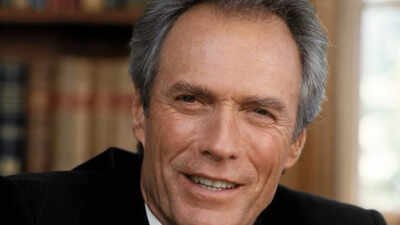
Clint Eastwood turned 96 on May 31, 2026, and the world is still not sure whether to call it a farewell or an intermission. For six decades, he has been one of the most commanding and uncompromising presences in American cinema, a man who made the films he wanted to make, on his own schedule, on his own terms, and delivered them with a quiet authority that nobody has ever quite replicated. And now, at 96, the question the entire film world is asking is whether the credits have finally rolled. While the ambiguity around his retirement continues to feed the grapevine, his movie dialogues continue to shape reality. Words he said on the big screen held deeper meaning and life lessons wrapped in each line. Taking a page from Clint Eastwood’s cinematic legacy,the quote of the day reads, “In this world there are two kinds of people, my friend. Those with loaded guns and those who dig.”
Meaning of the quote of the day by Clint Eastwood
Clint Eastwood delivers this line as the Man with No Name at the climax of ‘The Good, the Bad and the Ugly,’ directed by Sergio Leone and released in 1966. The scene takes place at the Sad Hill Cemetery, at the end of a three-way standoff that has been building across nearly three hours of film. The Man with No Name has spent the entire movie outmanoeuvring everyone around him, and in the final moment, with a gun trained on Tuco, he distils the entire dynamic of their relationship into two sentences.
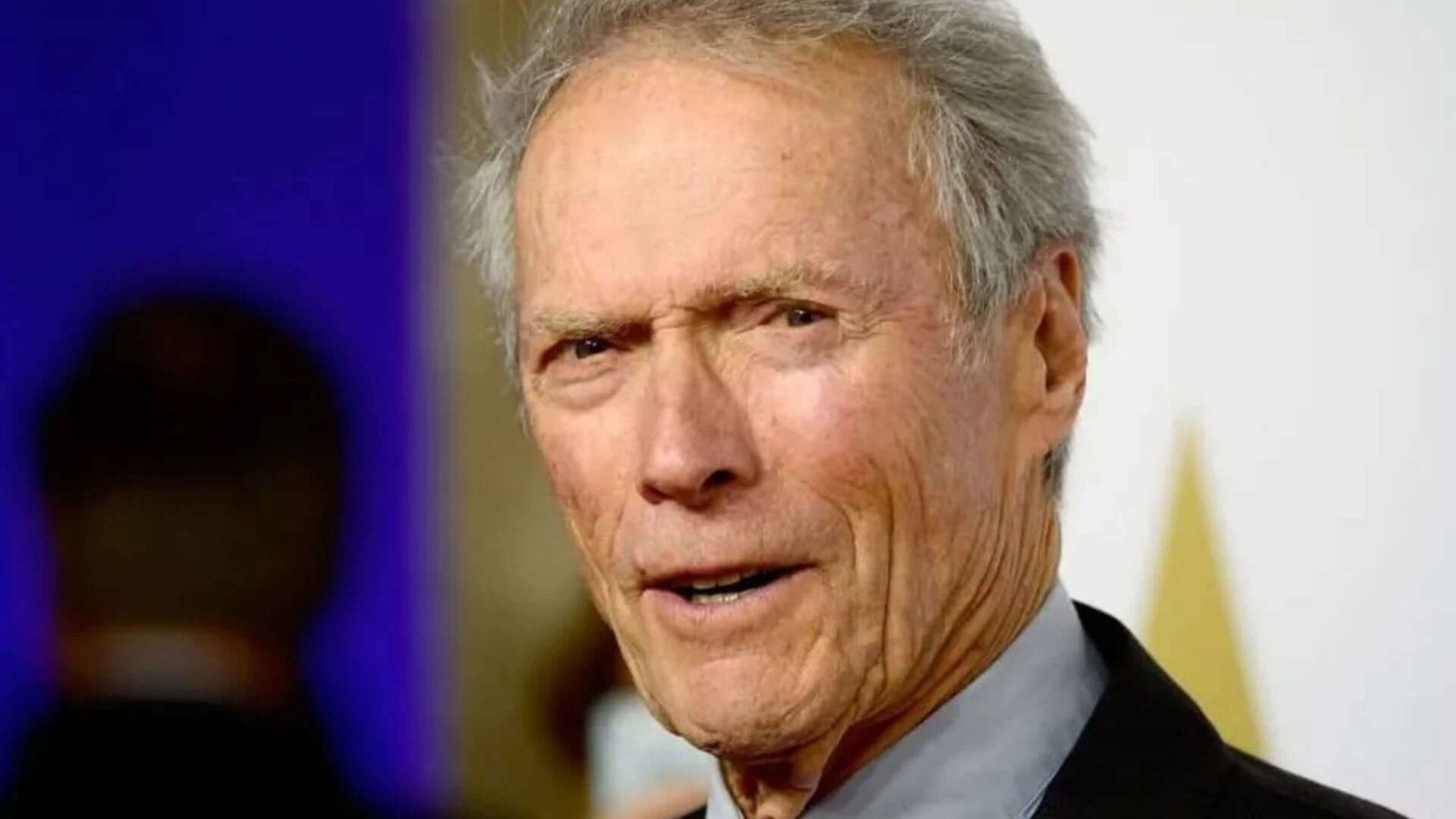
From redefining the Western genre to becoming an Oscar-winning filmmaker, Eastwood has built one of cinema’s most enduring careers.Image credit (Instagram)
The line operates on multiple levels simultaneously, which is why it has never left the cultural conversation in sixty years. On the surface, it is a simple statement of power. One person has the gun. The other person does the digging. The hierarchy is clear, immediate, and enforced by nothing more complicated than who is holding the weapon. In the world of the film, this is physical, literal, and absolute.But the line reaches further than the cemetery. The two categories Eastwood describes, those with loaded guns and those who dig, are a compressed version of one of the oldest and most uncomfortable observations about how the world actually works. Some people are in a position to dictate the terms. Others operate within terms that have been dictated to them. The man with the loaded gun does not necessarily have more talent, more intelligence, or more moral authority than the man doing the digging. He simply has the gun. He has the leverage. He has arrived at the moment with something the other person needs, or fears, and that asymmetry is the whole of his power.What makes the line so memorable is its tone. The Man with No Name does not deliver it with cruelty or triumph. He delivers it with the quiet, almost bored certainty of someone stating a fact about the weather. It is the confidence of a man who has never needed to raise his voice because he has already won before the other person realises the game has ended. That calm, that absolute economy of expression, became the template for a kind of screen presence that Eastwood virtually invented and that has never been replicated with quite the same authority.The line also carries a structural irony that Leone built into the entire film. Tuco digs because he has no choice. But it was also Tuco who, throughout the film, survived everything, adapted to everything, and outlasted nearly every obstacle placed in front of him. He is not digging because he is weak. He is digging because, in this single moment, the gun is pointed at him. The categories are not permanent. They shift. And the film knows it.
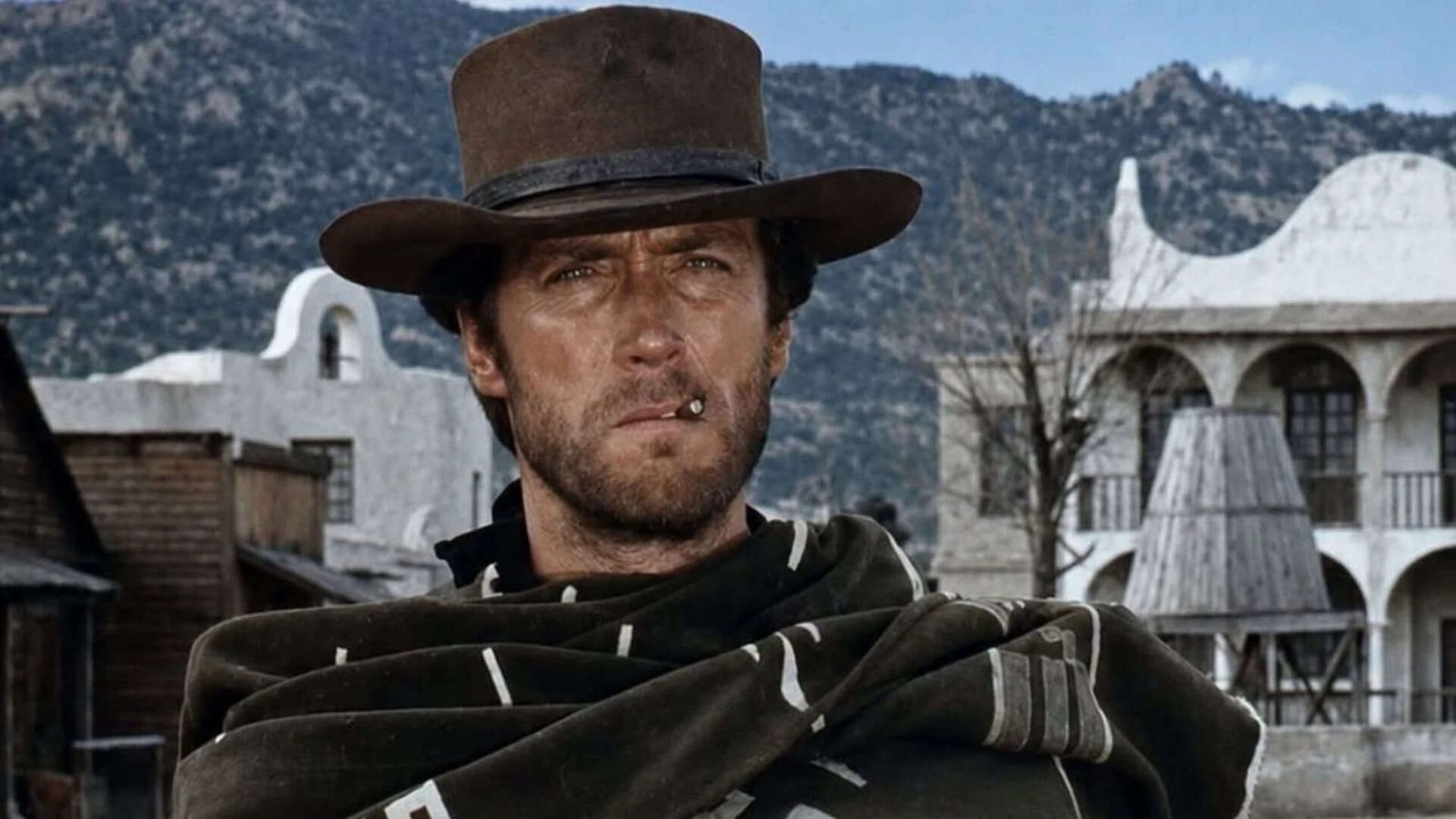
Clint Eastwood delivered the iconic “loaded guns and those who dig” dialogue as the Man with No Name in Sergio Leone’s 1966 classic The Good, the Bad and the Ugly.Image credit (Instagram)
Early life of Clint Eastwood
Clinton Eastwood Jr. was born on May 31, 1930, in San Francisco, California. He grew up across several cities in California as his family moved frequently during the Great Depression, according to IMDb. He worked odd jobs, including lifeguard, paper carrier, and golf caddy, before the United States Army drafted him in 1951. After his discharge, he studied business at Los Angeles City College before a chance encounter with a casting director changed the direction of his life.His early career consisted of small television roles before he was cast as Rowdy Yates in the Western television series ‘Rawhide,’ which ran from 1959 to 1965 and gave him both the exposure and the screen presence he would need for what came next. Sergio Leone cast him as the Man with No Name in ‘A Fistful of Dollars’ in 1964, and the Dollars Trilogy, which concluded with ‘The Good, the Bad and the Ugly’ in 1966, made him one of the most recognisable faces on the planet.
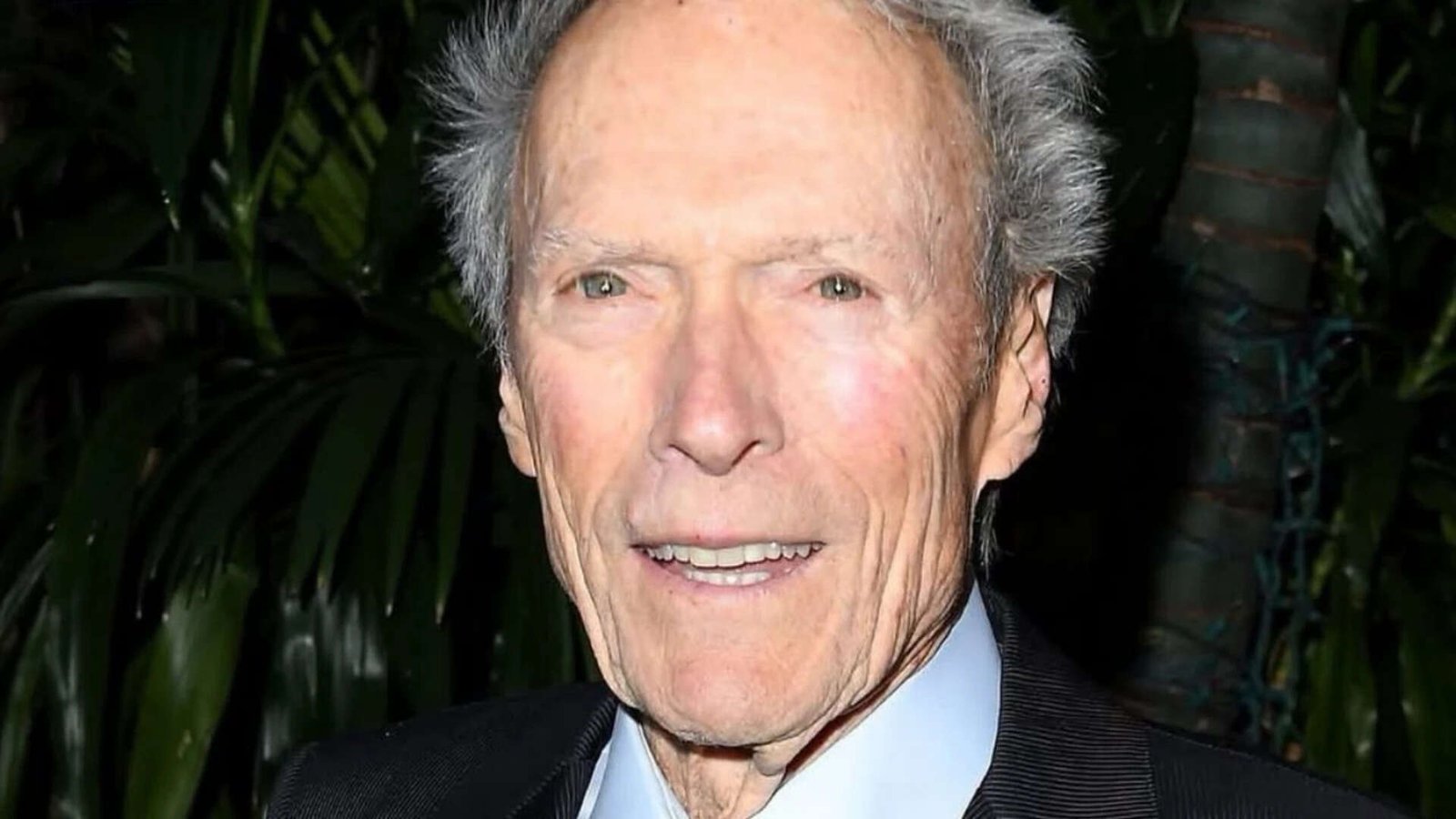
The film’s legendary cemetery showdown cemented Clint Eastwood’s Man with No Name as one of cinema’s most iconic characters.Image credit (Instagram)
Clint Eastwood: The journey to fame
What followed was one of the most sustained and varied careers in the history of American cinema. As an actor, he defined the anti-hero with ‘Dirty Harry’ and its sequels, delivered one of his finest performances in ‘Unforgiven,’ and moved seamlessly between genre work and intimate drama across six decades. As a director, he won the Academy Award for Best Director twice, for ‘Unforgiven’ in 1993 and ‘Million Dollar Baby’ in 2004. His 40th and reportedly final film as director, ‘Juror No. 2,’ was released in 2024 to strong reviews, according to the San Jose Mercury News.
Is Clint Eastwood retiring?
He is the only actor in history to have starred in a box-office number one film in six consecutive decades, according to The Cinema Holic. Currently 96, he has directed forty films and starred in dozens more. In early June, his son Kyle Eastwood told French publication France Info that his father had retired, saying, “Now he’s retired, he’s 95 years old. But I was very lucky to be able to work with him on quite a few films,” according to Consequence. The news spread instantly. And then, just days later, his other son Scott told ScreenRant that he had not heard the word retirement from his father’s own mouth at all, adding simply, “We’ll see.” Whether or not the credits have finally rolled, the man delivered enough in one lifetime to fill ten careers.