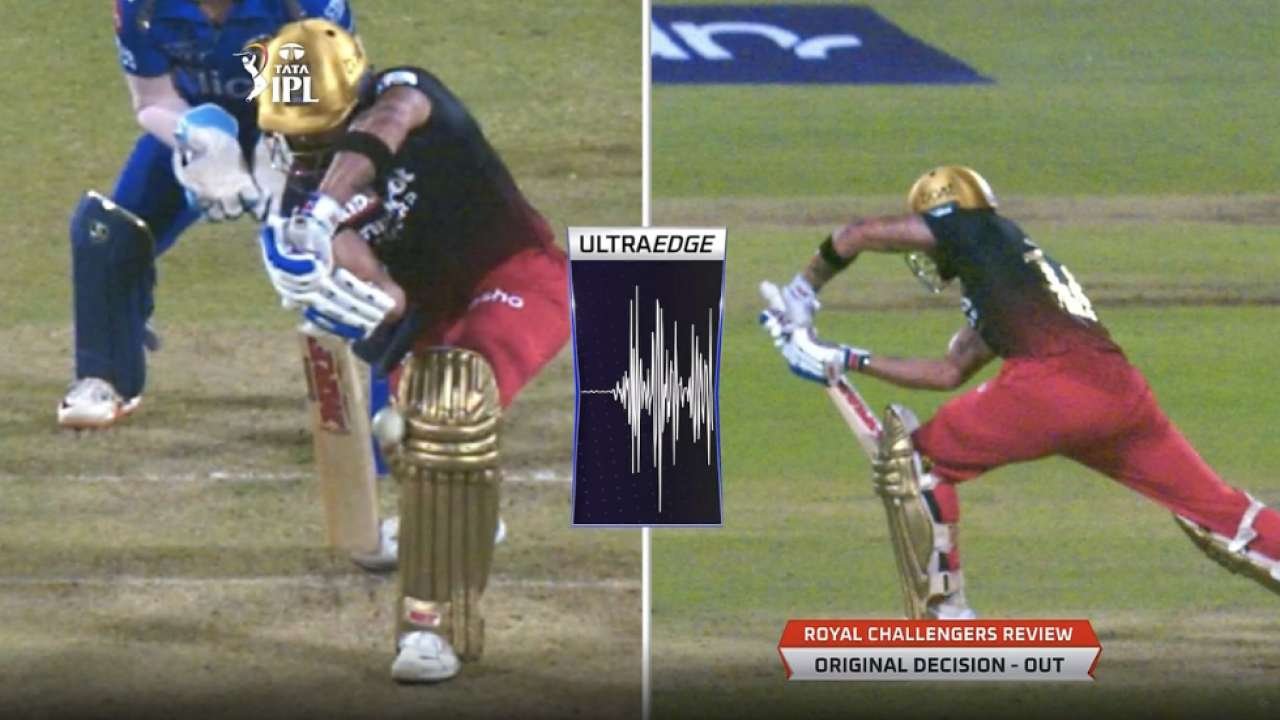
The LBW rule stands for Leg Before Wicket. It is one of the most common ways a batter can get out in cricket. The rule stops a batter from using their legs to block the ball when it would have gone on to hit the stumps.
An LBW decision is made only if several conditions are met. Because of this, umpires must carefully judge where the ball pitched, where it hit the batter, and whether it would have hit the stumps. In international cricket, players can also use the Decision Review System (DRS) to challenge an LBW decision.
How Does the LBW Rule Work?
A batter can be given out LBW if the ball is delivered legally and hits the batter’s pad or body instead of the bat. The umpire then checks whether the ball pitched in line with the stumps or outside the off stump, whether it hit the batter in line with the stumps, and whether the ball would have gone on to hit the wickets.
If the ball pitches outside the leg stump, the batter cannot be out LBW. Also, if the batter clearly hits the ball with the bat before it touches the pad, they cannot be given out LBW. LBW decisions often happen when bowlers bowl straight deliveries, yorkers, or balls that move back into the batter. Fast bowlers and spinners both use this method to dismiss batters.
For example, if a fast bowler bowls a straight ball that strikes the batter’s front pad directly in front of the stumps and the ball would have hit the wickets, the umpire can give the batter out LBW. However, if the ball pitches outside the leg stump or the batter edges the ball with the bat first, the batter will be not out. These rules make LBW one of the most interesting and closely watched decisions in cricket.
LBW Rule Explained
| Rule | Explanation |
|---|---|
| Full Form | Leg Before Wicket (LBW) |
| Main Purpose | Prevents a batter from blocking the ball with their leg instead of the bat |
| Ball Must Be | A legal delivery (not a no-ball) |
| Ball Can Pitch | In line with the stumps or outside the off stump |
| Ball Cannot Pitch | Outside the leg stump |
| Ball Hits | The batter’s pad or body before reaching the stumps |
| Bat First? | If the batter hits the ball with the bat first, they are usually not out LBW |
| Ball’s Path | The umpire must believe the ball would have hit the stumps |
| DRS | Players can review an LBW decision using the Decision Review System |