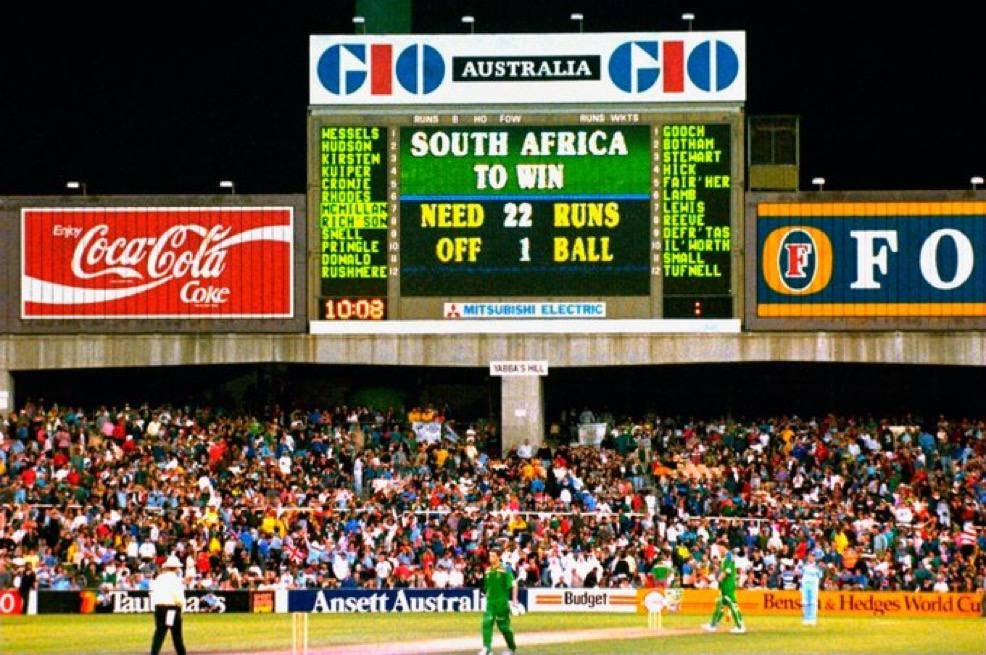
The Duckworth-Lewis-Stern (DLS) Method is a rule used in cricket to decide a fair result when a match is interrupted by rain or bad weather. It is mainly used in One Day Internationals (ODIs) and T20 matches. When the game is shortened, the DLS method changes the target for the team batting second so that both teams have an equal chance of winning.
The method looks at two important things: the number of overs remaining and the number of wickets left. A team with more overs and more wickets has a better chance of scoring runs, so the revised target is based on these factors. The official calculation is done using a computer, which is why the target can sometimes seem different from what fans expect.
Why Is the DLS Method Important?
Rain can stop play at any stage of a match. If the chasing team loses overs because of bad weather, it has less time to reach the target. Simply reducing the target by the number of overs would not always be fair. The DLS method solves this problem by considering both the overs left and the wickets still available.
This system is widely accepted because it gives a balanced result in rain-affected matches. It is used in international cricket, the IPL, and many other domestic tournaments. Although the calculation is complex, players, umpires, and fans trust the official DLS score announced during the match.
How Does the DLS Method Work?
The DLS method uses a mathematical formula to compare the resources available to both teams. In cricket, a team’s resources are its remaining overs and wickets in hand. If rain reduces the number of overs, the available resources also change, and the target is adjusted accordingly.
For example, if Team A scores 250 runs in 50 overs and rain reduces Team B’s chase to 40 overs, the target is not simply reduced by 10 overs. Instead, the DLS method calculates a new score based on the overs remaining and wickets available. This helps ensure that neither team gains an unfair advantage because of the weather.
Today, the Duckworth-Lewis-Stern Method is an important part of limited-overs cricket. It has helped decide the results of many famous matches around the world and continues to provide the fairest possible outcome whenever rain interrupts play.
DLS Method at a Glance
| Feature | Details |
|---|---|
| Full Name | Duckworth-Lewis-Stern Method |
| Used In | ODI and T20 cricket |
| Purpose | Sets a fair target after rain or interruptions |
| Based On | Overs remaining and wickets in hand |
| Introduced | Duckworth-Lewis in 1997, updated to DLS in 2014 |
| Used By | ICC in international matches and major tournaments |
Simple Example
| Match Situation | Result |
|---|---|
| Team A scores | 250 runs in 50 overs |
| Rain interrupts Team B’s chase | After 20 overs |
| Overs reduced | From 50 to 40 overs |
| New DLS target | Example: 230 runs in 40 overs (official calculation) |