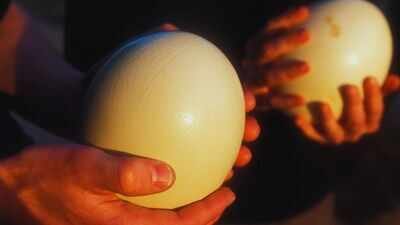
Brown versus white eggs is a debate that has been around for decades, with a lot of people believing that brown eggs are more healthy or more “natural.” In fact, the colour of an eggshell has little to do with what’s inside. But nature has a much more colourful story to tell. Chickens generally lay white or brown eggs but around the world birds produce eggs in astonishing shades of blue, turquoise, olive green, pink, cream, chocolate brown and even eggs spattered with elaborate speckles, streaks and blotches. Some are like polished gems and others like miniature works of art. So why are chicken eggs typically white or brown? And what accounts for the spectacular palette shown by the bird kingdom?It’s all about colour in eggshell pigmentThe shell of an egg is primarily made of calcium carbonate. Calcium carbonate is naturally white, if left to its own devices. The colours don’t appear until pigments are deposited on the shell as it passes through the bird’s shell gland (also known as the uterus) in the last few hours before laying. Scientists have identified two main pigments responsible for most eggshell colours: Protoporphyrin IX – is responsible for chocolate, rust coloured and reddish brown eggs. Biliverdin IXα – blue and green egg colour. By using these pigments in varying amounts and at different times, a marvellous variation of shades and patterns can be obtained.
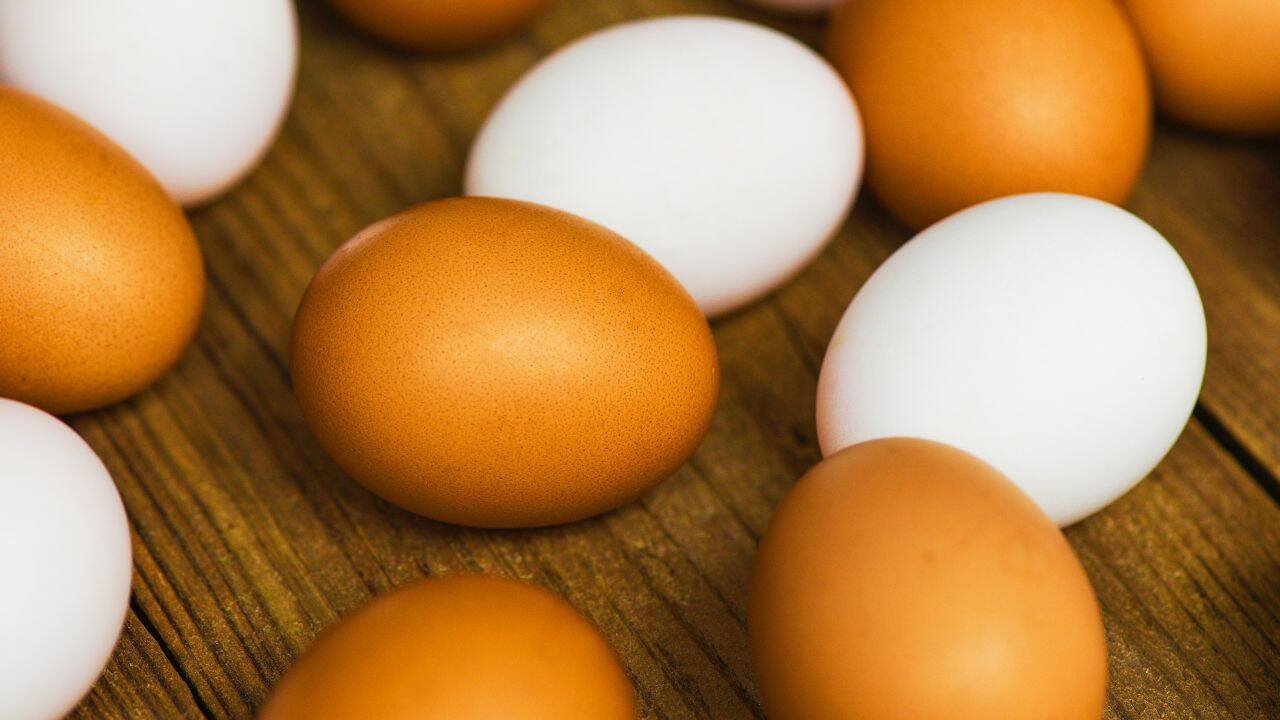
Scientists have identified two main pigments responsible for most eggshell colours-(Canva)
Why Are Chicken Eggs Brown or White?Biggest factor is genetics, breed of chicken. For example:
- White Leghorns produce white eggs.
- Rhode Island Reds are brown egg layers.
- Plymouth Rocks: light brown eggs.
- Marans are famous for their dark brown, chocolate coloured eggs.
- Araucanas and Ameraucanas lay naturally blue eggs.
- Olive Eggers lay green eggs because genes for blue shells mix with brown pigments.
Interestingly, egg colour is not determined by the colour of the feathers of a hen. But farmers often look to another clue: earlobes. Generally (but not invariably)-White earlobes on chickens usually indicate white eggs and red earlobe chickens tend to be brown egg layers. There are exceptions so this is not a hard and fast rule.
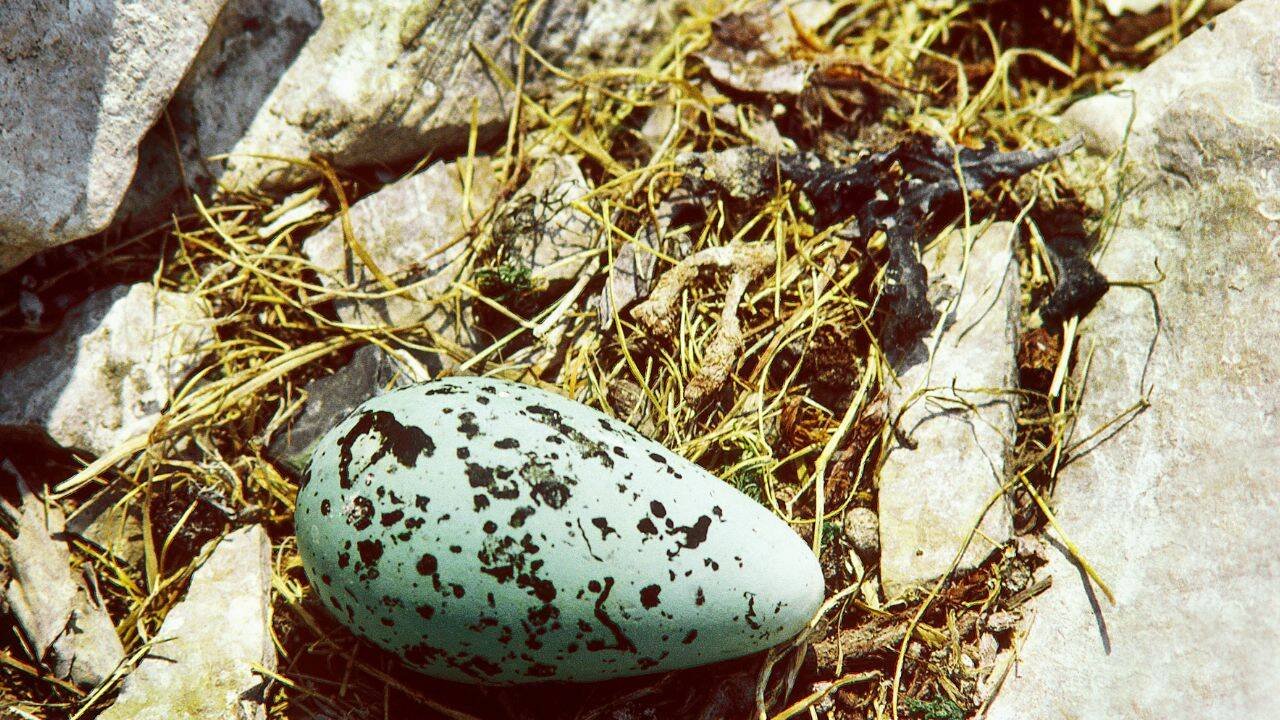
Nature is filled with eggs in different colours (Canva)
Is brown egg better than white egg?No. The colour of the shell has almost no effect on the nutritional value, according to many studies. Brown & White eggs have similar amounts of protein, good fat, vitamins minerals and cholesterol. Nutrition is so much more affected by what the bird eats, its living circumstances, age, breeds and whether it’s pasture raised or conventionally raised. Brown eggs are often more expensive because the hens that produce them are generally larger and consume more feed.Why don’t chickens lay red or purple or black eggs?The answer is evolution and chemistry. Birds have developed only a few shell pigments. Of course, the biochemical pathways produce brown (protoporphyrin) and blue-green (biliverdin) pigments. When these pigments are mixed together, they create olive, green or greyish hues. Birds don’t have natural pigments to make bright purple, red or black shells. Some eggs may appear almost black from a distance due to very dense brown pigmentation, but are actually very dark brown .
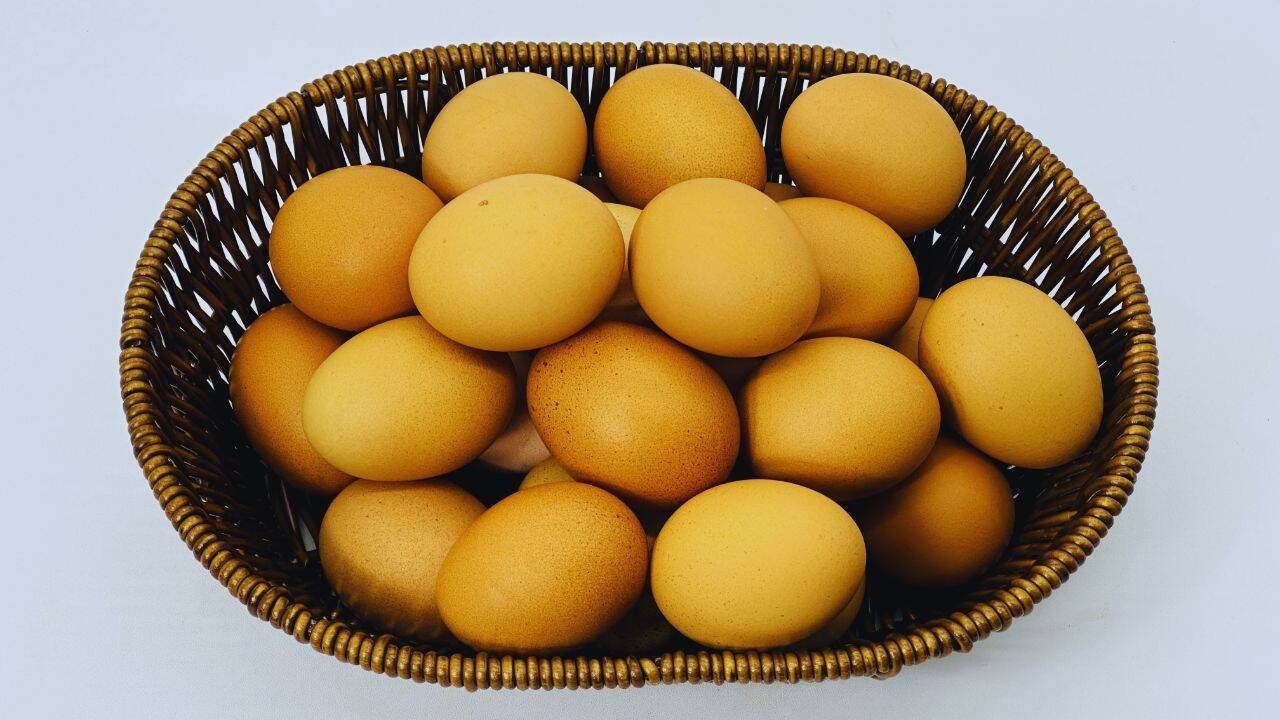
Egg colour is not determined by the colour of the feathers of a hen (Canva)
Why are wild bird eggs so many different colours?Wild birds have many more survival challenges than domestic chickens do. Egg colour has a number of important functions. CamouflageMany birds nest on the ground, and camouflaging is crucial. Plover, lapwing and nightjar species lay beautiful speckled eggs that blend in almost perfectly with stones, sand and leaves. The nest would be readily visible to predators without any camouflage.Sun protectionDarker eggs absorb more heat, and studies have shown they are beneficial in colder climates. Blue-green pigments may also help to control exposure to ultraviolet radiation. Scientists are still working to determine how climate has influenced eggshell colour around the world. A large global study in Nature Ecology & Evolution found that darker eggs are more common in colder regions because they warm up faster in the sun.More powerful roundsProtoporphyrin doesn’t just colour the shell. It is thought it may help strengthen weaker, thinner eggshells by plugging tiny weak points. That’s especially nice for birds that have to conserve calcium.Helping parents find their eggsSome birds produce eggs with unique speckled patterns, so that parents can recognise their own eggs. This is especially the case in the case of brood parasites. The intriguing battle against cuckoosOne of nature’s greatest evolutionary arms races has been that of the common cuckoo. The cuckoo doesn’t build its own nest but lays eggs in another bird’s nest. The unsuspecting foster parents usually end up raising the cuckoo chick. Cuckoo eggs have evolved to match the host bird’s eggs in colour and markings to improve their chances. Meanwhile the host birds continue to develop better abilities to spot imposters. Scientists have been intrigued by this evolutionary arms race for decades.
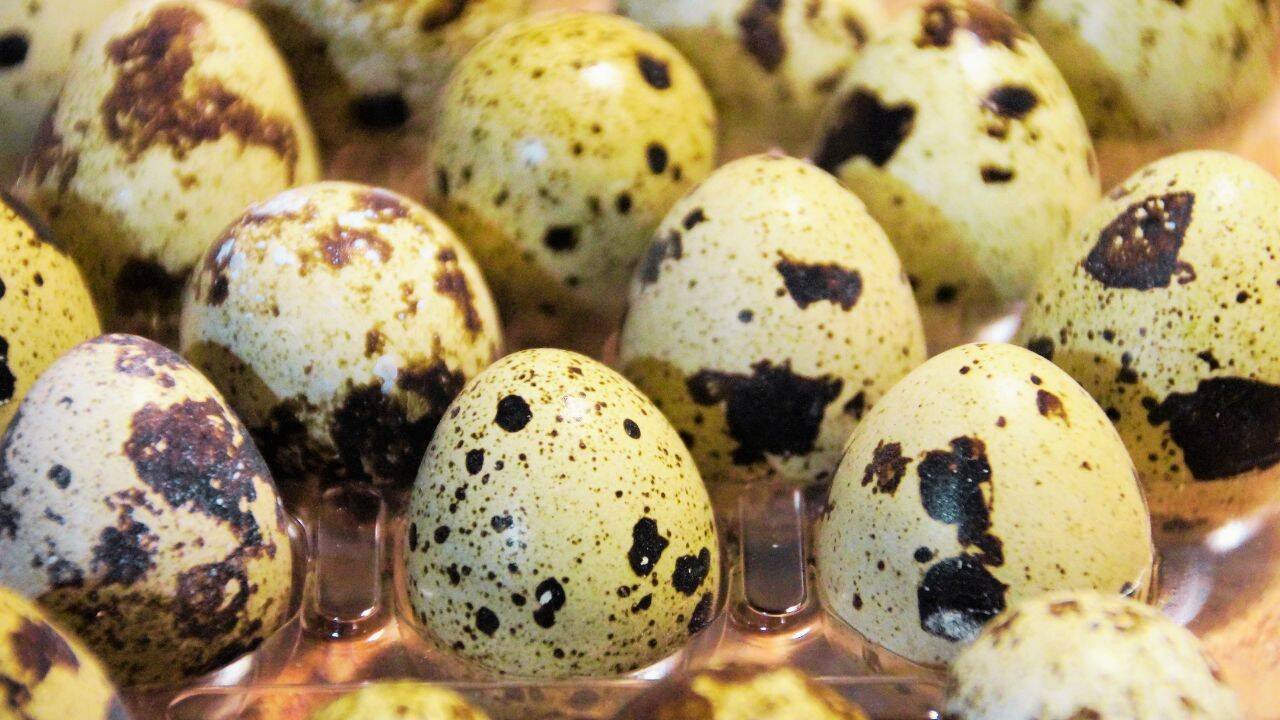
Many birds nest on the ground, and camouflaging is crucial (Canva)
Some of the most colourful bird eggs in the world:
- American Robin: It is one of the most famous eggs in the world due to its colour. The robin’s spectacular sky-blue eggs owe their colour almost entirely to biliverdin.
- Emu: The eggs of an emu are a dark, emerald green, so dark they look black. The colour is due to a thick layer of biliverdin.
- Cassowary (bird): Cassowaries lay some of the world’s most colourful eggs. Their eggs are vivid green.
- Great Tinamou: This bird, native to Central and South America, lays glossy, lavender to purple-looking eggs that look like porcelain shine. They look purple but the colour is caused by light reflecting off them, not by purple pigment.
- Japanese Quail: ach one of their cream-coloured eggs is individually decorated with dramatic chocolate speckles, blotches and swirls.
- Common Guillemot (Uria aalge): The seabirds lay eggs of extraordinary colours from blue and green to turquoise and white, covered in bold black scribbles. Each female lays eggs with very different patterns.
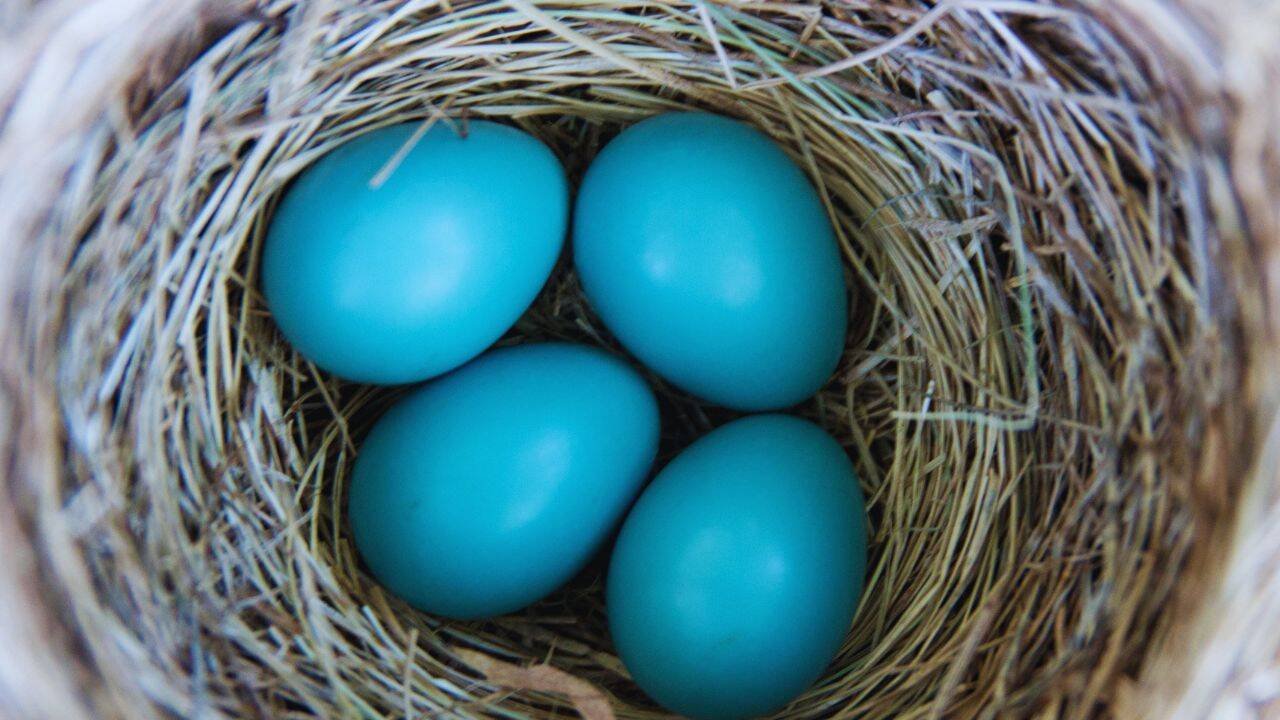
Robin eggs are the most unique (Canva)
Why do some eggs have brown spots?Spots occur when pigment is laid down unevenly late during shell formation. Scientists believe spotting may-strengthen thinner shell areas, increase camouflage, make individual “fingerprints” unique to each female, no two heavily spotted eggs are exactly similar.Does egg colour change?Yes, but just a little. The intensity of shell colour is affected by several things-age of the hen, stress, nutrition, disease and conditions of the environment. Older hens usually lay paler brown eggs , as they lay less pigment as they get older. But a brown-egg breed will not suddenly start laying white eggs.
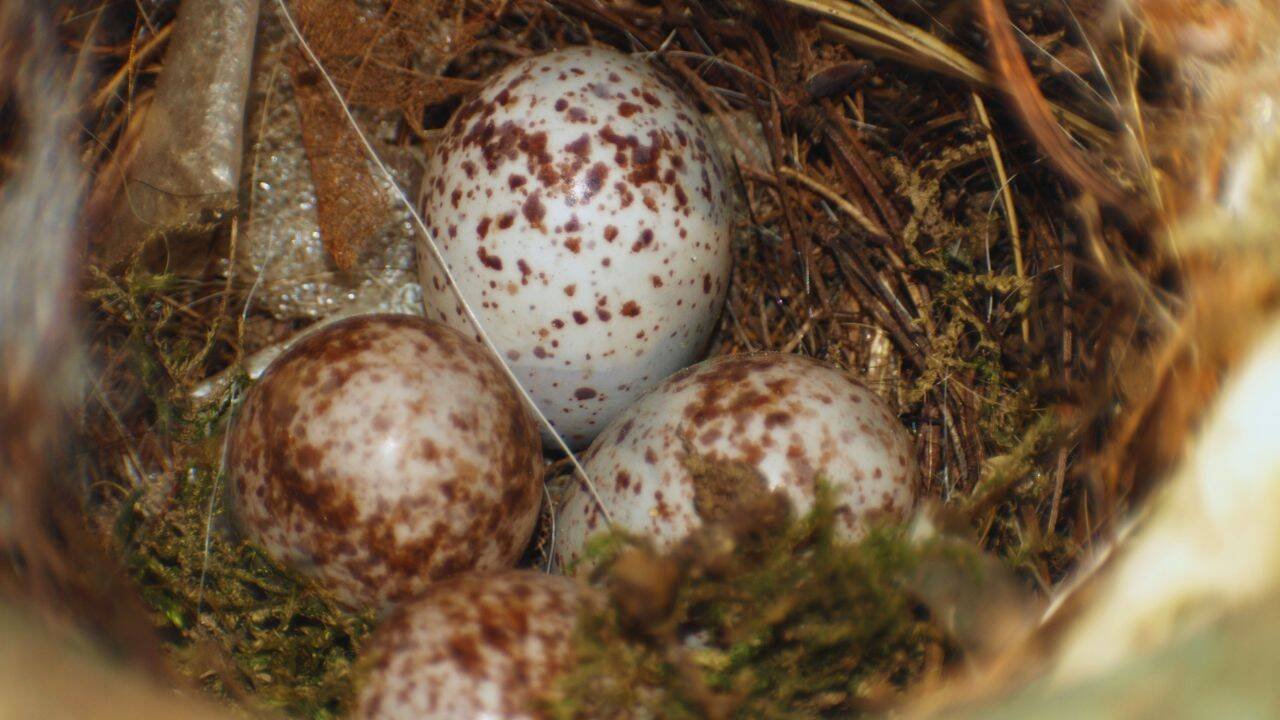
Some eggs are pigmented for a reason (Canva)
The bottom line:The next time you crack open a white or brown chicken egg, remember you’re looking at one tiny chapter in one of nature’s most colourful stories. Eggshell colour is no indicator of nutrition or quality, it is the result of millions of years of evolution, genetics and chemistry. Supermarket shelves may be filled with white and brown eggs but nature offers an amazing spectrum of blue robin eggs, emerald emu eggs, bright green cassowary eggs, shiny tinamou eggs and beautifully speckled quail eggs. These colours are far more than just decoration to birds. They can hide their nest from predators, protect developing embryos, reinforce fragile shells and even help parents spot imposters. Each shade, each spot, each streak, is a story of survival, evolved over millions of years.