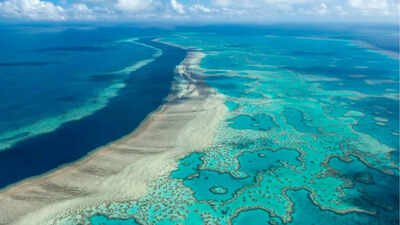
Scientists have completed the first comprehensive survey of the microscopic life living in the open waters of Australia’s Great Barrier Reef. They have uncovered hundreds of bacterial species which were not know previously and hundreds of thousands of viruses.The study which was published in the journal Nature, analysed DNA collected from seawater samples which were taken at 48 reefs across the world’s largest coral reef system. This has created the first large database of microbes living in the reef’s open waters. The database will help scientists understand what a healthy reef microbiome looks like and how it changes as the reef faces environmental pressures.The research was led by the University of Queensland and the Australian Institute of Marine Science (AIMS), with contributions from James Cook University, the University of Melbourne and the University of Tasmania.
What scientists found
The team identified 5,283 bacterial and archaeal genomes, representing 876 different species. Of these, 584 bacterial species had never been documented before.808,585 viral genomes which belonged to 362,802 different viruses, were also identified. In addition, complete chromosomes from Bathycoccus and Ostreococcus, the two most abundant microalgae found on the reef, have also been recovered.According to professor Philip Hugenholtz, a microbiologist at the University of Queensland and a senior author of the study, the work gives a starting point for understanding these hidden communities.“Now, we can start to explore what makes a healthy reef microbiome and how these invisible communities respond to changes on the Great Barrier Reef, such as bleaching, storms, sediment, fishing and other stresses,” he said, as quoted by Science X.Hugenholtz also said the large number of new discoveries was not unexpected because scientists continue to find new microbes wherever they look. However, he said he was surprised by the number of new bacterial species found. “This is just how huge the microbial world is,” he said.
Why microbes matter
Microbes are tiny living organisms that cannot be seen without a microscope, but they play an important role in keeping marine ecosystems functioning. According to Dr Yun Kit Yeoh, a senior research scientist at AIMS and senior author of the paper, these microorganisms form the foundation of life in the ocean.“Many of the microbes on the reef can photosynthesise, like plants, they can take light energy and can convert carbon dioxide into oxygen,” he told The Guardian.
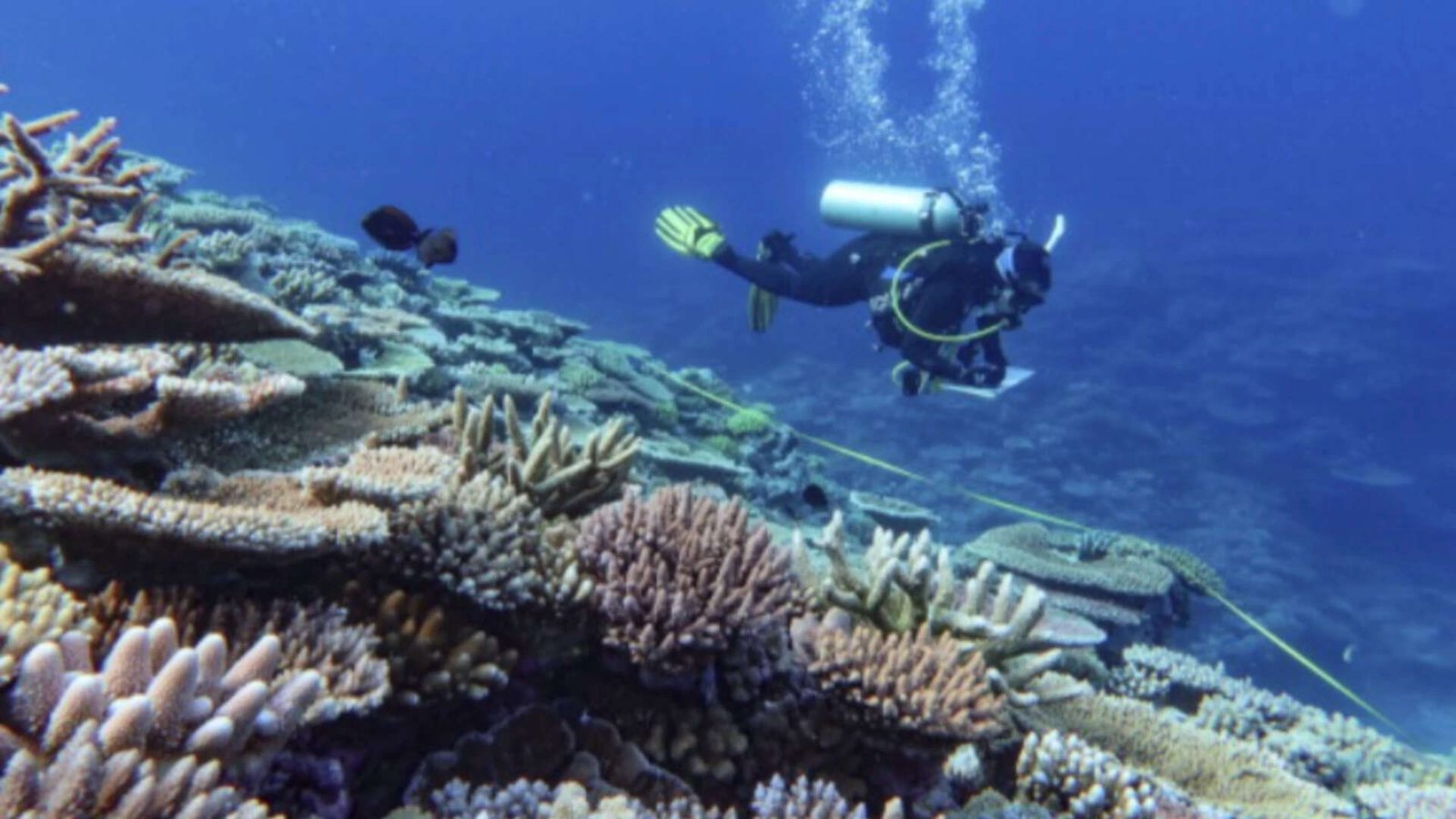
Researchers collected DNA directly from seawater and analysed it using metagenomics. (Representational photo)
Yeoh also said that these microbes are eaten by krill and other zooplankton, which are then consumed by larger marine animals, meaning microbes help support the food chain from the smallest coral polyps to the largest whales.“These microbes are important. Microalgae produce most of the oxygen we breathe and underpin food chains in the open oceans,” he said.Until recently, scientists could study only a small number of these microbes because many could not be grown in laboratories.“We haven’t been able to really study a lot of them except for a select few that we can grow properly in the lab on petri dishes,” Yeoh said.
New tech behind study
The project began more than five years ago and became possible because of advances in DNA sequencing and computing.Researchers collected DNA directly from seawater and analysed it using a method called metagenomics, instead of trying to grow microbes in a laboratory. A single drop of seawater can contain DNA from thousands of different microbes, making the process highly complex.Dr Steven Robbins, team lead at the University of Queensland and the study’s first author, says studying ocean microbes has always been difficult because seawater contains many closely related organisms mixed together. “The ocean likes to mix everything up,” he said, Science X quoted.He further explains that the researchers used long-read sequencing technology, which reads much longer pieces of DNA than older methods.“What was a puzzle with tens of thousands of pieces becomes a simple puzzle with far fewer pieces for the average microbial genome,” Robbins said.
Monitoring reef health
Scientists believe the new microbiome database could become an important tool for monitoring the Great Barrier Reef in the future.Yeoh said scientists can now begin studying how microbial communities change when reefs are affected by climate change, heat stress, coral bleaching, storms, fishing, sediment and other environmental pressures.He added that microbial communities often change before damage becomes visible, making them an early indicator of changes in the reef.Researchers also said microbes could help identify whether fishing has occurred in protected no-take zones or whether heavy metal contamination has affected an area.According to Hugenholtz, studying microbial communities may sometimes provide a cheaper way of detecting environmental changes than directly testing for pollutants.The discoveries also raise new questions. One of them is whether the newly identified bacterial species are unique to the Great Barrier Reef or whether they also exist in other reef ecosystems but have not been documented yet.The researchers have made the Great Barrier Reef Microbial Genomes Database publicly available so that scientists around the world can use it in future reef research.