
Blueberries, known for their deep blue to purple skin, are often called nature’s superfood. When it comes to taste, they offer a perfect balance between sweet and slightly tart. Ripe ones are juicy and mildly sweet, while less ripe berries can have a tangy, refreshing bite. Packed with antioxidants, vitamins C and K, and fiber, they are also low in calories. Mostly sold in frozen form, this superfood is often consumed for breakfast in the form of pancakes, smoothies, toast, and more. If experts are to believed, frozen ones are highly prone to bacterial growth. The U.S. Food & Drug Administration has announced a recall of frozen blueberries sold in eight states. Scroll down to read the details.
What did FDA say?
The U.S. Food & Drug Administration has announced a recall of frozen blueberries sold in eight states.that may be contaminated with Escherichia coli O145:H28 (E. coli O145). The report also states that Frutas y Hortalizas del Sur S.A.of San Carlos, Chile, is recalling its Frozen GreenWise Organic IQF Blueberries sold at Publix stores after 12 confirmed cases of E. coli infection were reported.
How to identify the recalled frozen blueberries
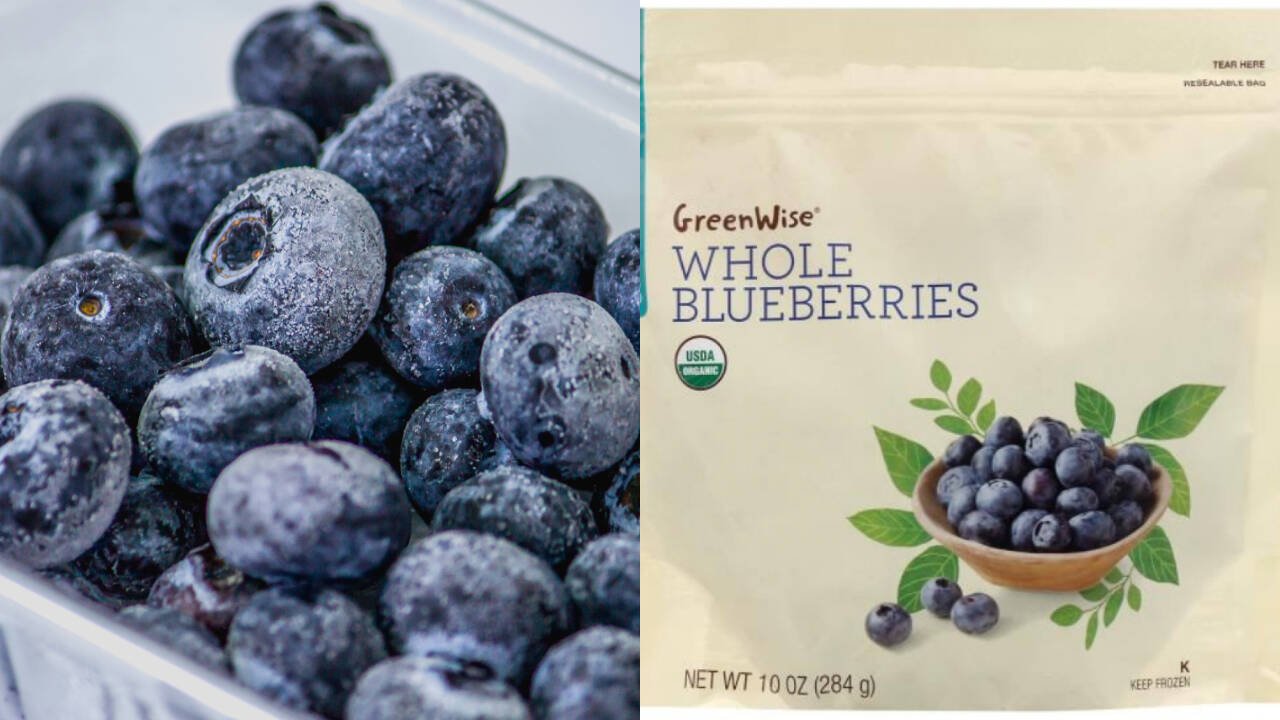
According to media reports, the recalled frozen blueberries were sold in 10-ounce bags labeled “Organic GreenWise Whole Blueberries.” Only the frozen blueberries with the lot code “60401” and best-by date of Feb. 9, 2028, on the packaging are impacted by this recall. The FDA has label images to help customers identify the contaminated berries on its site. The recalled frozen blueberries were sold at Publix stores only in Alabama, Florida, Georgia, Kentucky, North Carolina, South Carolina, Tennessee, and Virginia.
What to do with recalled frozen blueberries
It is suggested that one should not consume them. Instead, throw them away or return them to your Publix store for a full refund.
What does the study say?
According to the National Library of Medicine, regular or moderate intake of blueberries and/or anthocyanins helps reduce the risk of cardiovascular disease, death, and type 2 diabetes, and improves weight maintenance and neuroprotection. They also help improve blood vessel function and protect the brain. Clinical and observational studies show improved cholesterol, blood pressure and insulin sensitivity. Blueberries also positively impact gut bacteria and reduce inflammation which helps to prevent chronic diseases.
How to incorporate fresh blueberries into your daily diet

Toss into breakfast bowls: Toss a handful of fresh or frozen blueberries into your oats, muesli, chia pudding or Greek yogurt. They add natural sweetness, fiber and a boost of antioxidants to start your day on the right foot.Add to smoothies: They go well with bananas, spinach, almond milk or even protein powders. All you need to do is blend with other fruits and sip for an energy-boosting, skin-loving drink.Mix into pancakes or waffles: Another exotic way to enjoy blueberries is to stir them directly into your pancake or waffle batter or sprinkle them on top while cooking. They burst into sweet-tart pockets of flavor and make your breakfast feel extra special.