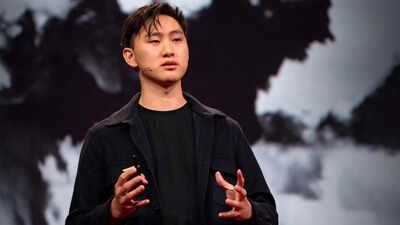
Meta has launched Muse Image, its first AI image generator built by Meta Superintelligence Labs, the dedicated AI unit run by Alexandr Wang. The release landed with a mix of research bragging rights and immediate controversy over a feature that lets users pull other people’s Instagram photos into AI-generated images. It’s Meta’s biggest image play yet in a race it spent much of last year losing to OpenAI and Google.But amid the launch noise, Wang—Meta’s chief AI officer and reportedly one of the company’s highest-paid hires—cut through with a simple pitch for getting the most out of the model: make it personal. In a thread on X, he told users to upload their own photos, @-mention friends, and pull from what’s trending, framing Muse Image as a tool built for everyday sharing rather than one-off novelty.
Wang says the model works best when you feed it your own life
“It’s personal,” Wang wrote, urging users to upload their own photos, tag friends, and draw on what’s currently trending. The goal is to move image generation out of the novelty bin and into stories, feeds, and group chats. Meta says the model powers 30-plus new AI effects on Instagram Stories and is live in WhatsApp direct chats with Meta AI.His other pitch is technical. Wang said he’s most excited about three things under the hood: self-refinement, where the model improves its own output within its chain of thought; multi-reference composition, which blends several images into one coherent generation; and multi-turn editing, which lets you refine a result over several rounds. Notably, Meta says the self-refinement behaviour wasn’t designed in—it emerged during reinforcement learning because it produced better images.
Meta’s catch-up play against OpenAI and Google
Muse Image is the second major release from Meta Superintelligence Labs after the Muse Spark language model debuted in April. It’s central to Zuckerberg’s costly bid to close the gap with OpenAI, Google, and Anthropic after Meta’s earlier Llama models fell behind. The model is agentic, pairing with Muse Spark to reason through a prompt, search the web, and plan before it generates.Meta’s own benchmarks put Muse Image ahead of Google’s Nano Banana 2 on single- and multi-image editing, while trailing OpenAI’s GPT Image 2. The model replaces Midjourney, the startup Meta had been paying to power its image features. Muse Image is free for “everyday creation,” with heavier use gated behind a Meta One subscription.
Instagram tagging feature raises privacy flags
The launch wasn’t all smooth. A feature that lets users pull a public Instagram account’s photos into a generated image—just by tagging that person—drew quick pushback over consent. The setting is opt-out by default, meaning your images can be used unless you actively disable it. Critics noted the pattern echoes past Meta privacy episodes, from Cambridge Analytica to its shuttered facial-recognition system.Muse Image is available now in the US via the Meta AI app, Instagram, and WhatsApp, with more countries and Meta products to follow. A Muse Video model is in active development.