For centuries, poets have been fixated on birdsong. They called it nature’s closest approximation to music. John Keats was obsessed with the nightingale’s ‘full-throated ease’, while Percy Bysshe Shelley imagined the skylark pouring forth an ‘unpremeditated art’ of ‘shrill delight’ from the heavens. William Wordsworth heard more than a call in the cuckoo; it was a ‘voice… heard far and wide’ that linked memory, landscape, and emotion. They all told us how pleasant birdsong was, and we have heard it ourselves. Researchers at the University of Tübingen decided to decode exactly what makes birdsong satisfying to human listeners. The findings of the study are published in the journal Frontiers.
What makes a bird’s song sound beautiful?
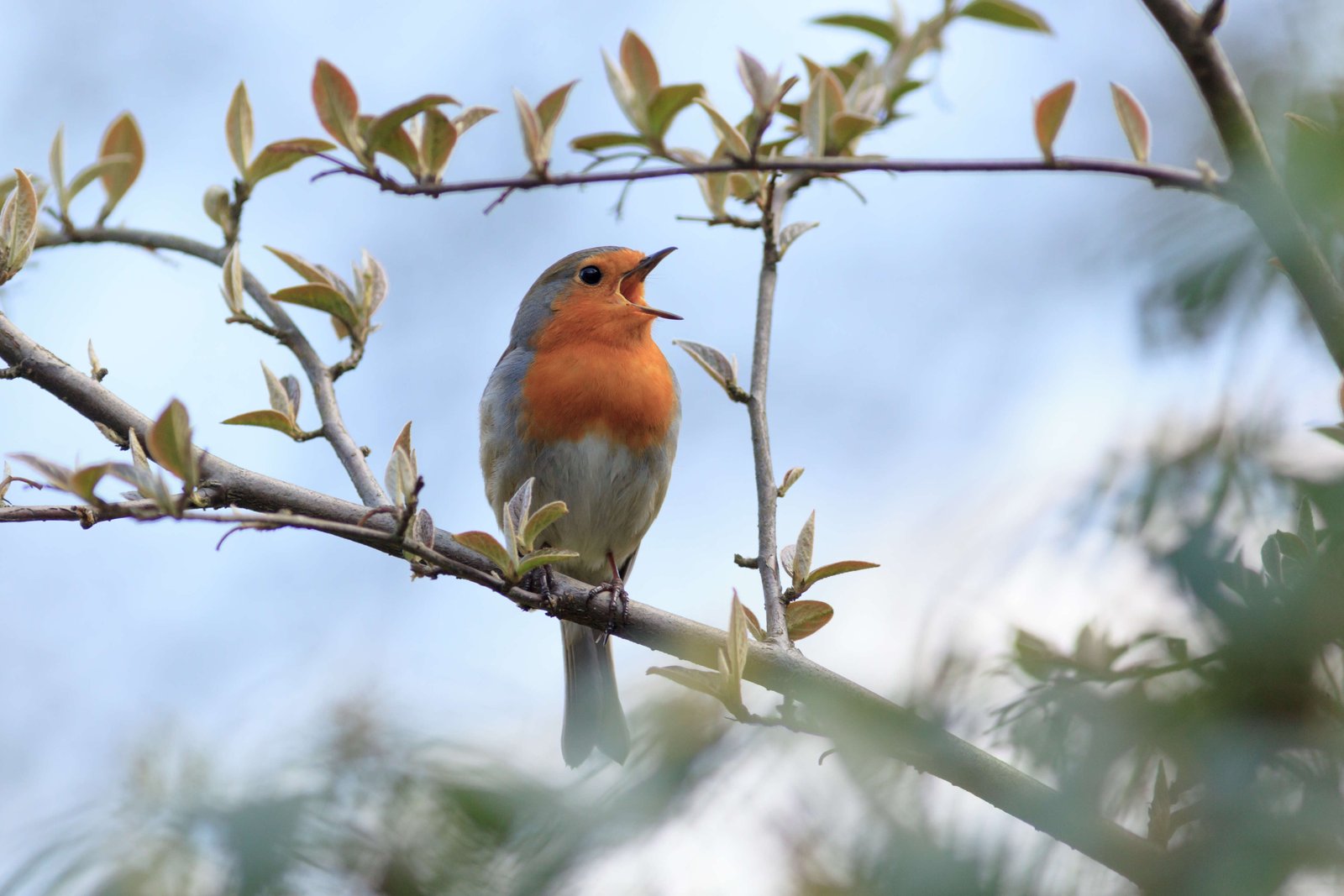
Most of us dream of waking up to beautiful birdsong. But what makes it pretty? Answering this question may help us understand how natural sounds help us relax. The answer has practical applications, such as improving parks, upgrading the design of stressful places like waiting rooms, and guiding conservation efforts towards protecting species that soothe us. To understand this, researchers asked ordinary people to listen to 123 different bird species and rate which ones actually sounded the most pleasant. The researchers compared these ratings with the birds’ acoustic features and identified what made some birdsongs more pleasant than others. People who liked birds more gave higher ratings; however, knowing more about birds did not affect how pleasant they found the songs.
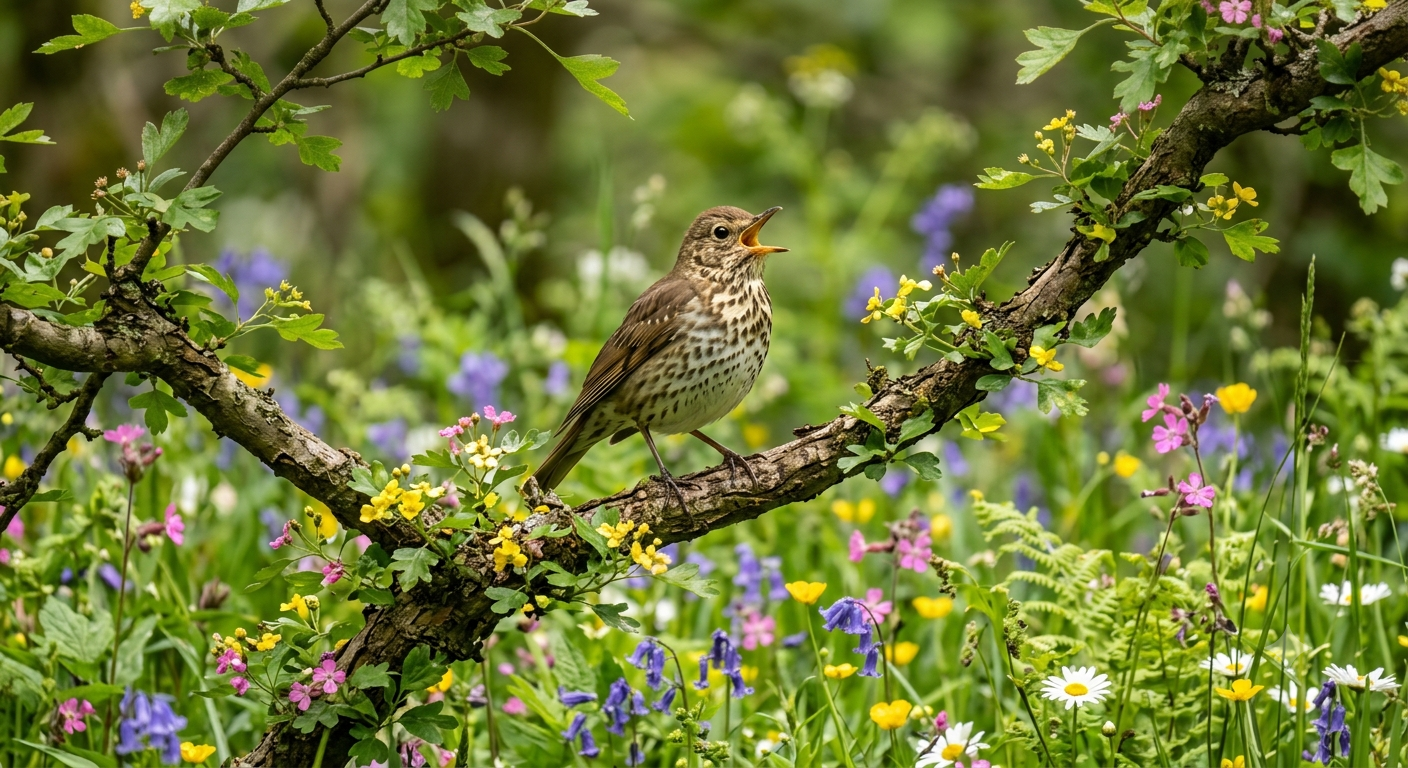
AI generated image
“You don’t have to be a ‘bird person’ to find bird sounds beautiful. Being able to recognise birds by their appearance or song did not affect how people rated calls. This suggests that enjoyment of birdsong is connected to something more fundamental than just knowing what you are listening to,” lead author Dr Nadine Kalb of the University of Tübingen, author of the article in Frontiers in Bird Science, said in a statement.
Why certain birdsongs are music to the ears
There is no doubt that pleasantness is a subjective, perceived measure, influenced by personal taste. The researchers suspected that certain acoustic characteristics, like a high amplitude, which is perceived as a loud noise, might lead to a lower pleasantness rating. However, they also suspected that some personal factors, such as knowledge about birds, would influence pleasantness ratings.“I have been a birder since I was 10, although at that age I didn’t know about ecosystem services or acoustic analyses. I’m very interested in human-bird relationships. Bird sounds are often considered one of the most enjoyable aspects of spending time in nature, and previous research has shown that they can contribute to psychological restoration and well-being. However, not all bird sounds are perceived equally positively,” Dr Christoph Randler of the University of Tübingen, senior author, explained.
The study
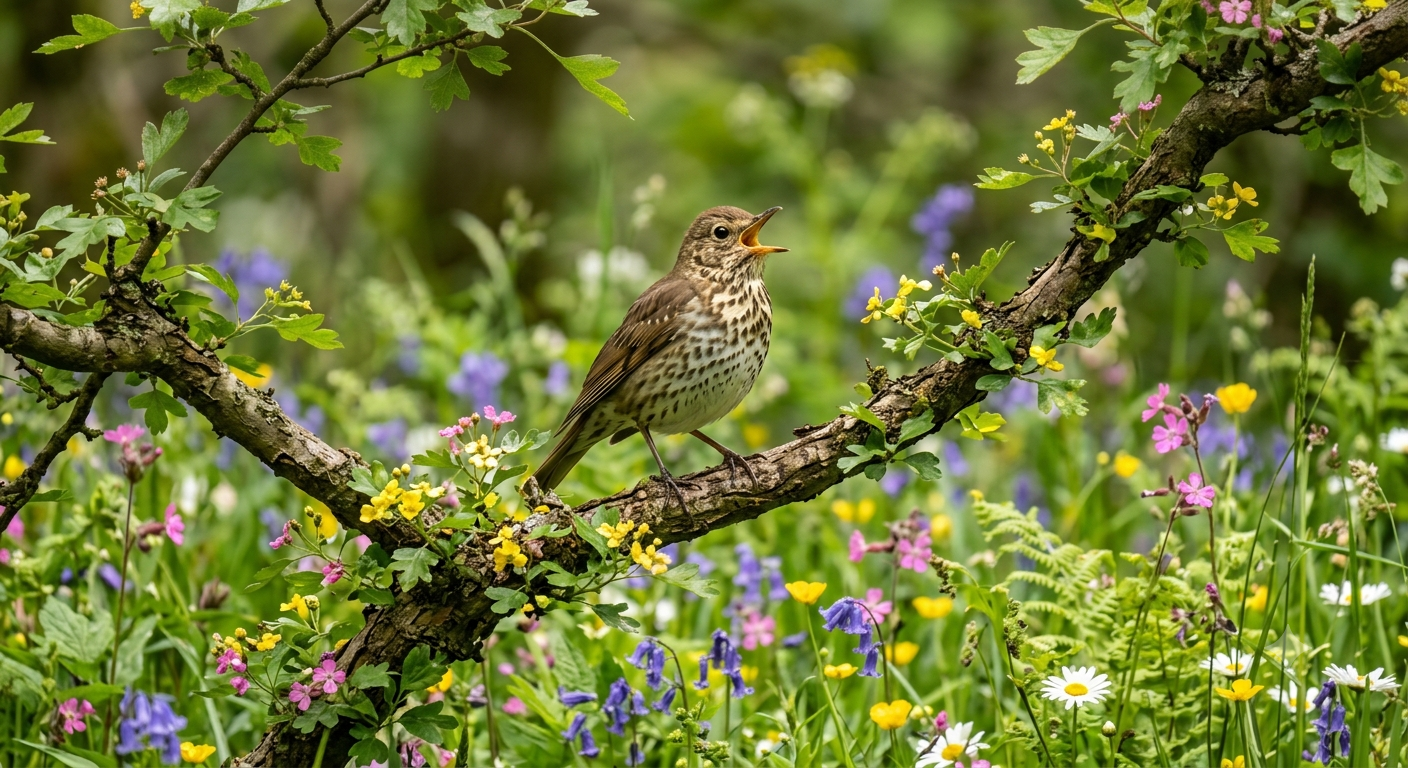
AI generated image
The researchers recruited 84 people for the study and played them short clips of 123 songs from wild birds commonly found throughout Germany. The participants were then asked to rate each clip on a scale from one to five; the higher the score, the more pleasant. They were also asked questions that helped the researchers understand their birding skills and their perception of birds.These clips were then analysed by the researchers. They measured various aspects of each song, such as amplitude, frequency, complexity, the number and variety of elements in a song, and bandwidth. They compared these with participants’ pleasantness scores for the songs and their pre-existing interest in birds.The researchers found 21 species that were also included in an earlier study on how restorative people found birdsong. They then compared the ratings from both studies.
Blackbirds reign while barn owls lose
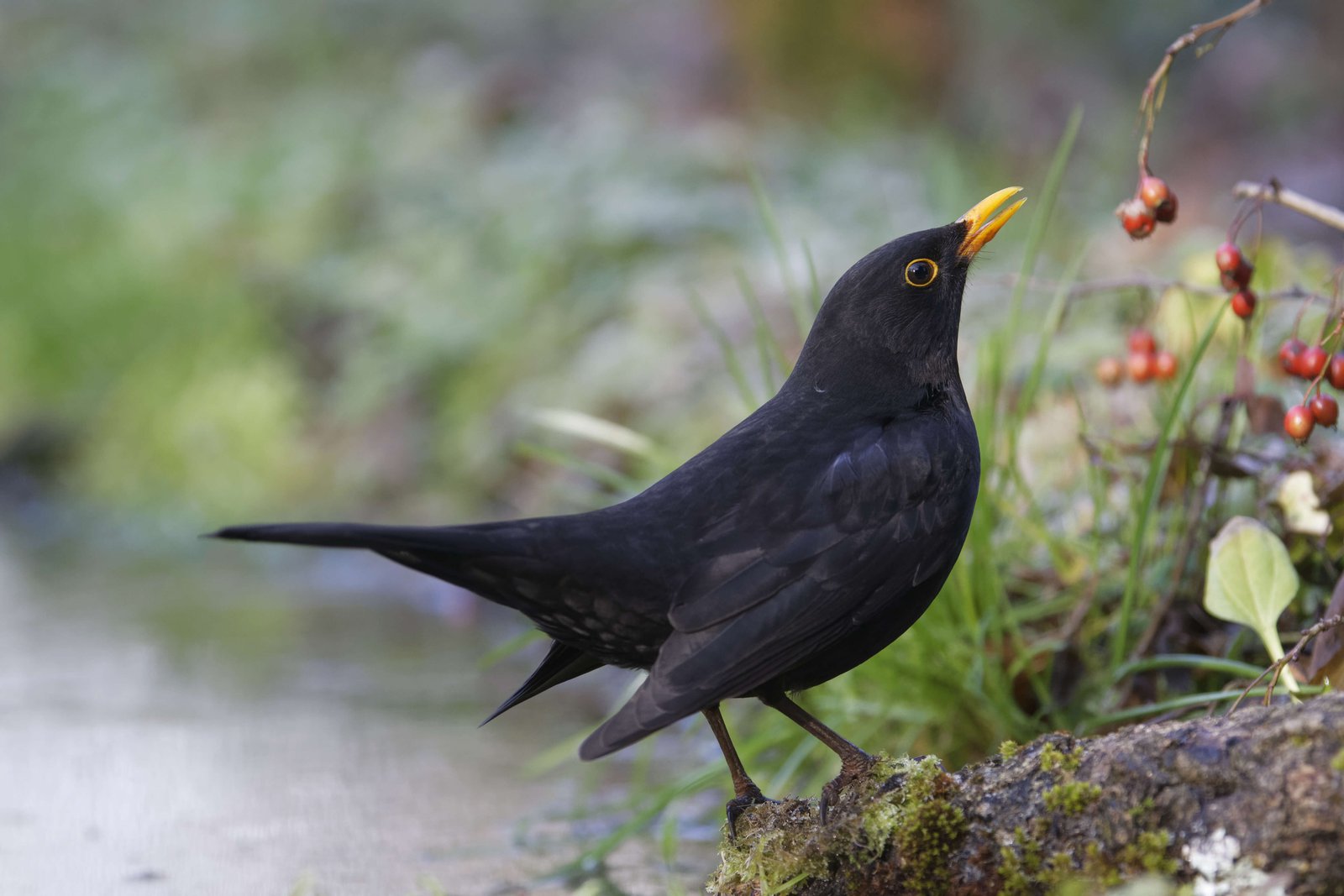
When researchers ranked species by pleasantness, blackbirds topped the list. Barn owls were considered the least pleasant. Interestingly, blackbirds’ songs were also considered highly restorative. They noticed that songs with a narrower bandwidth and greater complexity were perceived as more pleasant. So were songs with a higher frequency or a relatively low amplitude. The songs that had the highest scores also avoided a key frequency range where human hearing is highly sensitive. People who liked birds more gave higher ratings; however, their level of bird knowledge had no effect on ratings.“We might be wired to prefer more variable sounds with moderate amplitudes and frequencies because they signal a safe, healthy, and restorative environment where we can relax,” Kalb said.There were some limitations to the study. They didn’t measure call frequency, which is how often a species vocalises. This may influence pleasantness. The research team is planning larger studies across cultures and demographics, including more male participants and seasoned birdwatchers.“I would love to investigate how bird sounds influence people in real-world environments. I would also like to integrate ecological data, acoustic analyses, and psychological responses to understand how changes in biodiversity, like species loss, translate into changes in human experiences of nature. That would help us better understand the role that healthy ecosystems play in supporting both biodiversity and human well-being,” Randler concluded.Which birdsong do you find the sweetest? Let us know in the comments below.