Cricket has always thrived in places where history, empire and tradition planted its roots. England may have given the game life, but there is little doubt that India dominates its economics today. The sport will receive a new lease of life when it returns at the 2028 Olympic Games in Los Angeles. Its inclusion has also given Israel hope of emerging as a nation capable of competing with the big boys. The target is clear: qualify for the 2032 Olympics in Brisbane, and the planning has already begun.
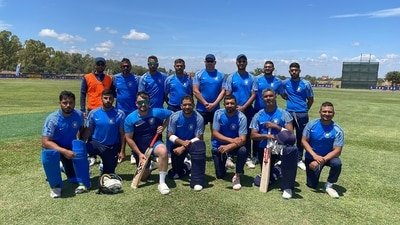
For many sports fans, the idea of cricket in Israel sounds almost improbable. The country is known for football, basketball and a thriving sporting culture centred on Olympic disciplines. Cricket rarely enters the conversation. There are no sold-out Test matches, no national heroes commanding billion-dollar endorsements, and no roaring crowds filling massive stadiums.
Yet cricket exists here quietly, persistently and against the odds. Its story is not one of trophies and headlines, but of migration, identity and an enduring love for a sport that generations refused to leave behind. Unlike many cricketing nations, Israel did not inherit the game through colonial rule. It arrived with people. Over the decades, immigrants from cricket-loving countries such as India, South Africa and Sri Lanka brought the game with them. For many newcomers, cricket represented more than entertainment; it was a connection to home. A discussion of cricket in Israel would not be complete without acknowledging the influence of South Asian communities. Indian expatriates, in particular, have played an important role in keeping cricket visible.
“Sri Lankan and Indian workers are coming to Israel. There are parts in Israel that play cricket; it’s people who came from South Africa and Australia, and historically, cricket in Israel has been around for a long time without any real direction toward professionalism, because most of the players are workers during the day, and they play around,” Yuval Viner, Business and Strategic Manager, Israeli Cricket Association, told Hindustan Times.
One of Israel’s biggest challenges has always been infrastructure. Unlike football pitches or basketball courts, cricket requires specialised facilities. Maintaining turf wickets, preparing quality playing surfaces and finding adequate space can be difficult in a country where land is scarce, and sporting priorities often lie elsewhere.
As a result, Israeli cricket has had to be resourceful. Players often travel long distances for matches, while volunteers take on multiple roles, serving simultaneously as administrators, coaches and groundskeepers.
“We don’t really have dedicated cricket grounds. What exists today would not be considered proper cricket infrastructure by international standards. But what we do have is a genuine love for the game. People want to play cricket, and its inclusion in the Olympics has created a window of opportunity for us. Through discussions with club owners across the country, we are trying to build on that momentum. At present, there are around 12 cricket clubs in Israel,” Yuval said.
“We have also made a significant effort to establish women’s teams. Most of the players currently involved are Sri Lankan workers living in Israel, but our aim is to broaden participation. In some cases, we have worked with construction company owners to form teams made up of their employees and integrate them into the league. We now have around 18 teams in total and are actively seeking sponsorship and investment within Israel. It’s challenging because cricket remains largely unfamiliar to most people here. For the sport to grow, the entire ecosystem needs to start functioning.”
Help from BCCI
Israel recognises the need for support from the BCCI, and Yuval made no bones that India is the undisputed powerhouse of world cricket. He believes backing from the Indian board would go a long way in helping Israel build a stronger cricketing ecosystem and take its first major steps in the sport. Former India cricketer and Mumbai captain Nilesh Kulkarni is also contributing to the growth of the game in the country as a member of Israel Cricket’s advisory board.
“India, as the holy grail of cricket, has a huge role to play through the BCCI. The board has already supported countries like Nepal and Afghanistan, and we’re hoping it can do something similar for Israel. Given the relationship between India and Israel, we want to build a bridge that brings Indian cricket closer to our country. The BCCI is the best partner we could ask for because it has shown a genuine commitment to helping emerging cricket nations grow. Just look at Nepal. Four or five years ago, they weren’t where they are today. Now they’ve made remarkable progress. We are still a long way from that level, but that’s the path we want to follow,” said Yuval.
“The strategic partnership between India and Israel has achieved historic milestones in areas such as defence, agriculture and technology. Today, as Israel looks to strengthen its cricket infrastructure and nurture the next generation of players – many of whom come from the Indian-Jewish diaspora – there is a unique opportunity to extend that partnership into the realm of sports diplomacy.”
Growth of the game
Israel has spent years attempting to climb the rankings and establish itself among emerging cricket nations. However, for developing cricket nations, success is often measured through smaller milestones. These achievements may not dominate headlines, but they are vital steps towards building a stronger future.
Israel Cricket is more than happy to welcome former cricketers to the country, believing their experience and expertise can play a crucial role in developing the sport and strengthening its cricketing ecosystem.
“Former players who have the needs and willingness to go to Israel and play for Israel. It’s more than welcome. We are trying, as well, to find Jewish. Oh, that will come and make Aliyah (Hebrew term for Jewish immigration to Israel).