
India’s relationship with pets is undergoing a profound transformation. Once viewed primarily as companions or watchdogs, pets today are increasingly regarded as family members, with owners embracing the identity of “pet parents.“This emotional shift is reshaping consumer spending, giving rise to a fast-growing industry that stretches far beyond pet food. From premium nutrition and advanced healthcare to insurance, grooming, boarding, technology and luxury accessories, spending on pets has become a significant part of household budgets, creating a multi-billion-rupee business opportunity.
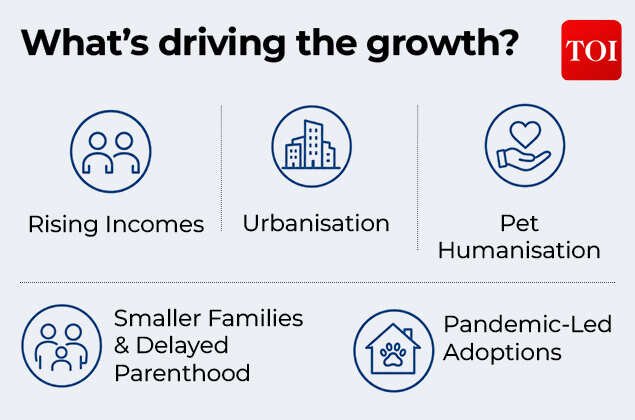
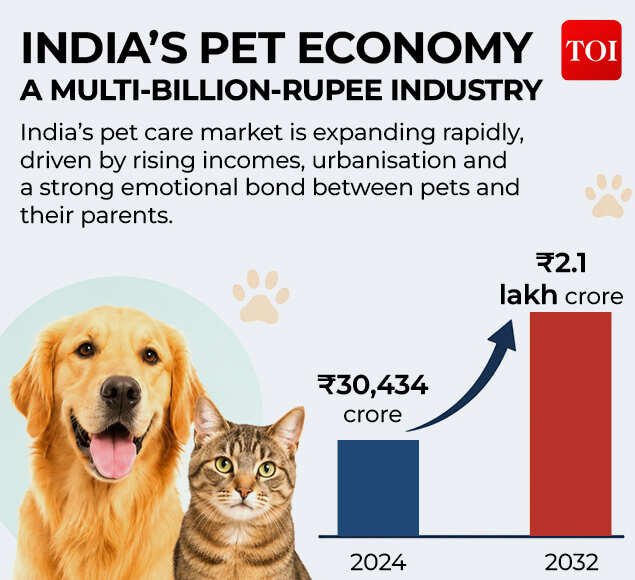
The Covid-19 pandemic further strengthened the human-animal bond, with many households bringing home pets during lockdowns.India’s pet-care industry, valued at Rs 30,434 crore ($3.6 billion) in 2024, is projected to grow nearly sevenfold to Rs 2.1 lakh crore ($24.8 billion) by 2032, driven by rising pet ownership, urbanisation and greater spending on companion animal health and wellness, as per IBEF data.
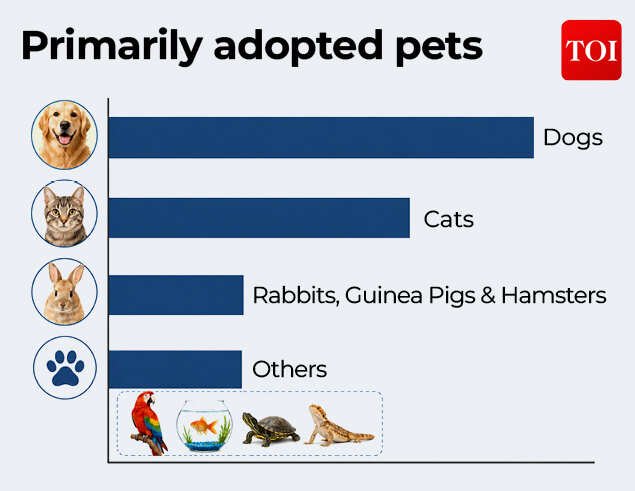
India’s expanding pet universe: Beyond canines and felines While dogs and cats continue to dominate India’s pet economy, veterinarians say the definition of a “pet family” is gradually expanding. As urban households embrace companion animals beyond traditional choices, clinics are witnessing a steady rise in the number of owners seeking professional healthcare and grooming services for smaller pets as well.This reflects a broader shift in pet ownership, where spending on animal care is no longer limited to dogs alone.According to DCC Animal Hospital, dogs account for nearly 60% of its customers, followed by cats at 30%. The remaining 10% comprises other companion animals, including rabbits, guinea pigs and hamsters.Birds such as budgies, and parrots, ornamental fish, turtles and even small reptiles are also finding a place in urban homes.
As ownership of these animals grows, demand is rising for specialised veterinary care, species-specific nutrition, grooming products and accessories, further expanding the scope of India’s pet-care economy.1. Premium food comes with premium costPet parents are increasingly choosing high-quality products such as grain-free meals, breed-specific formulas, freeze-dried treats, and fresh-cooked diets over conventional packaged food.“I spend around Rs 800 every month on dog food, which is a budget-friendly option. However, my veterinarian has advised switching to a different brand that comes at a significantly higher cost,” said Delhi-based pet parent Jyoti Jaiswal.
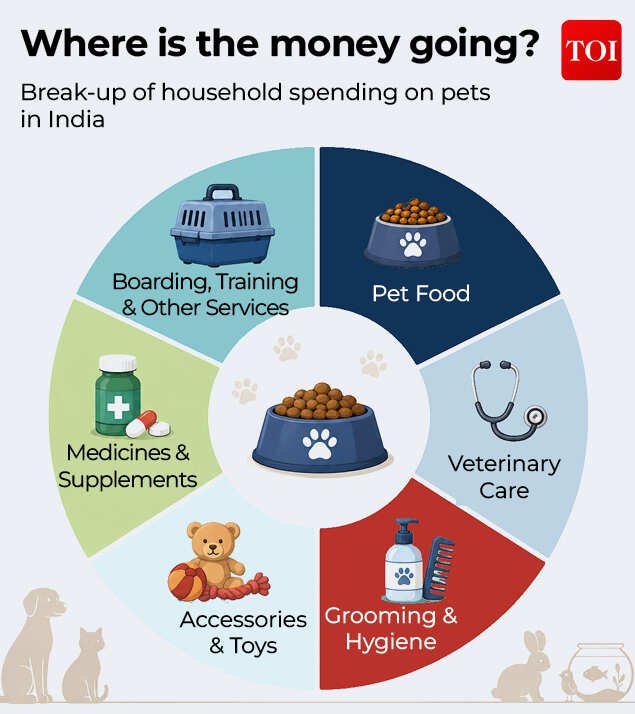
2. Pet grooming gains traction as owners prioritise preventive carePet grooming has emerged as one of the fastest-growing segments of India’s pet care industry, with owners increasingly opting for regular hygiene and wellness services rather than treating grooming as an occasional luxury.According to DCC Animal Hospital, Greater Kailash, grooming charges vary depending on the pet’s size and the services chosen.“A basic wash costs Rs 500 for small breeds, Rs 650 for medium breeds and Rs 800 for large breeds, while nail trimming and ear cleaning are priced at Rs 280 each,” informed the hospital.Adding to the food expense, Jyoti said that she spends around Rs 2,000 a year on grooming. “Grooming is essential especially during the summer months to prevent ticks,” she said.Other than the regular veterinary consultations including X-ray and blood diagnostic services, surgical facilities, hospitals and businesses offer day boarding and long-stay boarding for pets.3. Pet birthdays become a growing trendCelebrating pets’ birthdays has become increasingly popular, with many pet owners opting for customised cakes, treats, decorations and accessories to mark the occasion. The trend has created a niche market for pet bakeries, which are witnessing rising demand for celebration packages tailored to dogs and cats.Demand for pet celebration products has never been higher. According to PoochiesPie Pet Bakery in Pitampura, customers spend around Rs 1,000 on pet birthday celebrations, with many purchasing more than just a cake.“Customers usually order cupcakes and donuts as well, depending on their budget. Some also buy accessories along with the cakes,” Aanchal Sapra, the owner of bakery shop said.4. Pet healthcare costs continue to riseBeyond food and grooming, healthcare has become one of the biggest recurring expenses for pet owners, with spending increasing as more people opt for preventive care, diagnostic tests and specialised treatment.According to DCC Animal Hospital, Greater Kailash, the average cost of a routine visit to its clinic is around Rs 1,200, although the final bill depends on the diagnostics and services required.The hospital also noted that pet medicines have generally become more expensive in recent years.Annual healthcare expenses extend well beyond routine vaccinations. “I spend on three vaccinations every year, which cost around Rs 600 per injection, apart from deworming medicines and vitamin supplements,” said Jyoti. “Recently, an X-ray cost me around Rs 1,800, while my veterinarian also recommended tests such as LFT, KFT and CBC, each costing around Rs 2,000,” the pet owner added.
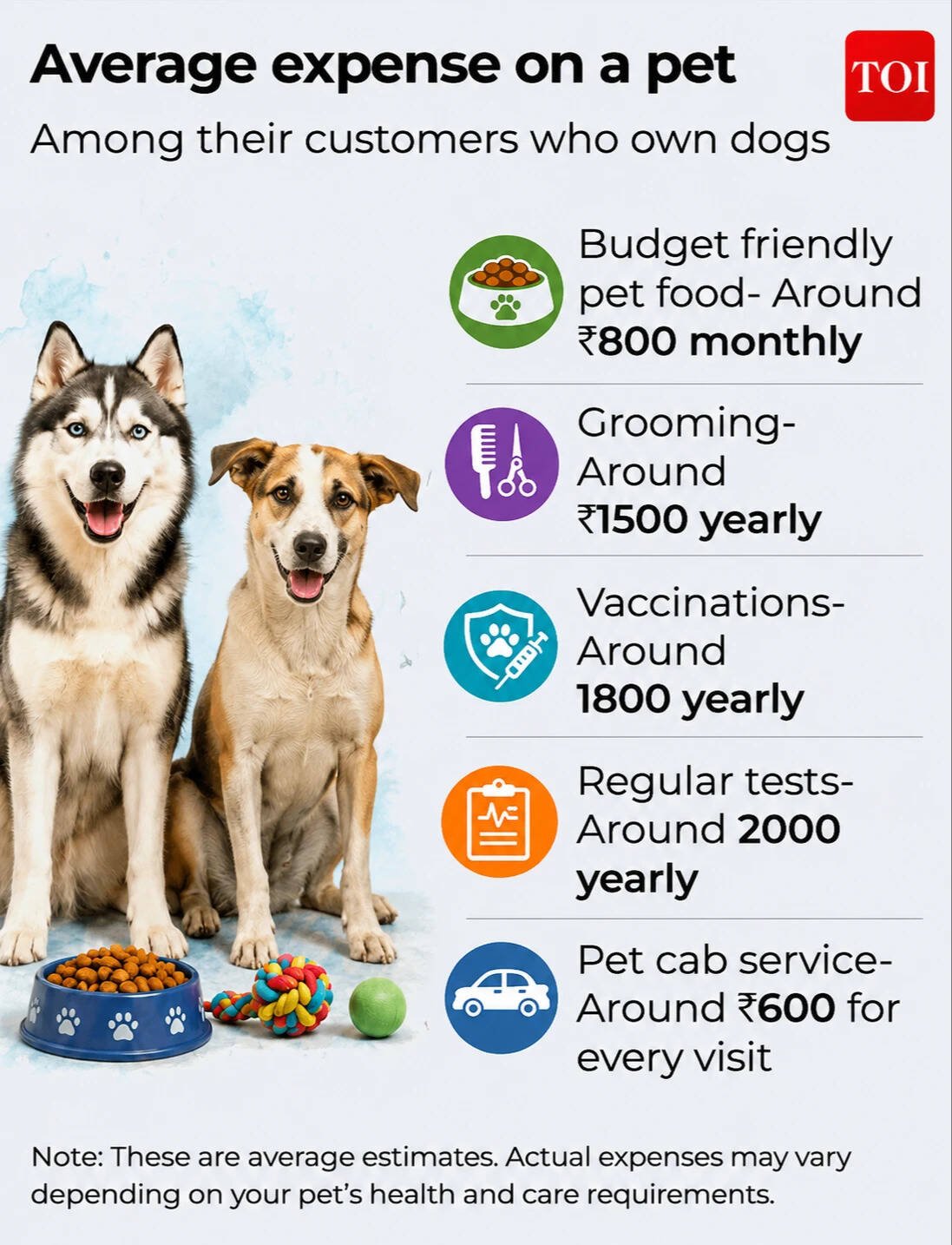
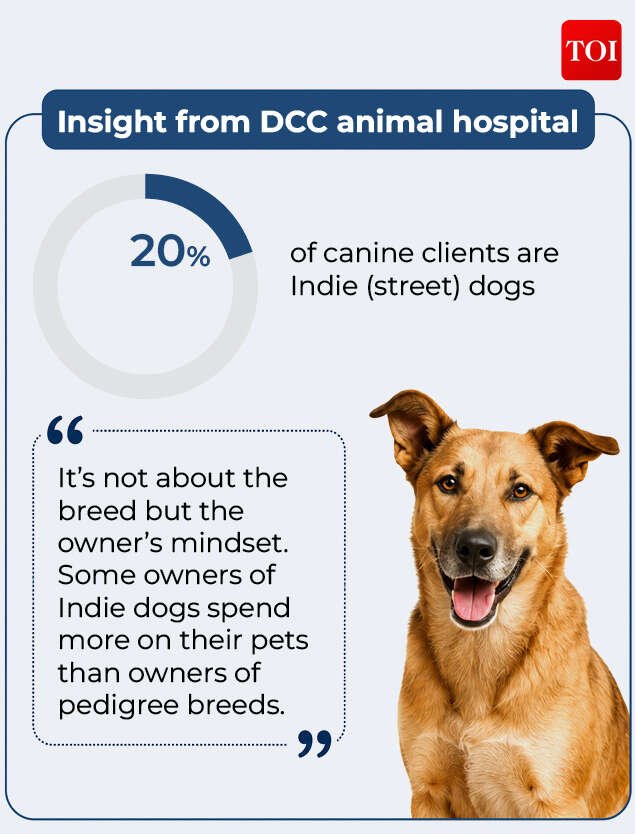
The cost of treatment is only one part of the expense. “Every visit to the vet also adds to the cost, as we usually book pet friendly travel services, which are more expensive than regular rides. Even for a short distance, the commute to the clinic costs around Rs 700,” Jyoti said.5. Is your pet insured?The rising cost of pet healthcare is also driving demand for insurance, with more pet owners opting for policies that help cover unexpected medical expenses and long-term treatment.Several insurers and aggregators offer pet insurance that typically cover accidents, illnesses, surgeries and, in some cases, preventive care.Pet insurance plans start from Rs 169.The other side of India’s pet economyIndia’s booming pet-care industry also highlights a stark contrast. While urban pet parents are spending more than ever on premium food, grooming, healthcare and celebrations, millions of free-roaming street dogs continue to struggle with hunger, disease and limited access to veterinary care.Greater investment in vaccination drives, sterilisation programmes, shelters and community feeding initiatives could help improve the lives of street animals while reducing stray populations humanely.Veterinarians say adoption is gradually gaining acceptance among urban pet parents. According to DCC Animal Hospital, nearly 20% of its canine clients are Indie (street) dogs, with spending on their care depending more on the owner’s mindset than the breed itself.
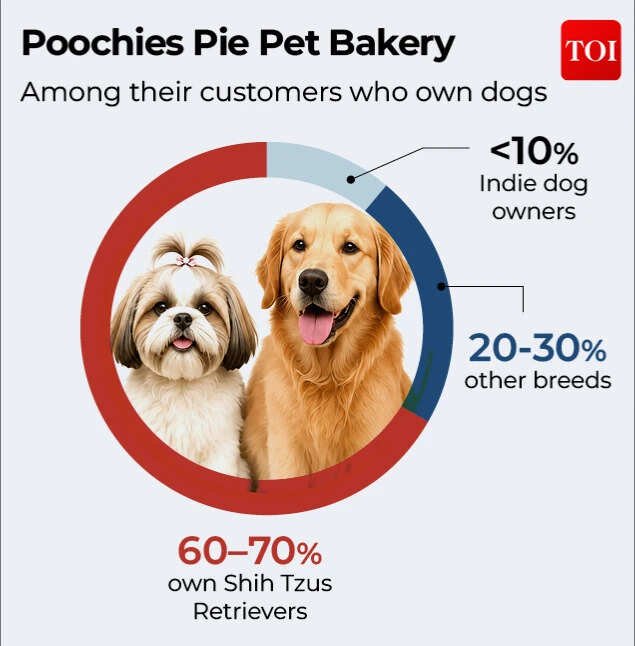
However, businesses catering to premium pet products suggest pedigree breeds still dominate consumer spending. Owner of PoochiesPie Pet Bakery, Aanchal Sapra, says around 60–70% of its customers own Shih Tzus or Retrievers, while the share of Indie dog owners remains comparatively low.The contrast reflects how adoption is growing but has yet to become mainstream in the premium pet-care market.
For Jyoti, compassion extends beyond her own pet. “I make sure to feed the street dogs, cats and cows in my neighbourhood every day. No matter how expensive things become, it only motivates me to earn more so I can continue feeding and taking care of them,” she said.As India’s pet economy continues to expand, experts say its long-term success should not be measured only by rising consumer spending but also by how it improves the welfare of the country’s millions of street animals.