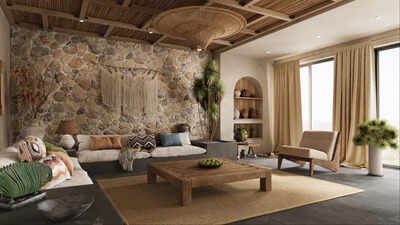
Most of us think cooling a home begins with solutions we add later, instead of the way it is created. In reality, it begins much earlier, with the materials and surfaces we choose.
Cooling starts with design, not just air conditioning
In an interview with the Times of India, Pratik Singhvi, Chairman and Managing Director at Euro Pratik Sales Ltd., shared, “One of the simplest ways to manage heat is to stop it from entering in the first place. Exterior louvers do exactly that. By filtering harsh sunlight and creating a subtle air gap, they reduce how much heat reaches the building envelope. It’s a quiet intervention, but one that can make a noticeable difference to indoor temperatures, especially during peak summer afternoons.”As temperatures rise, most offices respond the same way. They turn the AC lower and hope for the best but anyone who’s spent a full workday in peak summer knows that cooling isn’t just about temperature, it’s about how a space feels over time.Bringing her expertise to the same, Sapna Khakaria, Principal Architect at The Canva, ANJ Group, highlighted, “In workplaces, heat builds up quietly. Large floor plates, constant occupancy, and long hours mean that surfaces start storing heat throughout the day. This is where material choices begin to matter more than we realise. Materials like natural stone, terrazzo, lime-based plasters and high-density engineered wood panels behave far more predictably in heat. They don’t trap it aggressively, which helps maintain a more stable indoor environment.”
Breathable materials to beat summer heat
A recently published Pano Ceiling Industry Report reviewed 2026 construction trends and found that mineral fiber and rock wool insulate effectively, reducing cooling loads by regulating indoor temperatures without heavy AC reliance. The authors noted, “Energy Efficiency: Both mineral fiber tiles and rock wool boards provide superior insulation, helping to regulate indoor temperatures and reduce energy consumption.”
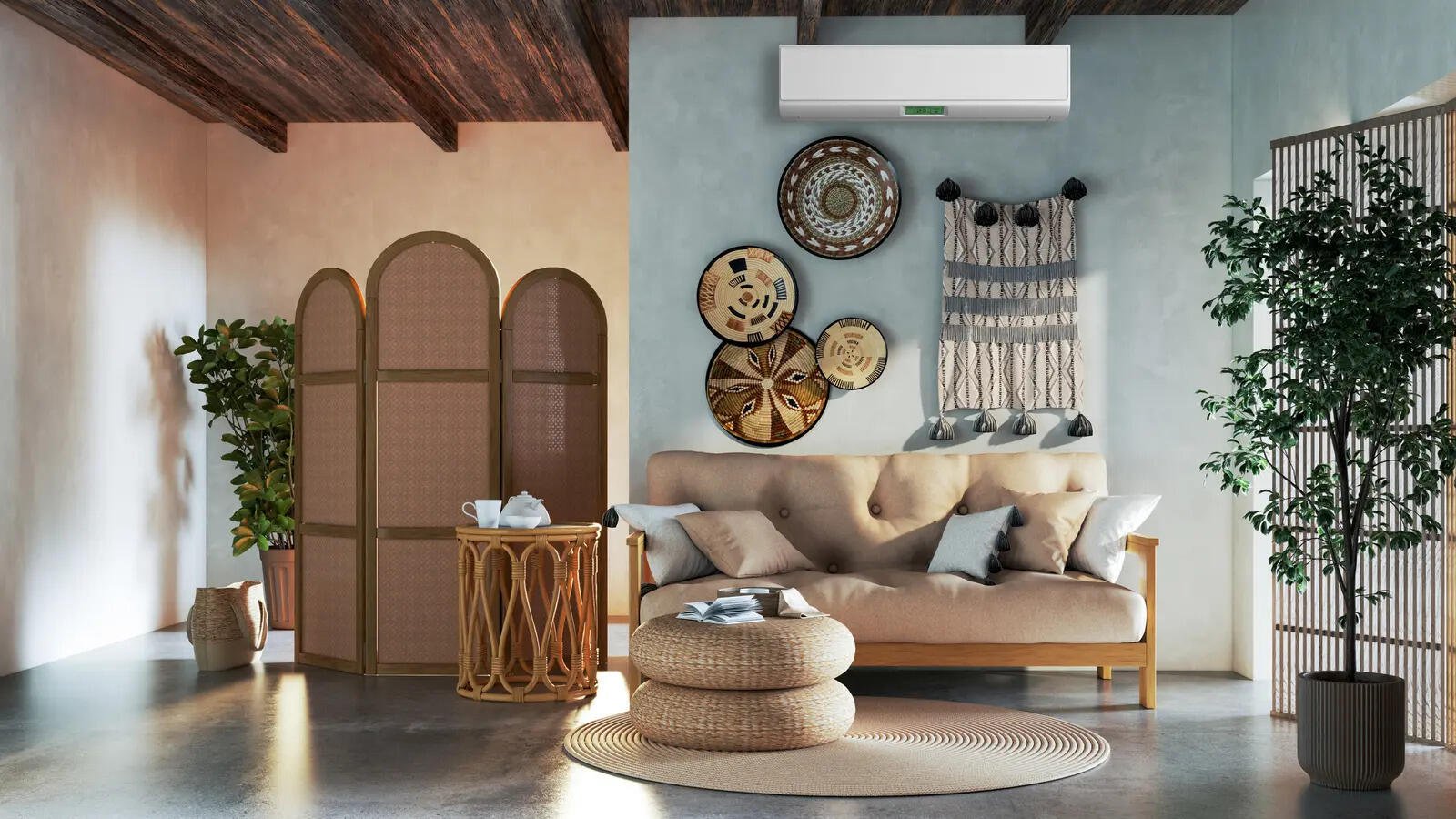
Why Modern Homes Are Using Breathable Walls, Smart Glass and Bamboo to Beat the Heat
Inside, surface materials play a bigger role than we often realise. Singhvi explained, “Wall finishes, for instance, can either trap heat or help regulate it. Materials like Decoclay, made using natural mineral compositions, tend to stay cooler because they don’t absorb and hold heat the way conventional surfaces do. They also allow walls to breathe, which helps avoid that heavy, closed-in feeling during warmer months.“Seeing more offices move towards layered material systems, Khakaria pointed out, “Instead of flat surfaces, there’s a mix of breathable fabrics, perforated panels and cavity-backed walls that allow air to move through the space. It’s not always visible, but it changes how evenly a workplace cools, especially in larger setups where air-conditioning alone struggles to keep up. There’s also a growing role of quieter interventions, things like heat-reflective films, smart glass, or sensor-based shading that manage sunlight without making spaces feel shut off.“The 2026 Elite Traveler Interior Design Review analysed natural materials in luxury homes and revealed that wool, linen, hemp regulate temperature, breathe for moisture control and maintain coolness in hot climates. The authors claimed, “Wool, linen, hemp and silk are favoured… for the way they regulate temperature, soften acoustics and age beautifully.”There is also a visible shift back towards materials like wood, especially in interior panelling. Singhvi revealed, “Beyond aesthetics, wood has a naturally balanced thermal behaviour, it doesn’t overheat quickly and adds a sense of warmth without making the space feel stuffy. When used thoughtfully, it can soften interiors while still keeping them comfortable through changing temperatures.”At the same time, material choices are becoming more responsible. Khakaria said, “Bamboo composites, recycled fabric panels and low-VOC finishes are being used not just for sustainability but because they contribute to better thermal comfort.”
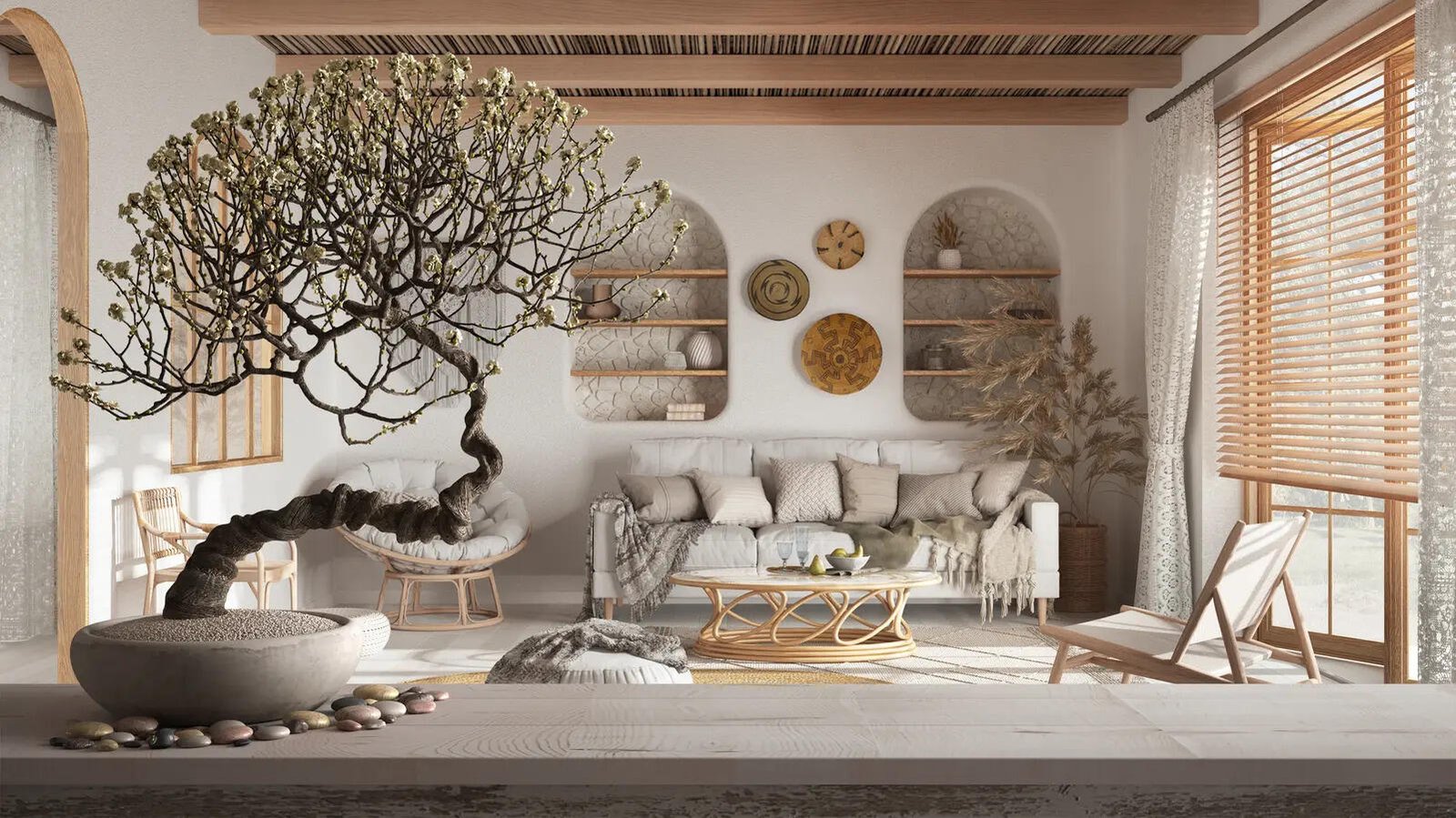
The 2026 Home Design Trend That Could Cut Your Dependence on Air Conditioning
This is backed by a 2026 Decory.ai Design Trends Report that examined sustainable interiors and established that natural wood, cork, bamboo and low-VOC paints improve thermal comfort, airflow and humidity control for cooler feel. The researchers said, “Improved insulation materials and thermal curtains are also trending, reducing the need for excessive heating or cooling.”
Bottom line
What is interesting is that none of these are drastic changes. They are small, considered choices that work together. As summers get more intense, experts assert that interiors designed with this kind of material awareness will not just look good but feel noticeably cooler and easier to live inWhat’s changing is the approach. Cooling is no longer something you fix later. It is something you design for. When the right materials and systems are in place, the difference is subtle but immediate; the space simply feels lighter, cooler, and easier to work in.