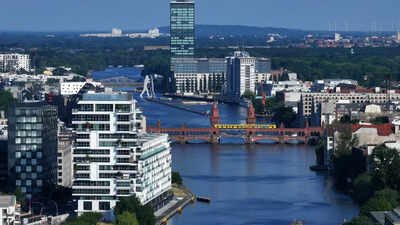
Berlin’s rising rents and soaring property prices are squeezing the city’s underground culture, from DIY bars and open-air discos to alternative performance spaces that have long operated on vacant plots, old industrial sites and other unused land.This underground scene, built around informal venues, artists’ collectives and community-run spaces, has been closely tied to Berlin’s history of making use of abandoned and inexpensive properties. But as land values rise and cheap or unused spaces become harder to find, some of the venues that helped shape the city’s alternative identity are being forced to move or shut down.Residential property prices in Berlin have more than tripled over the past 15 years, while the city’s supply of relatively cheap or unused spaces has steadily shrunk. The squeeze is now threatening some of the informal venues and communities that have long been part of Berlin’s urban identity.One example is “die Greife”, a stretch of vacant land in northeast Berlin near the Prenzlauer Berg neighbourhood that has been used by alternative groups for bars, open-air discos and performance spaces.Zirkus Mond, an alternative circus troupe, has operated on the site for eight years. But the developer that had allowed the group to use the land now wants it back, forcing the troupe to move.”It’s sad but we knew it was going to come, and we found another place,” said Max Mohr, director of Zirkus Mond, as reported by Reuters.The troupe, which includes jugglers, dancers and acrobats, had previously staged shows in abandoned buildings before settling at the site. Over the past decade, groups including Kollage Kollektiv, Jonny Knueppel and Mucha gradually transformed the previously unused stretch of land into a cluster of cultural and social spaces.“This type of space used to be common in Berlin,” said Elva Lebrun from the Mucha association. “It’s also part of the essence and identity of Berlin, raw and also DIY – everything you see here is done by us.”The loss of such spaces reflects a broader change in Berlin’s property market. After the fall of the Berlin Wall in 1989, artists and alternative communities moved into vacant warehouses, industrial buildings and unused plots across the city, often paying relatively little for large amounts of space.That availability helped establish Berlin’s reputation as a relatively affordable destination for artists and young people, while giving unused urban land a new purpose.But as the German capital has grown, land has become more valuable and the amount of space available for temporary or informal use has declined.The pressure is also being felt in the residential market. Housing costs have risen sharply, making it harder for some of the people who were once drawn to Berlin’s alternative scene to afford to remain in the city.Juan Migama, the Spanish-born artistic director of Zirkus Mond, said the cost of housing was driving away some people who had previously been attracted to Berlin, although he said the city remained tolerant and open-minded.The property squeeze has become a major political issue in Berlin. A far-left party won a state election last month after campaigning on a pledge to take housing from corporate landlords and cap rents.Berlin’s relationship with alternative communities has historically been shaped by its unusual property landscape. During the Cold War, students, punks and hippies occupied spaces in West Berlin, while the years after reunification brought a new wave of artists into vacant buildings and former industrial sites.Even the city’s bureaucracy has sometimes helped such projects survive. Interim-use rules allowed diskoBabel, the association operating “die Greife”, to use the vacant land, despite the site having no running water and relying on generators for electricity.The arrangement illustrates the precarious nature of many such spaces: they can operate while land remains unused, but their future changes once a developer decides to reclaim the property.“Germans have a lot of rules, it’s true. And because they have so many rules, they have rules that make these things possible,” Migama said. “You can be in a kind of grey area, but as soon as you follow those rules, they let you be.”For groups operating on temporary sites, however, rising property values mean that finding another space is becoming increasingly difficult.“It is not a recipe for getting rich but people living outside the mainstream have always needed to overcome obstacles,” Mohr said. “If you want this lifestyle, you have to be very driven. It’s maybe a lot of work, but it is possible to do this.”