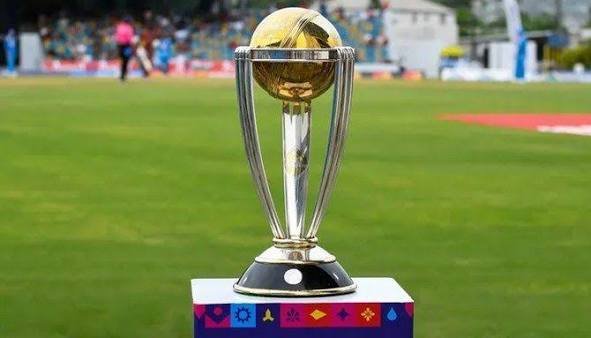
 The International Cricket Council (ICC) has faced heavy criticism after announcing the new format for the 2027 ODI World Cup. Many fans and former cricketers questioned the introduction of the Super Series, where the three lowest-ranked qualified teams will compete first, with two teams being eliminated after just six matches. Critics believe the format is unfair, but the ICC says it will make the tournament more competitive.
Before finalising the format, the ICC reportedly explored several options. One proposal was to continue with the 10-team format that was used in the 2019 and 2023 ODI World Cups. According to reports, this idea received support from several members of the ICC Working Group, but it was eventually rejected in favour of keeping the 14-team tournament.
ICC Introduces New Three-Stage World Cup Format
Instead, the ICC retained the 14-team World Cup but introduced a new three-stage structure. An ICC source explained the reasoning, saying, “The format rewards consistent performance across multiple stages, ensuring every match has greater significance. No team goes through without facing the best teams.” The governing body believes the revised system will produce better-quality cricket and a more exciting competition.
One of the biggest talking points is the Super Series. The three lowest-ranked qualified teams will play six matches among themselves, with only one team progressing to the main tournament. While two teams will be knocked out before the group stage, the ICC believes this ensures that every game has high stakes right from the beginning.
12 Teams Divided Into Two Groups
After the Super Series, the remaining 12 teams will enter the main competition. They will be divided into two groups of six teams each, where every side will play against the others in its group. The top teams will then qualify for the newly introduced Super 7 stage instead of the traditional Super Six.
The Super 7 will replace the old second-round format used in previous editions. Teams advancing from the group stage will carry their campaign forward and compete for the four semi-final spots. According to the ICC, this structure ensures that strong teams continue facing each other, making the race for the knockout stage more competitive.
Defending the new format, the ICC said, “It is an evolved competition format for the ICC Men’s Cricket World Cup that continues to feature 14 participating teams while delivering a more compelling tournament for athletes and fans.” The governing body added that the revised format would create greater context, competitiveness, and consequence from the opening match through to the final.
The ICC also believes the new structure will reduce the number of dead rubber matches. In previous tournaments, some teams had already qualified or been eliminated before their final group games, making those matches less meaningful. Under the new system, almost every match is expected to have a direct impact on qualification, keeping the tournament competitive throughout.
Another major advantage is that Associate nations still have a pathway to compete in the World Cup. Emerging teams can qualify alongside Full Member nations, preserving opportunities for smaller cricketing countries while maintaining a high standard of competition. The ICC feels this strikes the right balance between inclusivity and quality.
South Africa, Zimbabwe and Namibia to Host 2027 World Cup
The ICC Men’s Cricket World Cup 2027 will be co-hosted by South Africa, Zimbabwe, and Namibia and will feature 60 matches in total. The tournament will consist of the Super Series (6 matches), Group Stage (30 matches), Super 7 (21 matches), Semi-finals (2 matches), and the Final (1 match). While the format has divided opinions, the ICC hopes it will deliver a more competitive tournament, stronger fan engagement, and meaningful cricket from the first ball to the last.
Rahmat Shah Named Afghanistan Test and ODI Captain After Shahidi Steps Down