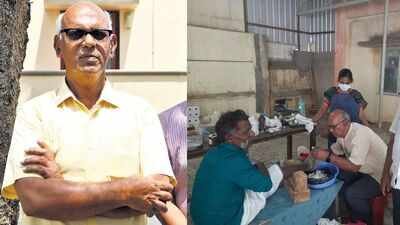
In 1988, Tamil Nadu’s R Siva started helping three people affected by leprosy earn a living. It was a humanity-based initiative driven by a concern that often received less attention than the disease itself: what happened to people after they received treatment? Although leprosy was medically curable, those affected continued to face social stigma and discrimination and rejection. Let alone problems finding employment. Nearly four decades later, the 72-year-old retired health worker says his rehabilitation efforts have reached around 2,800 people.As per a report by The New Indian Express, Siva’s journey began with a small intervention supported by Sri Ramakrishna Math in Chennai. What started with three beneficiaries eventually developed into a sustained rehabilitation effort involving livelihood assistance, medical support with hopes to change public attitudes towards leprosy.Meet R Siva who saw beyond the diseaseSiva is a native of Papanasam in Tirunelveli district. He joined the leprosy wing of the Tamil Nadu health department as a health inspector in 1977 and spent early years working in a system. He was associated with identifying cases, providing treatment and controlling the spread of the disease.Speaking to the publication, Siva explained that the government’s focus was largely on eradicating the disease. Nobody was focused on the rehabilitation of those already affected.

R Siva working (PC: The New Indian Express)
“The government focused on eradicating the disease, but there was no plan for rehabilitating those who had already been affected,” he said.In 1988, he decided to act on that belief and with support from Sri Ramakrishna Math in Chennai, he and his team began by helping three people establish independent livelihoods. The assistance included motorised tailoring machines and support to start small shops selling fancy items and vegetables.The initiative gradually expanded, reaching approximately 2,800 people over the following 38 years, according to Siva’s account in the newspaper interview.From livelihood assistance to a support network
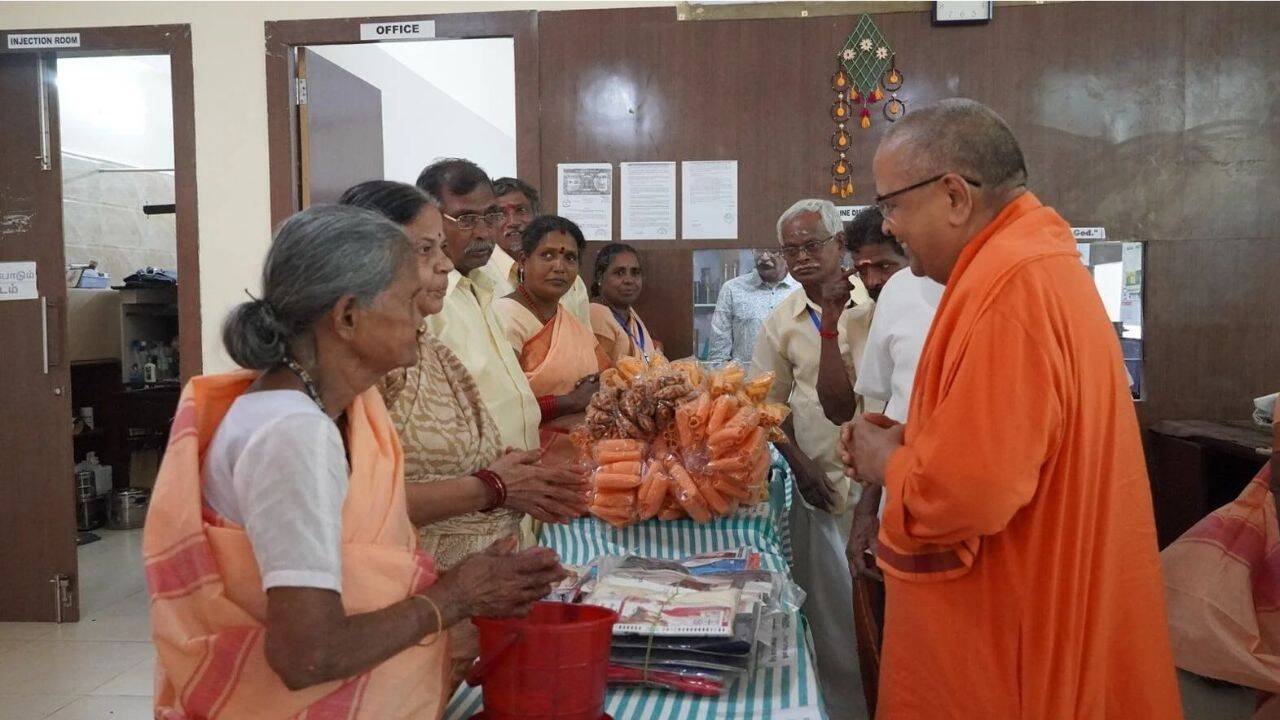
Sri Ramakrishna Math
The rehabilitation effort was not restricted to providing financial assistance or equipment. Over time, it developed into a broader support system that included medical attention, financial help, psychological encouragement and opportunities for people affected by leprosy to become self-reliant.Sri Ramakrishna Math’s own documentation of its Rehabilitation of Leprosy Afflicted Persons programme describes its origins in 1988 under the guidance of Swami Tapasyanandaji Maharaj. The programme also encouraged beneficiaries to form 12 self-help groups comprising 130 members.His account highlights an important aspect of rehabilitation: people need more than medical treatment to rebuild their lives. They also need opportunities to earn, supportive relationships and acceptance within their communities.Meet K ChakrapaniOne person whose life became closely connected with Siva’s work is K Chakarapani, now 75, from Chennai. Chakarapani recalled developing a skin infection on his thigh when he was young. Over the years, the condition progressed to leprosy, eventually affecting the functioning of his fingers. He was referred to Siva for regular wound dressing and treatment.Even today, Chakarapani visits Sri Ramakrishna Math in Mylapore every Saturday. He said Siva provides treatment, helps beneficiaries with their bus fare and offers financial assistance.Importantly, Chakarapani is no longer only someone receiving help. He has become a volunteer himself, earning money for every dressing he provides to other people who need care.Why rehabilitation matters even after a cureLeprosy, also known as Hansen’s disease, is a chronic infectious disease caused by the bacterium Mycobacterium leprae. It primarily affects the skin and peripheral nerves and, if left untreated, can lead to permanent disabilities.According to the World Health Organization (WHO), leprosy is curable through multidrug therapy (MDT), which combines rifampicin, dapsone and clofazimine. Treatment is available free of cost, and early diagnosis can prevent disabilities.It is important to note that the disease does not spread through casual contact such as shaking hands, hugging or sharing meals. A person stops transmitting the disease once treatment begins.At 72, the work continues Siva retired from government service in 2012. Today is over 70 but he is still associated with people affected by the disease and continues to work with volunteers.
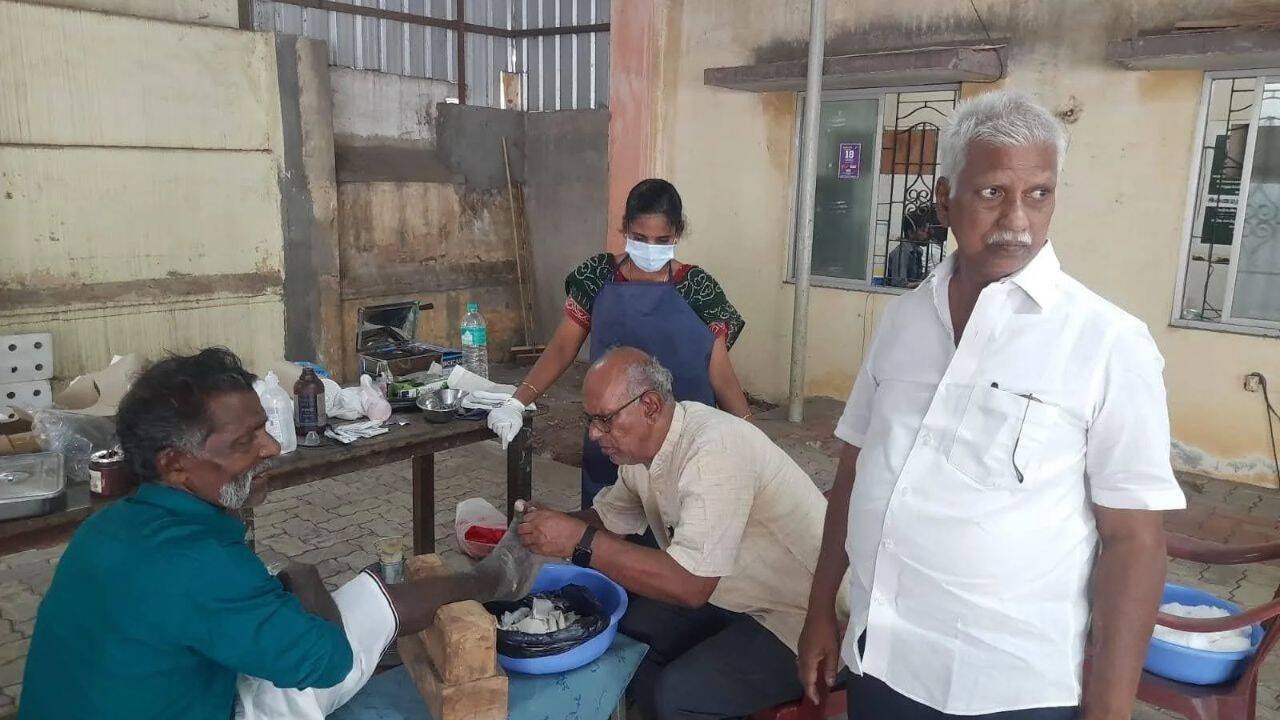
R Siva in Sri Ramakrishna Math (PC: Sri Ramakrishna Math)
One of his regular activities is helping people access wound-dressing services and other forms of support. The Saturday visits to the Math’s Mylapore premises have also become an opportunity for beneficiaries to seek assistance and connect with others facing similar difficulties.At 72, he continues towards a distinction that is often overlooked. Treating a disease can help someone recover physically, but ensuring that they can earn a living, participate in society and live without discrimination requires a different kind of commitment.