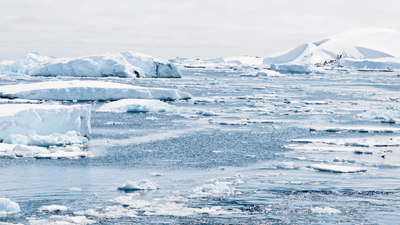
Antarctica may look like a vast, frozen and unchanging landscape, but deep beneath its thick ice lies a surprisingly active world. In 2007, scientists reported findings based on measurements collected by NASA’s ICESat satellite between 2003 and 2006, revealing major changes in the surface of the West Antarctic Ice Sheet and signs of water moving through hidden lakes far below. According to a study published in the journal “Science” and later explained by NASA’s Earth Observatory, researchers identified 14 areas where the ice was rising or sinking, suggesting that subglacial lakes were filling and draining. One of these hidden lakes alone released an estimated 2 cubic kilometres of water in just three years.
An unexpected change
The discovery began with Helen Amanda Fricker, a geophysicist who was studying small changes in the elevation of Antarctica’s ice surface. She used data collected by NASA’s ICESat satellite, which carried a laser instrument capable of measuring subtle differences in the height of the ice. ICESat sent laser pulses towards Earth and measured how long they took to return. By repeatedly observing the same areas, scientists could detect whether the surface had risen or fallen.While studying the region around the Whillans and Mercer Ice Streams in West Antarctica, Fricker noticed something unusual. Between October 2003 and November 2005, one area had dropped by roughly 9 metres. The change was far too large and occurred too far inland to be explained by ordinary tidal effects. Something beneath the ice appeared to be changing. Further investigation suggested that the surface depression was caused by the draining of a previously unknown subglacial lake, later named Subglacial Lake Engelhardt.
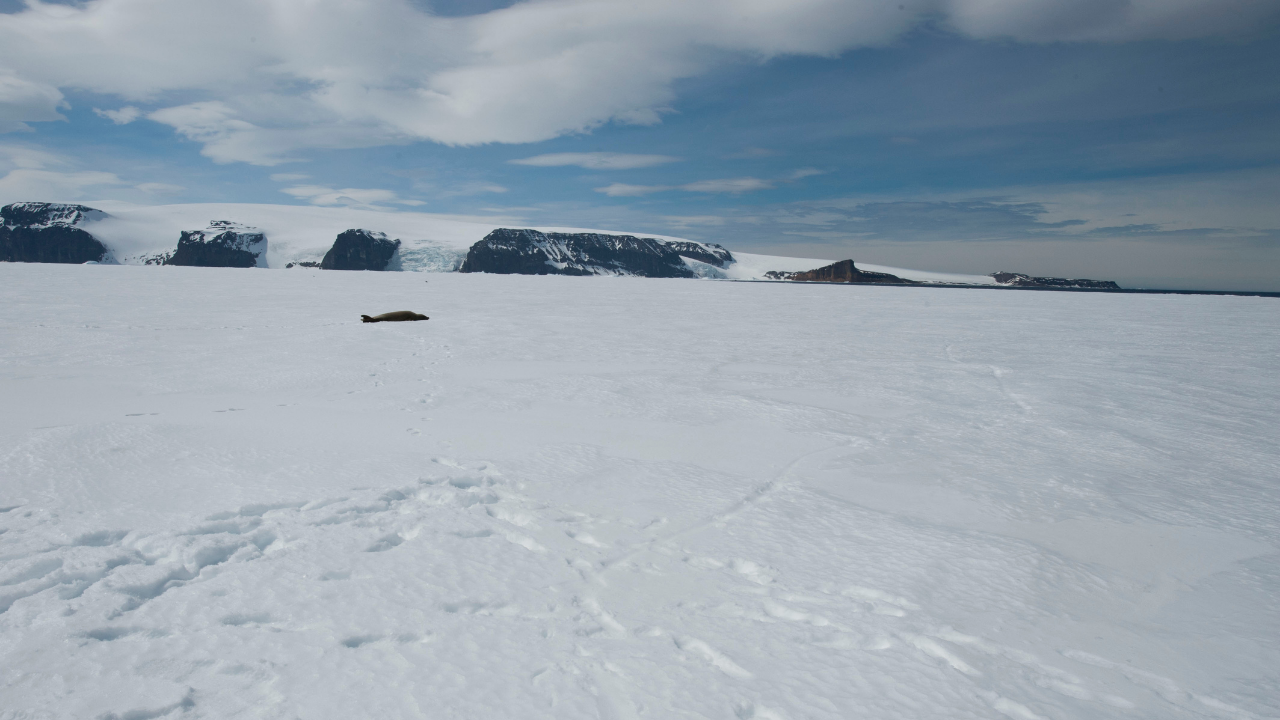
Scientists used NASA satellite measurements to reveal 14 areas of moving water beneath West Antarctica (Image Credit: Canva)
A hidden lake drains
The researchers combined ICESat elevation measurements with satellite image analysis to confirm that the ice surface had changed over a large area. By comparing images taken at different times, they could see changes in shadows and surface slopes, providing further evidence that the ice had sunk. The lake beneath the ice had lost an estimated 2 cubic kilometres of water over about three years, with the water draining towards and ultimately into the ocean.At the same time, other areas beneath the ice were showing the opposite pattern. Their surfaces were rising, suggesting that water was accumulating underneath them. In total, the researchers identified 14 regions where the surface elevation changed between 2003 and 2006, pointing to a widespread and dynamic system of moving subglacial water.This was an important finding because it showed that Antarctica’s hidden lakes were not simply isolated pools of water sitting beneath the ice. Instead, at least some of them could fill and drain over relatively short periods, with water moving through an interconnected system.
Why is there water beneath Antarctica?
The idea of liquid water beneath one of the coldest places on Earth may sound surprising. However, conditions beneath a massive ice sheet are very different from those at its surface. Heat from Earth’s interior and friction generated as ice moves over the ground can warm the base of an ice sheet, while the immense pressure of the overlying ice lowers the melting point. Together, these conditions can allow liquid water to persist beneath the ice.But subglacial water does not necessarily behave like an ordinary lake on the Earth’s surface. The tremendous pressure exerted by the ice above can influence where the water flows and where it collects. Water can move between basins in response to changes in pressure, causing lakes to fill in one place and drain in another. As the water level beneath the ice changes, the ice above can rise or sink. This is what made the hidden activity detectable from space. Scientists could not directly see the lakes through the thick ice, but they could observe their effects on the surface.
A hidden plumbing system
The 2007 findings helped change the way scientists viewed Antarctica’s subglacial environment. Rather than being a static landscape, parts of the region appeared to contain a complex and active water system. The movement of this water could also influence how quickly ice streams travel towards the sea. Water beneath an ice stream can reduce friction between the ice and the ground, potentially affecting the speed at which the ice moves.However, the relationship is not always straightforward. According to NASA, during the period studied, the Whillans Ice Stream was slowing even as substantial volumes of water were being stored elsewhere beneath the ice. The apparent contradiction showed that scientists still had much to learn about how subglacial water, ice movement and pressure interact. Therefore, the discovery was about more than a single hidden lake. It revealed evidence of a changing system beneath West Antarctica that could play an important role in the behaviour of ice streams and the overall mass balance of the ice sheet.
Why the discovery matters
Antarctica’s ice streams transport enormous amounts of ice from the continent towards the ocean. Changes in their speed can affect the amount of ice entering the sea and, over longer periods, contribute to sea-level changes. The researchers did not suggest that climate change directly caused the draining lake. Instead, the study highlighted a natural process occurring beneath the ice that needs to be understood when scientists model the future behaviour of Antarctic ice sheets. Subsequent research using ICESat data expanded the picture further, identifying many more active subglacial lakes across Antarctica. Together, these findings have reinforced the idea that beneath the continent’s seemingly still surface lies a hidden and dynamic network of water.What NASA satellite measurements revealed in 2007 was therefore a striking example of how much can be learned about an inaccessible environment from space. By detecting changes of only a few metres at the surface, scientists were able to uncover the movement of enormous volumes of water far below the ice, revealing that even beneath one of Earth’s most frozen landscapes, the ground is anything but still.