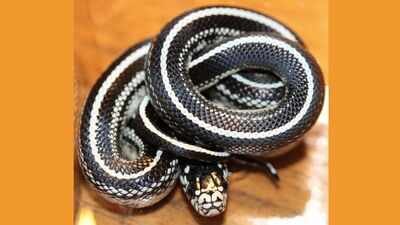
The kingsnake is one of the most fascinating reptiles in North America. It is non-venomous, but that does not make it harmless to other snakes, in fact, kingsnakes are famous for hunting, killing and eating venomous snakes such as rattlesnakes, cottonmouths and copperheads.That unusual talent has helped the kingsnake earn its regal name.Many snakes survive by avoiding danger, but kingsnakes are renowned as fearless predators that can tackle some of the most dangerous reptiles in the wild.Why kingsnakes are so special Kingsnakes belong to the Lampropeltis genus and are easily recognized in many places because of their slender bodies and vivid patterns. Different species and subspecies can look pretty different from each other . But what they all have in common is that they are constrictors . Meaning they kill their prey by wrapping around it tightly until it suffocates.They eat more than snakes. Kingsnakes are also known to eat lizards, rodents, birds, bird eggs and amphibians, making them highly adaptable hunters. But it is their snake-eating habit, called ophiophagy, that makes them different from many other reptiles.
How a non-venomous snake beats venomous ones
The obvious question is: how does a non-venomous snake survive eating venomous prey? The answer is a mix of biology, agility and resistance. Kingsnakes are highly resistant to the venom of several pit vipers, which allows them to take on animals that would be dangerous for most other snakes.They do not rely on venom themselves. Instead, they actively hunt, seize and constrict prey.When a kingsnake targets another snake, it uses strength and timing to overpower it before it can effectively strike back. That makes the kingsnake one of the most impressive snake hunters in the animal kingdom.
Where Kingsnakes live
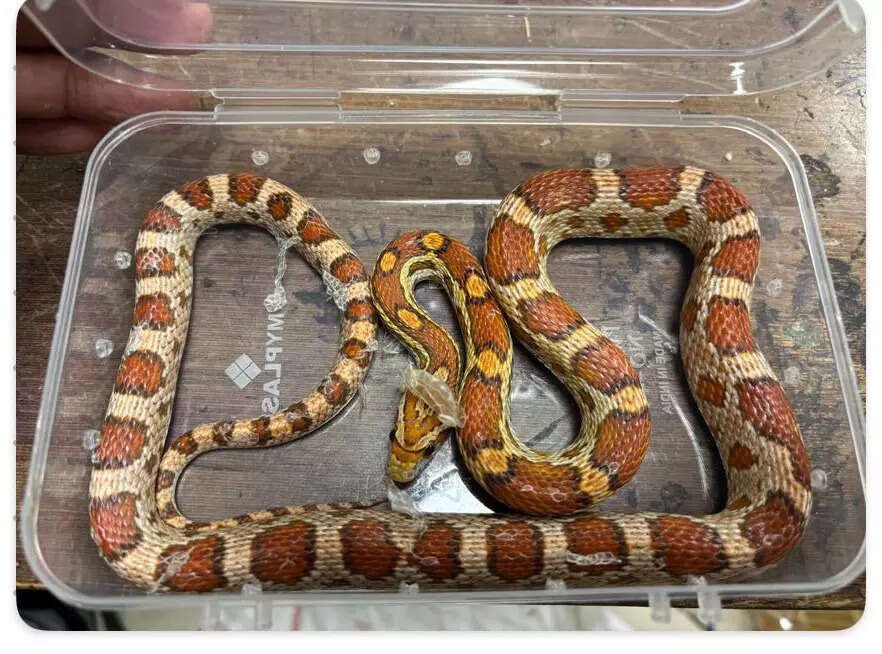
Mumbai, Oct 12 (ANI): Customs officers seized a California Kingsnake at Chhatrapati Shivaji Maharaj International Airport (CSMIA), Mumbai Customs zones III, in Mumbai recently. (Mumbai Custom/ANI Photo)
For travellers and wildlife watchers, one of the best things about kingsnakes is that they live in a wide range of habitats. You can find them in rock outcrops, brushy hillsides, river valleys, woodlands, fields, pine forests and wetland edges.Their range is broad too.Kingsnakes are found coast to coast across North America, from the southeastern United States into parts of Canada and down through Mexico and Central America. Different species are adapted to different environments, which is why they turn up in such a wide variety of places.If you are trying to spot one in the wild, your best chances are usually in sunny, natural areas with cover nearby; places like streambanks, forest edges, rocky slopes, fields and debris piles where snakes can hide during the heat of the day.
Best places to see Kingsnakes
Travellers hoping to see a kingsnake should focus on regions where they are known to be common and on habitats where they are most active.In the southeastern United States, species such as the eastern kingsnake are found in sandy uplands, pine flatwoods, mixed forests, river floodplains and areas near wetlands.In Tennessee, for example, wildlife guidance says common kingsnakes are often found under logs, boards and debris, around streambanks and wetlands, or even climbing on stone walls and in barns.In the western United States, California kingsnakes are often associated with woodland, chaparral and rocky streambeds. They can be difficult to spot because they are secretive, but they are most likely to be encountered in places where there is plenty of cover and sunlight.
When and how to look for them
Kingsnakes are usually most active in warm weather, especially in spring and early summer, when they are out hunting more often. If you are looking for them in the wild, the best approach is to move slowly, stay quiet and scan carefully around rocks, logs and brush.You should never flip rocks or disturb habitat recklessly, both for your safety and the snake’s. Kingsnakes are generally not aggressive toward people, but any wild snake can bite if cornered or handled. The best wildlife experience is always an observation-only one.
Why people mistake them for other snakes
Some kingsnakes are banded or patterned in ways that can remind people of coral snakes or other brightly marked reptiles. That resemblance has made them famous in folklore and field guides alike.But unlike coral snakes, kingsnakes are constrictors and do not produce venom.Their reputation comes not from looking dangerous, but from their confidence in taking on prey that most animals would avoid.
Why Kingsnakes matter in nature
Kingsnakes play an important role in ecosystems because they help control populations of rodents and other snakes. By eating venomous species as well as smaller prey, they help maintain balance in the food web.That makes them more than just a cool reptile story. They are part of the natural pressure system that keeps ecosystems functioning.When a predator like the kingsnake thrives, it can have benefits that ripple through the habitat.
A reptile worth respecting
The kingsnake’s survival strategy is simple but effective: stay alert, move well, strike fast and rely on resistance rather than venom. That combination makes it one of the most unusual predators in North America.For travellers, the thrill is not in getting close, but in knowing where to look and how to watch respectfully. Whether you are hiking through a pine forest, exploring a river valley or wandering a rocky hillside, a kingsnake sighting is a memorable reminder that not every snake feared by humans is feared in the wild.