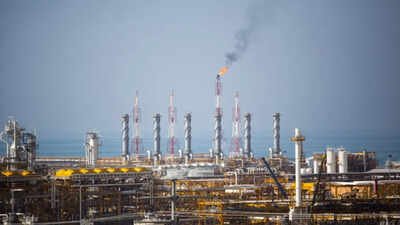
Iran sits atop some of the world’s largest oil and natural gas reserves, yet the energy-rich nation is now preparing to ration electricity, exposing the deepening crisis crippling its power sector.The electricity cuts come as President Masoud Pezeshkian warns of mounting pressure on the country’s energy infrastructure, with war-related damage, dwindling gas supplies and years of underinvestment pushing the power sector deeper into crisis.Iranian President Masoud Pezeshkian has urged citizens to reduce their energy consumption, warning that attacks on the country’s gas infrastructure have worsened an already strained supply situation. In remarks reported by ISNA, he cautioned that the country could face further difficulties as winter approaches.The power crunch comes amid extensive damage to Iran’s energy infrastructure during the war. According to Iran’s National Iranian Gas Company chief Saeed Tavakoli, four gas-processing plants were damaged in the attacks, disrupting the country’s ability to process and supply natural gas.The damage has compounded Iran’s existing gas shortage ahead of winter. Government spokeswoman Fatemeh Mohajerani has warned that the country’s daily gas deficit could reach 430 million cubic metres this winter, compared with around 300 million cubic metres in previous years, raising concerns over supplies to households and power plants.The crisis has also hit electricity generation capacity. Iran’s energy minister Abbas Aliabadi said the country lost around 4,200 megawatts of power-generation capacity in attacks on its energy infrastructure, further widening the gap between electricity demand and available supply.However, the crisis goes beyond wartime destruction. Years of underinvestment, ageing infrastructure, inefficient energy management and heavily subsidised electricity have left Iran’s power sector struggling to keep pace with rising consumption, making it increasingly vulnerable to disruptions in natural gas supplies.The worsening energy crisis is unfolding as Washington intensifies its economic pressure campaign against Tehran. The Trump administration’s sanctions and restrictions on Iranian oil exports, alongside its naval blockade, have further squeezed the country’s ability to generate revenue and access resources needed to repair and modernise its energy infrastructure.The economic fallout is already visible in Iran’s industrial sector, where electricity and gas shortages have forced factories to scale back production.Economist Mohammad Reza Farzanegan of Germany’s Philipps University of Marburg estimates that Iran’s economy could contract by around 7 percent in 2026, as intensified sanctions, trade restrictions, wartime destruction and growing economic uncertainty take their toll.The pressure is adding to an already severe economic crisis, with declining revenues and soaring inflation further limiting Tehran’s ability to revive its struggling energy sector.President Pezeshkian has described the mounting economic pressure as a “silent economic war”, warning that its consequences could be more difficult to withstand than a conventional military conflict.His remarks underline the scale of the challenge facing Tehran, as it struggles to keep electricity flowing while dealing with the combined impact of war damage, structural weaknesses and Washington’s economic pressure campaign.