
Ukraine is considering legalising and taxing its adult entertainment industry as the government looks for additional revenue to support the country’s war effort against Russia, The Wall Street Journal reported.Pornography is currently illegal in Ukraine, with the production, possession or distribution of pornographic material punishable by up to seven years in prison.Despite the ban, the country’s adult content industry has grown significantly and operates in a legal grey area, with allegations of corruption involving law enforcement.Ukrainian authorities have also begun seeking taxes from adult content creators. But those who declare their earnings can potentially expose themselves to prosecution under the country’s pornography laws.
Ukrainian MP pushes for legalisation
Ukrainian lawmaker Yaroslav Zhelezniak is backing legislation that would legalise pornography and bring the industry into the formal economy.He estimates that the move could generate up to $25 million in tax revenue annually, enough to help fund the purchase of up to 30,000 drones for Ukraine’s war effort.“These women either don’t pay taxes and face criminal charges for that, or they pay taxes and get charged with violating pornography laws,” Zhelezniak, who chairs the finance committee in Ukraine’s Parliament, told the WSJ.“It’s a tragicomic situation,” he added.
Supporters of the proposal say legalisation could generate additional tax revenue, reduce corruption and ease the burden on law enforcement at a time when Ukraine is fighting a prolonged war.The scale of Ukraine’s online adult entertainment industry has grown sharply in recent years. According to data cited by the WSJ, Fenix International, the parent company of OnlyFans, found that about 7,900 Ukrainians earned more than $131 million through the platform in 2023.However, creators who disclosed their earnings to tax authorities have faced the risk of being investigated for allegedly producing illegal adult content.One of them, Svitlana Dvornikova, told the newspaper that police seized $20,000 in cash, her laptop and hard drives during a search of her home. Several Ukrainian OnlyFans creators, including Dvornikova, have since left the country or temporarily moved elsewhere in Europe.
Petition gains support
Tax lawyer Lesia Mykhalenko, who has represented more than 100 OnlyFans models, said the current system places an unnecessary burden on both creators and the legal system.“This is a victimless crime,” Mykhalenko told the WSJ. “It unnecessarily burdens the legal system at a time when we should be focused on defending the country.”After a case was filed against her, Dvornikova submitted a petition on Ukrainian President Volodymyr Zelenskyy’s website. She described herself as a “conscientious taxpayer” and argued that the government should not treat her as a criminal.She said she had paid nearly $900,000 in taxes, which she claimed was equivalent to “hundreds of Russians killed on the front line.”The petition received more than 25,000 signatures within a week. Zelenskyy subsequently said parliament would consider legislation to legalise pornography.The bill co-authored by Zhelezniak passed its first reading in Ukraine’s parliament in July and is due to face a second reading.
War puts pressure on Ukraine’s finances
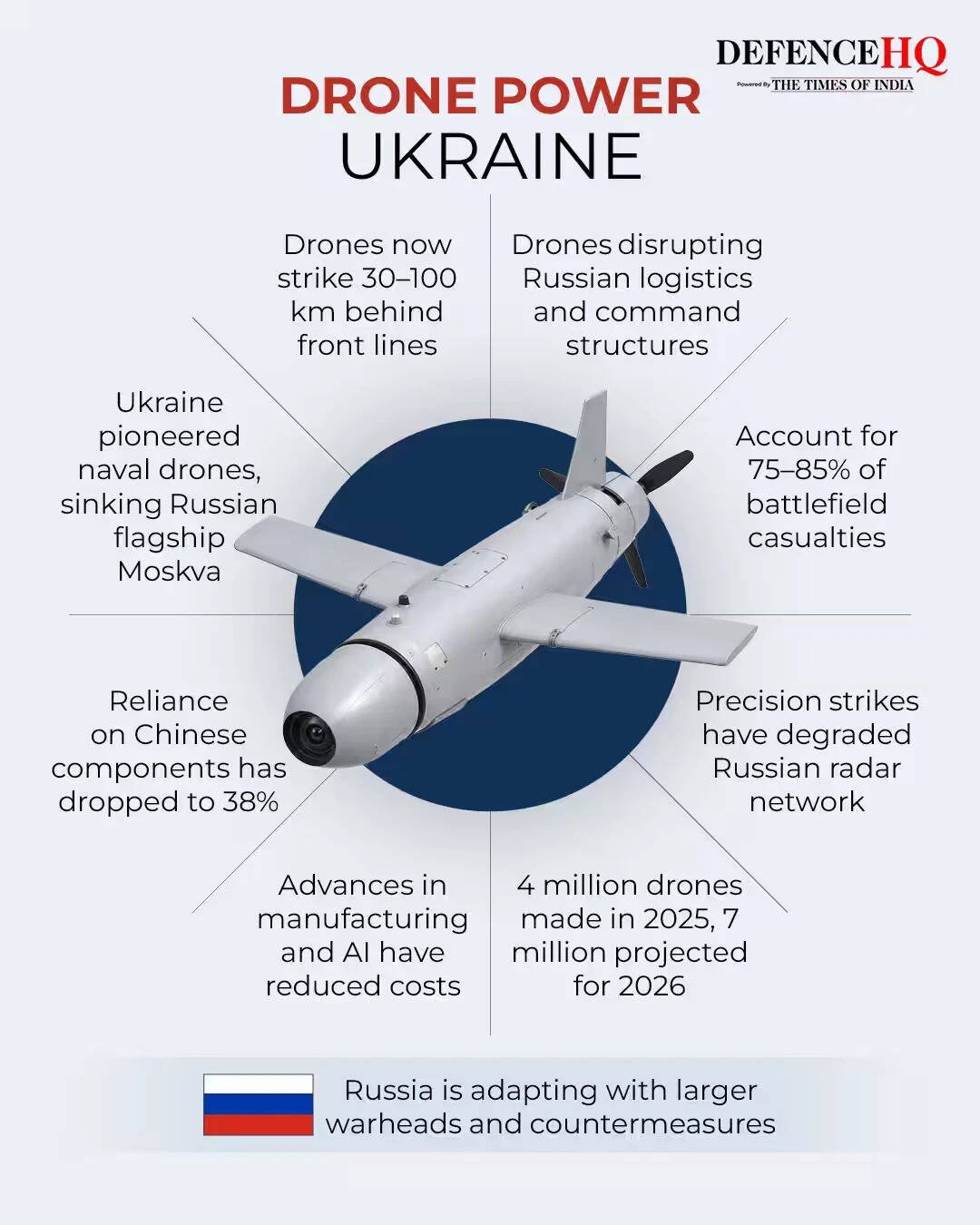
The proposed legislation comes as Ukraine continues to face heavy financial demands from its prolonged war with Russia. Kyiv is seeking additional resources to fund defence, military equipment and other wartime needs.Ukraine has also increasingly relied on domestically produced drones and other unmanned systems as it seeks to reduce dependence on foreign weapons supplies and maintain its ability to strike Russian military and infrastructure targets.Among the systems developed or used by Ukraine are long-range strike drones, missile-drone hybrids, guided rocket systems, naval drones and ground robots. Millions of smaller FPV drones have also become a key part of battlefield operations.The growing domestic weapons industry allows Ukraine to continue developing and producing military systems despite uncertainty over foreign aid. It also gives Kyiv greater flexibility as it seeks to sustain the war effort. However, the systems face challenges including Russian electronic warfare, air defences and attacks on Ukrainian production facilities.The war continues to place significant pressure on Ukraine’s economy and public finances, increasing the importance of finding additional sources of revenue.