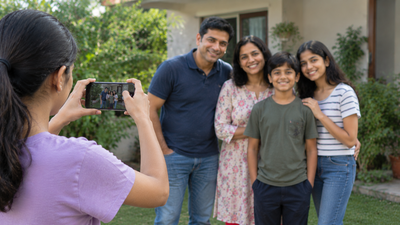
At a family gathering, everyone is getting ready for a group photograph. One child refuses to stand with the others, moves away when the camera comes out and insists they do not want their picture taken. A few minutes later, the same child happily takes the camera and starts photographing everyone else. It may look like a contradiction. The child wants to be part of the moment but does not want to be in front of the camera. For some children, this could reflect a preference for participating without becoming the focus of everyone’s attention.Psychological research on childhood shyness suggests that being involved in a social activity and feeling comfortable being watched are not necessarily the same thing. Some children enjoy being around others but feel uneasy when attention turns towards them. However, refusing a photograph alone cannot tell parents whether a child is shy, uncomfortable, playful or simply uninterested in posing.
28 Sept 2026 | 08:18
Does your teenager tell you about their friends, or do you often have to ask? How much do you know about their social life?
Why being watched can make some children uncomfortable
A group photograph can seem like a small request to an adult, but it may put a child in a situation where everyone is looking at them, telling them where to stand and asking them to smile. The child may feel that their appearance or behaviour is being judged, even if the adults see the moment as harmless fun.A study published in the International Journal of Behavioral Development examined situations that made children feel shy. The researchers identified three common triggers: unfamiliar social situations, the possibility of negative evaluation and being the focus of public attention.The study included two groups of children aged around 10. The findings suggest that shyness can depend on the situation rather than appearing in every social setting. Although the research did not examine children refusing group photographs, it helps explain why a child may be comfortable taking pictures of others but reluctant to stand in front of the camera themselves.
Why taking the picture may feel different from being in it
When a child holds the camera, they have a clear role. They decide when to take the photograph, where to point the camera and who should stand where. They can participate in the family activity without having to manage their own facial expression or respond to instructions to smile.For a child who feels uneasy under direct attention, this may be a more comfortable way to join in. Other children may simply enjoy being the person in charge of the camera or prefer doing something active to standing still.Research on childhood shyness also shows that children can want social contact while feeling hesitant about participating. A 2023 review of research on shy children’s social play and later difficulties describes how some children watch their peers playing without joining in. The review discusses the tension between wanting social interaction and feeling uncomfortable in situations that involve it.This does not mean every child who avoids a photograph experiences shyness or anxiety. A child may be happy to join a game, dance in front of relatives or pose for a picture on another day. The context matters.
What parents should avoid assuming

Photo: Canva
A child who refuses a group photograph is not necessarily being difficult, rude or antisocial. Nor does the behaviour automatically mean the child lacks confidence. The child may dislike being told to smile, feel uncomfortable about their appearance, be tired of posing or simply want to take the photographs instead. Their reasons may also change from one occasion to another.The American Academy of Pediatrics’ guidance on childhood shyness notes that some children naturally take longer to feel comfortable in social situations. Many become more at ease once they have had time to adjust.It is therefore more useful to notice a pattern than to draw conclusions from one family photograph. Does the child avoid only posed pictures, or do they regularly become distressed whenever a group looks at them? Are they comfortable participating when they can choose their role? Do they seem happy to be included in other ways? These observations can help parents understand what is behind the refusal without labelling the child.
How parents can respond
- Let the child choose a role. If they do not want to pose, ask whether they would like to take the picture, help arrange the group or join for a photograph later. This allows them to participate without turning the moment into a confrontation.
- Avoid making the refusal a public issue. Repeatedly asking, teasing or telling the child that everyone is waiting can make the attention feel even more uncomfortable. A calm response is more likely to keep the situation relaxed.
- Offer another opportunity without pressure. The child may agree to join once they have watched everyone else or feel ready. If they continue to refuse, parents can respect that preference rather than forcing a smile.
- Notice whether the discomfort extends beyond photographs. If the child repeatedly avoids social situations, appears distressed when attention turns towards them or struggles to participate in school and other activities, parents can explore the concern gently and seek professional advice if needed.