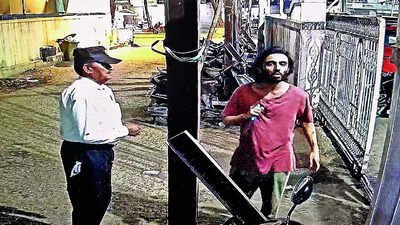
New Delhi: The digital frontier has long been a battlefield for intelligence agencies, but a recent surge in “lone wolves” has left them alarmed. From Zaib Zuber Ansari in Mumbai to Rizwan in Delhi and Tushar Chauhan alias Hizbullah Khan in Uttar Pradesh – the shift from organised cell-based plots seems to have created a “needle in a haystack” scenario that is stretching resources exponentially and prompting a recalibration of security strategies.In the last one month, there has been a spate of terror-espionage related arrests in Delhi, Maharashtra, UP and Gujarat with a lot of these individuals showing high-level of radicalisation, stemming mostly from DIY (Do-It-Yourself) material shared by terror recruiters online. Many of these individuals, sources said, had agreed to carry out lone wolf attacks while consuming extremist propaganda across encrypted platforms and fringe forums, without ever making direct, physical contact with a formal organisation.This is a dangerous trend being noticed globally, investigators said. For years, counterterrorism efforts were designed to intercept communications between known entities or disrupt the logistics of funded networks. However, the latest threat often lacks a physical trail. “The lack of a ‘command and control’ structure means there are no intercepted phone calls or financial transfers to flag, leaving investigators in the dark until an attack is already underway,” said an ATS officer.Also, the speed of mobilisation – called the “flash-to-bang” period by radicalisation experts – has narrowed down significantly, reducing to a few weeks in many cases and leaving little room for intervention.In various cases of online, self-initiated radicalisation, isolated individuals have turned into threats in the privacy of their own homes. The arrest of Tushar Chauhan (20) alias Hizbullah Ali Khan in UP’s Meerut is a case in point. His parents were unaware of his second identity and his alleged conversion, and have said he was suffering from a neurological disorder.Intelligence sources, based on the recordings of calls Tushar allegedly made to threaten his targets, a bunch of “ex-Muslims” and members of hardline Hindu outfits, and which were intercepted leading to his arrest, say that the parents’ version makes the case even scarier. “It shows that they brainwashed an allegedly disturbed person into converting to Islam and turned him into a weapon. In the recordings, he comes out as someone with a single -minded focus on eliminating the blasphemers”.He had first come on the radar of agencies after he made online threats against a religious leader and was arrested in that case.The investigation prompted them to dig deeper into his world and it allegedly emerged that he had been offered Rs 3 lakh by ISI henchman Shahzad Bhatti to carry out a targeted killing.Rizwan, arrested recently for the second time by the Delhi’s special cell, was another self-radicalised person who resorted to nefarious activities shortly after being released from jail. The ‘salad bar’ of ideologies complicates the work of investigative units, making it harder to predict which individuals will transition from radical beliefs to overt violence.Online gaming has emerged as another common point in these recent investigations. Many of these individuals were either recruited or used these multi-player gaming channels to communicate. Recent arrests of Hamad Siddiqui from Kurla and Mosaib Ahmad from Thane revealed these gaming addicts used PubG and FreeFire games to connect with each other.