United States cricketer Bodugum Akhilesh Reddy has been banned from all cricket for eight years after an independent tribunal found him guilty of attempting to fix matches, encouraging another player to participate in corruption and obstructing an investigation.
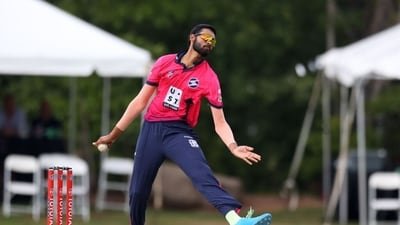
The International Cricket Council confirmed that the suspension has been backdated to November 21, 2025, when Reddy was provisionally suspended.
The 26-year-old, who has represented the USA in four T20 internationals, was charged under three provisions of the Emirates Cricket Board’s Anti-Corruption Code in connection with the 2025 Abu Dhabi T10 tournament.
Reddy was found guilty of attempting to improperly influence the progress or conduct of matches, soliciting another participant to engage in corrupt conduct and deleting potentially relevant material from his mobile phone during the investigation.
Reddy approached teammate inside hotel room
The case centred around a private conversation between Reddy and an unnamed Aspin Stallions teammate, identified in the tribunal documents as Player A, on November 19, 2025.
According to Player A’s evidence, Reddy asked him to come to his hotel room before the Stallions’ match that day. During the conversation, Reddy allegedly told the player he would be selected for matches but would be expected to “give runs” to the opponents.
Player A rejected the approach and contacted his agent immediately after leaving the room. The matter was reported to the ICC Anti-Corruption Unit within approximately an hour.
The tribunal noted that Player A’s account remained consistent across his initial report, subsequent interview, written witness statement and testimony during the hearing.
Reddy denied making a corrupt proposal. He claimed the conversation was about a possible USA training camp ahead of the 2026 T20 World Cup and whether he would need to change his travel arrangements.
The tribunal rejected that explanation as implausible, noting that Reddy could have contacted USA team officials or discussed the matter with Player A over the phone rather than arranging a private meeting.
Player A was initially named as an impact substitute on the Stallions’ team sheet issued at 12.23pm. A revised sheet issued 25 minutes later removed him from the squad. The replacement player was reportedly informed shortly before the match and had to borrow equipment.
While the tribunal said there was no direct evidence proving why the selection changed, it found that the sequence supported Player A’s account.
Also Read: The Jasprit Bumrah dilemma: Why India scrapped quick fixes and chose pacer’s future over Sri Lanka
Deleted messages led to obstruction charge
Reddy also admitted deleting his WhatsApp conversation with Player A and the record of an attempted call. He argued that the messages were removed as part of routine phone management. However, the tribunal found that explanation unconvincing because his WhatsApp chats were already set to disappear automatically after 24 hours.
The panel concluded that the manual deletion was intended to weaken the evidence available to investigators. Reddy received a seven-year ban for attempting to influence matches and another seven-year punishment for soliciting Player A. Those sanctions will run concurrently.
An additional one-year ban for obstructing the investigation will run consecutively, taking the total suspension to eight years.
The tribunal described attempted fixing and the corruption of another participant as among the most serious offences under the code. It also highlighted the potential damage to the tournament, public confidence in cricket and the welfare of the player who reported the approach.