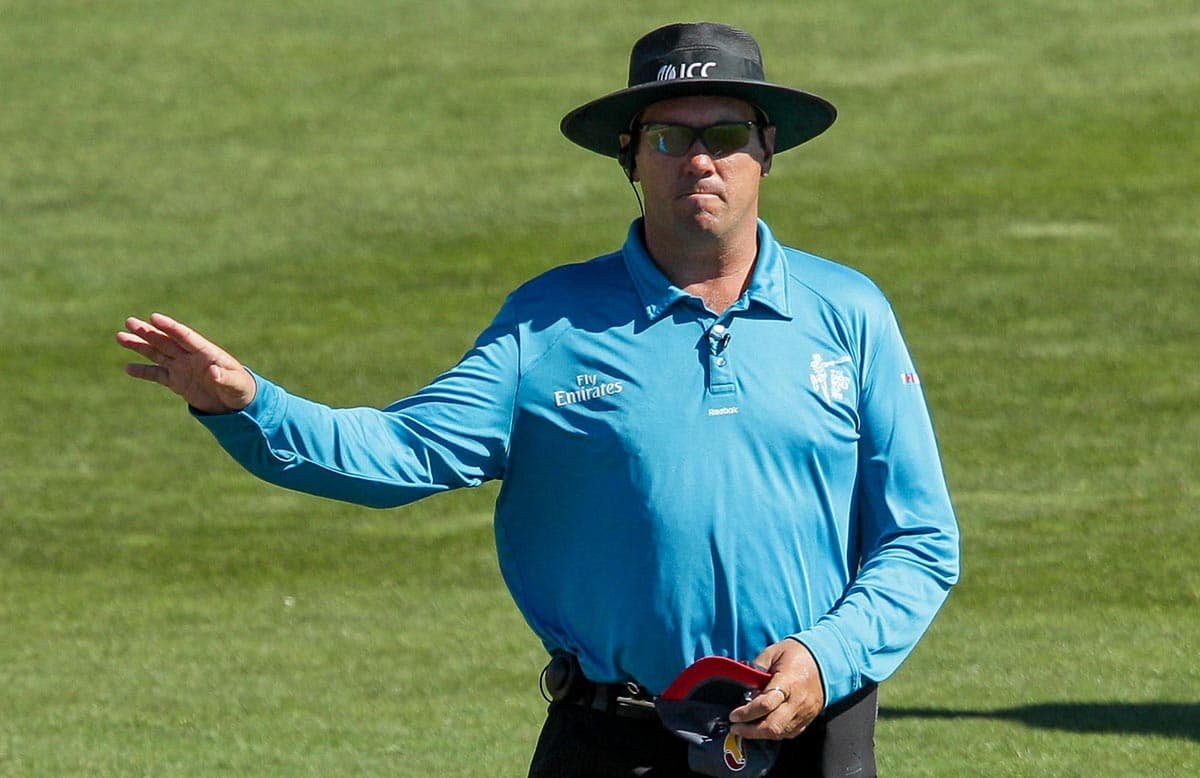
 A no ball is one of the most important laws in cricket. It is called when the bowler delivers the ball unfairly or breaks a bowling law. The batting team gets one extra run, the ball does not count as one of the over, and in limited-overs cricket, the next delivery is usually a free hit after most front-foot no balls.
A no ball can completely change the result of a match. It can save a batter from getting out, give the batting side extra runs, and put pressure on the bowler. Modern cricket also uses technology to check front-foot no balls, making decisions more accurate.
What Is a No Ball?
A no ball is an illegal delivery called by the umpire when the bowler breaks one of the Laws of Cricket. As soon as the umpire calls “No Ball,” the batting team receives one penalty run. The delivery must be bowled again because it does not count as one of the six legal balls in the over.
Types of No Balls in Cricket
1. Front Foot No Ball
This is the most common type. The bowler’s front foot lands beyond the popping crease when delivering the ball.
Result
- One extra run
- Ball rebowled
- Free hit in ODIs and T20Is
2. Back Foot No Ball
The bowler’s back foot lands outside or touches the return crease during the delivery stride.
3. Throwing (Illegal Bowling Action)
If the umpire believes the bowler has thrown the ball instead of bowling with a legal action, a no ball is called.
4. Dangerous Full Toss
Any delivery that reaches the batter above waist height without bouncing is usually called a no ball because it is considered dangerous under playing conditions.
5. Ball Bouncing More Than Once
If the ball bounces more than once before reaching the batter, it becomes a no ball.
6. Ball Rolling Along the Ground
If the ball rolls on the pitch before reaching the batter, the umpire calls a no ball.
7. Ball Pitching Outside the Pitch
If the ball pitches completely or partly outside the playing pitch before reaching the batter, it is a no ball.
8. Bowler Breaks the Stumps
If the bowler accidentally breaks the stumps at the bowling end during the delivery stride, it is a no ball in certain situations.
9. Illegal Field Placement
A no ball can also be called if the fielding team has an illegal field setting, such as too many fielders on the leg side or a wicketkeeper standing illegally.
Umpire Signal for a No Ball
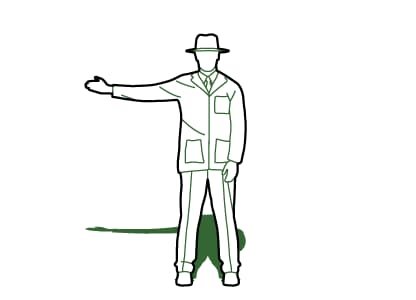
The umpire signals a no ball by extending one arm horizontally to the side. This signal is made immediately after the illegal delivery so both teams know the ball is a no ball.
Can a Batter Be Out on a No Ball?
In most cases, No. A batter cannot be dismissed Bowled, LBW, Caught, Stumped, or Hit Wicket from a no ball.
However, the batter can still be out:
-
Run Out
-
Obstructing the Field
-
Hit the Ball Twice
Famous No Ball Incidents in Cricket History
1. Pakistan’s No Ball in the 2017 Champions Trophy Final
India received an early lifeline when Fakhar Zaman was initially caught behind, but the delivery was a front-foot no ball. Fakhar went on to score 114 runs, helping Pakistan win the title.
Impact: Changed the entire final.
2. Steven Finn’s Broken Stumps Rule
England fast bowler Steven Finn repeatedly hit the stumps with his knee during his delivery stride. The law resulted in several no balls before the rule was later removed.
Impact: MCC eventually changed the law.
3. Brett Lee’s Pace and Front-Foot No Balls
Brett Lee’s aggressive pace often pushed him close to the crease. Several wickets during his career were cancelled because of front-foot no balls.
4. Jasprit Bumrah’s No Ball in the 2017 ICC Champions Trophy Final
Bumrah dismissed Fakhar Zaman early, but television replays showed he had overstepped. The wicket was overturned, and Fakhar later scored a match-winning century.