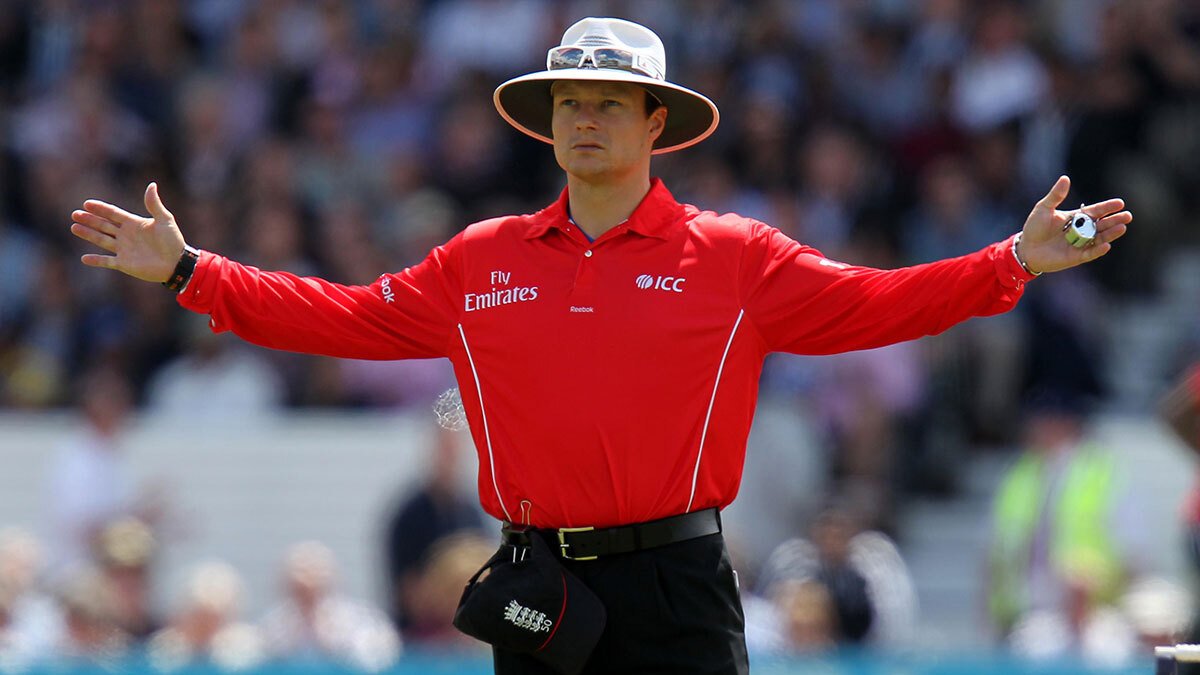
In cricket, every run counts a lot. Particularly, in T20 cricket, even a single ball can change the outcome of the game. Batters in modern cricket continuously move around the crease making it difficult for bowlers to hit the proper line and length. Bowlers, in turn, practice a lot to figure out the proper line and length before the beginning of the match. Batters particularly try to accelerate in limited-overs cricket as they are always on the lookout for making quick runs.
If bowlers are lucky, they may even make a mistake regarding their line and length sometimes resulting in a wide delivery. A wide delivery in cricket is an illegal delivery which is called by the umpire with respect to the bowler’s delivery. As a result of the delivery being wide, the other team receives an additional run, and, in case of white-ball cricket, the delivery has to be bowled again.
Wide ball rules in cricket
| Wide Ball Rule | Explanation |
|---|---|
| Law | Wide balls are covered under Law 22 of the Marylebone Cricket Club (MCC) Laws of Cricket. |
| Law 22.1.1 | If a delivery is not a No-ball and passes wide of where the batter is standing (or has stood after the ball came into play) and would also have passed wide of a batter in a normal batting position, the umpire will call it a Wide. |
| Law 22.1.2 | A ball is considered Wide if it is not within the batter’s normal reach to play a regular cricket shot. |
| 2022 Rule Change | In October 2022, the MCC updated the wide-ball law to account for batters moving across the crease before the ball is delivered. |
| Reason for the Change | The previous law was seen as unfair to bowlers because batters often changed their position before the ball was released. |
| New Wide Ball Rule | A delivery is judged based on the batter’s position after the bowler begins the run-up and whether it would still have been wide of a batter in a normal batting stance. |
| Impact of the Rule | The updated law aims to create a fairer balance between batters and bowlers by considering modern batting movements. |