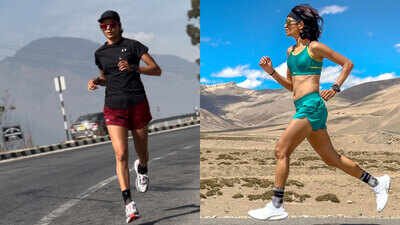
Walk into any major road race in India today and one thing stands out almost immediately. The runners waiting behind the start line are younger, the conversations are different and the field is far more diverse than it was even a few years ago.Some are preparing for their first 10K. Others are chasing a marathon personal best. Increasingly, conversations are also about triathlons, ultra-runs and Ironman races.Weekend run clubs are now a familiar sight across most major cities. For many, they’ve become the entry point into endurance sport.Running, too, has changed over the last few years. What was once largely an individual pursuit has become far more community-driven, helped by run clubs, social media and athletes who are increasingly documenting their own journeys and making the sport feel more accessible.The numbers tell a similar story. The 2026 Tata Mumbai Marathon attracted more than 69,000 participants, the highest in the event’s history. A Socio-Economic Health Impact Report by the Indian Institute of Sports Management (IISM) and Procam International also found that female participation has increased by 150 per cent since 2016, another indication that endurance sport is attracting a much wider audience than before.The athletes themselves have noticed the change.
Different journeys, shared purpose
At 19, Renee Noronha has already become India’s youngest female IRONMAN finisher and recently qualified for the IRONMAN World Championship in Kona after winning her age group at IRONMAN Philippines. Sufiya Sufi, meanwhile, is attempting to run nearly 5,000 kilometres from Kanyakumari to Karakoram as part of her Run for Dreams campaign.Noronha competes in triathlon, balancing swimming, cycling and running over a single day. Sufiya’s challenges are spread over weeks, sometimes months, testing a very different kind of endurance.Yet, some of the answers sounded remarkably similar. Neither spent much time talking about records unless asked. The conversation kept returning to preparation, patience, recovery and routine.Noronha was still a teenager when she got into endurance sport and says the difference over the last couple of years has been noticeable, particularly around the running community.
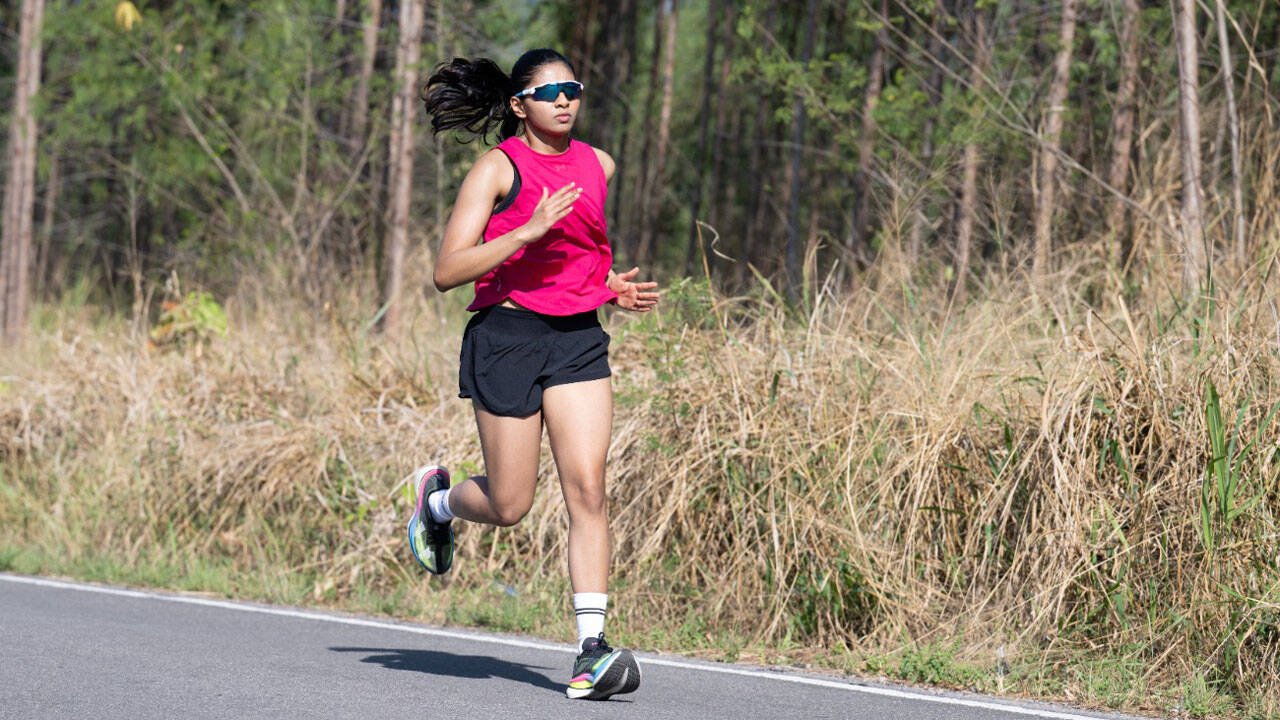
IRONMAN triathlete Renee Noronha (Pic: Special arrangement)
“Yes, I have. So I think two years ago, there were lesser people who were getting into endurance, but now it’s increasing. I think run clubs could be one of the reasons because the rise of run clubs these last two years has gotten more younger people to get together and meet other people their age and run. It’s a really good thing because in the end, they’re exercising and meeting other people. It’s good for their health and people’s health in general.I think another reason could be that they’re seeing other people running. They’re seeing more endurance athletes. So this year, when I went to the Tata Mumbai Marathon, there were so many people and so many younger people as well. If you compare it to when I did it two years ago, there were a lot more younger people this year. I think that’s a really good thing.”For many, running is still the starting point. Triathlon, Noronha says, is a very different challenge altogether.Triathlon, Noronha says, asks people to step much further outside their comfort zone.“So a lot of people start with running – that’s what I did. It is very different from running because you’re learning how to do 2 new sports. Because even I learned to swim when I started triathlons, and it is a long process, and you need to dedicate a lot of time for it”. She laughs while talking about the messages that now arrive almost every day. Most people don’t ask her about podium finishes or race tactics. They simply want to know how to begin.“There are a lot of people who message me and I try to reply to all of them, but there are so many requests. So I started making videos online. When I went for Ironman Philippines, I recorded everything – what I put in my triathlon bags, my transition bags, how to pack my bike, and all these small things. When you start, you don’t know anything. My coach guided me and not everybody has access to a coach. I’d like to help people with these small, small questions.“That, perhaps, is another sign of how quickly the sport is changing. Not long ago, most newcomers relied on coaches or a small circle of experienced athletes. Today, many are learning from runners and triathletes documenting almost every part of the journey, from training sessions to race day logistics.For Sufiya, running came into her life for very different reasons.
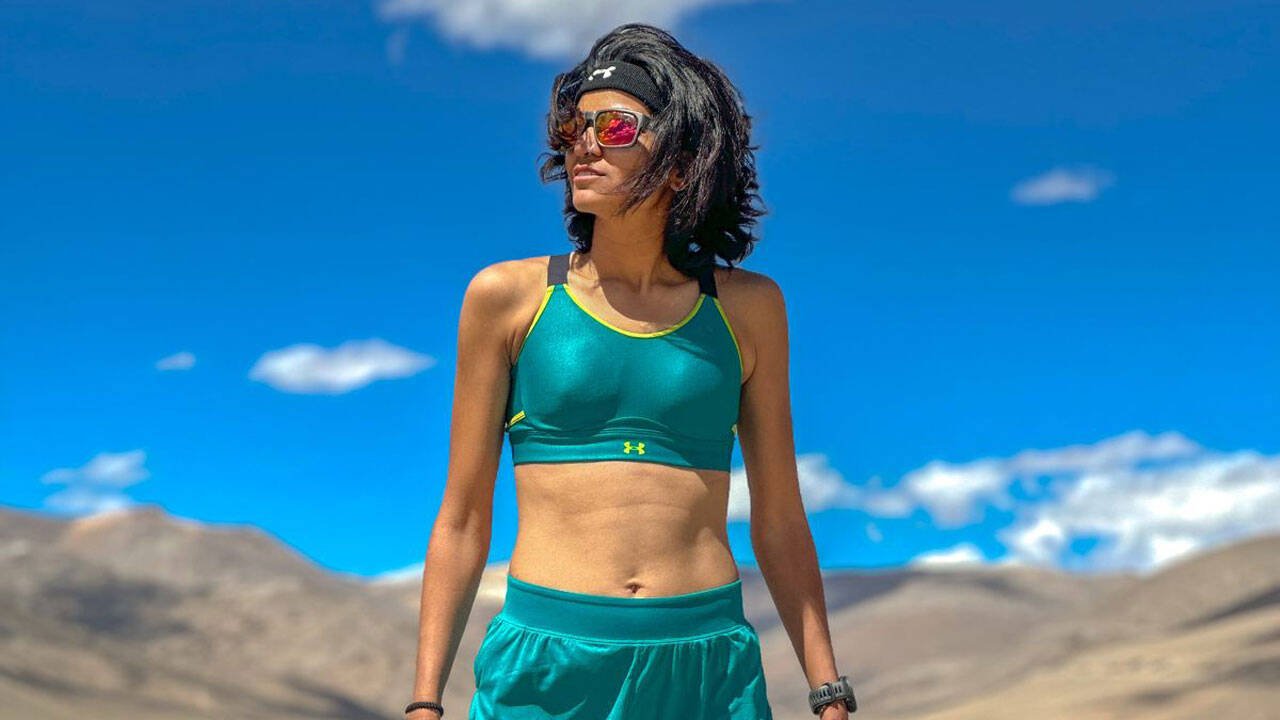
Ultra-runner Sufiya Sufi (Pic: Special arrangement)
What endurance demands
For Sufiya, running was never about chasing records. It started much earlier, at a time when she was looking for direction.“Running started as therapy. It helped me find confidence, peace, and direction during a period when I was searching for all three. Today, it is still therapy, but it has also become my purpose and my profession. Running is now the way I connect with people, tell stories, honor causes I believe in, and discover my own potential.”Ask Sufiya how she introduces herself today and she doesn’t begin with records or milestones.“I would say I am a runner on a mission who is still discovering what endurance means every single day. Records are important and I am grateful for them, but they are only milestones. What excites me more is the journey and the lessons that come with it. Every challenge teaches me something new about resilience, patience and belief.”Over the years, Sufiya has taken on some of India’s toughest endurance challenges, including her record-setting run from Manali to Leh. Her current project, Run for Dreams, is her most ambitious yet – a nearly 5,000-kilometre run from Kanyakumari to Karakoram that she says is about much more than covering distance.“I believe every challenge in my life has prepared me for this one. After completing multiple record-breaking projects across India and in extreme conditions, I felt physically and mentally ready for something bigger. This run is not just about running 5000 kilometres. It is about inspiring people to chase their dreams and paying tribute to our brave soldiers. Everything in my journey seemed to point towards this challenge and 2026 felt like the right moment to make it happen.“Noronha’s journey into endurance took a different route. She started out as a rhythmic gymnast before running and triathlon gradually took over. It also meant learning two new disciplines from scratch.
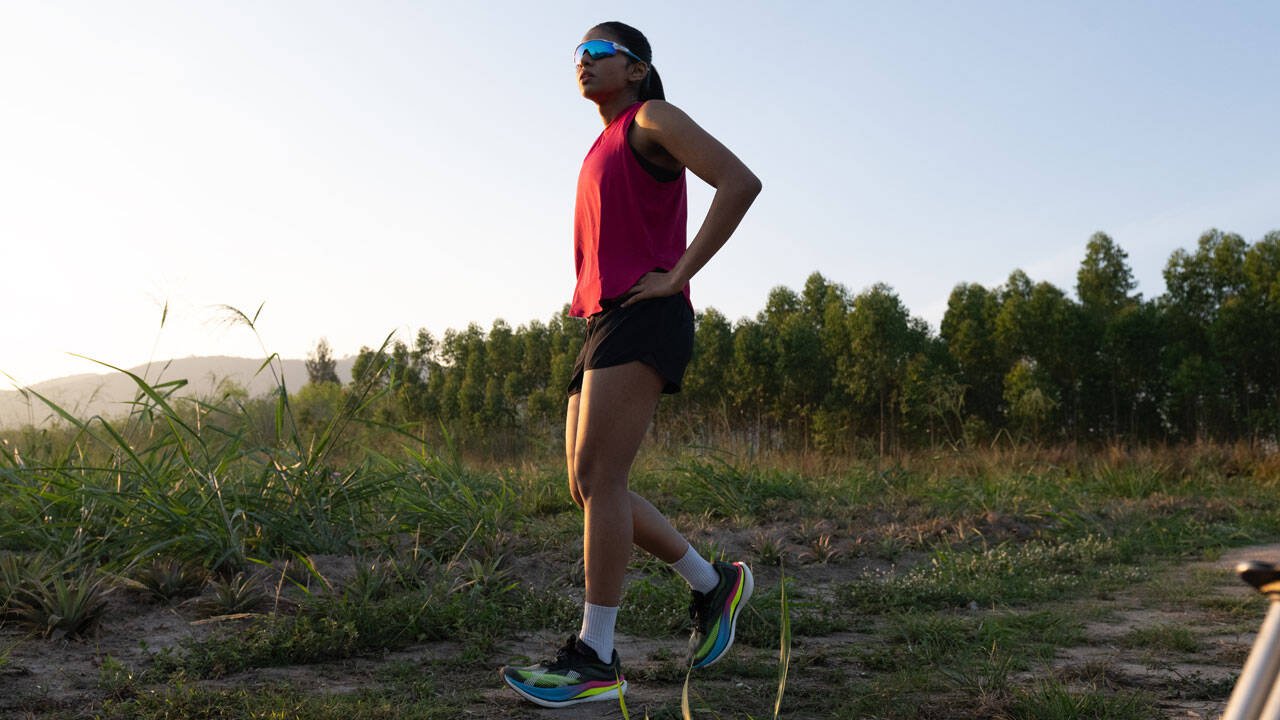
IRONMAN triathlete Renee Noronha (Pic: Special arrangement)
More than the finish line
Yet speaking to both of them, there is little emphasis on the numbers themselves. Instead, Preparation is where both conversations kept returning.Noronha’s biggest breakthrough this year came on one of Asia’s toughest Ironman courses. Sufiya’s latest challenge is testing her over thousands of kilometres, changing terrain and unpredictable weather.For Noronha, preparing for an Ironman starts months before race week. Every course presents a different challenge. The weather, elevation profile, nutrition strategy and even the time spent getting used to local conditions all become part of the planning.“There is a lot of planning and preparation that goes into an Ironman. First, you need to check the weather conditions and the bike route. You can predict the temperature, but weather conditions can change.“We went to the Philippines a week before the race to get used to the weather. There were actually extreme weather alerts because of the rain. Every morning at five, the alerts would go off and I was just hoping it wouldn’t affect race day.“I had been preparing for the heat for months. I was wearing jackets during training and using heaters because I knew the Philippines would be around 30 degrees with very high humidity. I started preparing for those conditions last year.”At Ironman Philippines, Noronha had prepared for the heat. Instead, she found herself navigating jellyfish during the swim before torrential rain flooded sections of one of Asia’s toughest bike courses.“During the swim there were so many jellyfish and I got stung. Then during the bike ride it started pouring, exactly like Mumbai rains. The roads were flooded and there were so many people who got punctures and got injured. It was really scary but I just tried to remain calm and stay safe.“When I crossed the finish line, I was just happy that I had finished. The next day I found out that I had qualified for Kona. It was worth every bit of that difficult race.”Training is only one part of the preparation. As athletes move towards bigger races, dependable equipment becomes another consideration. Noronha, who has been supported by Under Armour since last year, says having confidence in her race-day gear allows her to focus on the challenge itself rather than worrying about avoidable variables.Sufiya’s preparation looks very different. Running 5000 kilometres cannot be approached one day at a time only after the challenge begins. It starts much earlier, with months of building endurance, strength, recovery and mental resilience.“My preparation includes strength training, mobility work, recovery sessions, nutrition planning, meditation and, of course, running. Endurance is not built only through mileage; it is built through consistency across every aspect of training.“I focus on the process rather than the distance because that keeps me grounded. If you only think about the finish line, you lose sight of what needs to be done every day.”“The extreme heat and humidity in southern states of India were one of the toughest challenges so far. There were moments when I came very close to heat exhaustion.“But in situations like that, experience becomes your biggest strength. Endurance is not always about pushing harder. Sometimes it is about listening to your body and making smart decisions so you can keep moving forward.”Sufiya, too, says dependable equipment becomes increasingly important during a challenge that stretches across thousands of kilometres, adding that her partnership with Under Armour has helped during long training blocks and her ongoing Run Across India campaign.
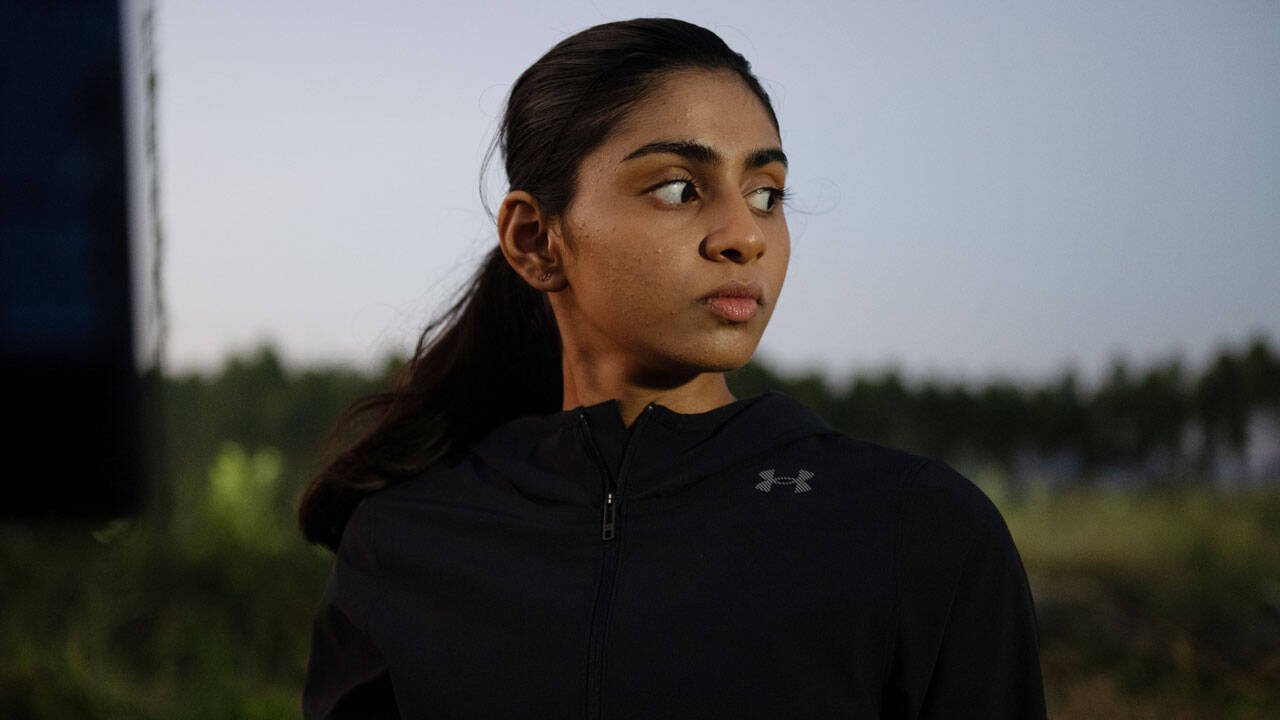
IRONMAN triathlete Renee Noronha (Pic: Special arrangement)
India’s endurance future
Progress in endurance sport rarely comes quickly. Sometimes, athletes wait years before seeing the gains they’re training for.It’s one of the first lessons Noronha learnt after taking up triathlon. Unlike many sports, where athletes often peak in their early or mid-twenties, endurance racing rewards experience as much as physical ability. Some of the biggest names in the sport continue to compete at the highest level well into their thirties.Noronha sees that as an advantage rather than something to worry about.“Triathlons and endurance sports… you actually peak in your 30s. So I’m still in the very early stages of my triathlon journey and I’m waiting for my performance to improve. I need to be patient because around 32 is the age when you’re the fastest in your whole career.”Sufiya believes the change goes well beyond participation numbers.“I think endurance is gradually becoming part of India’s fitness culture. People are beginning to appreciate qualities like consistency, discipline, patience and mental strength. These are values that endurance sports naturally teach.“At the same time, support from brands is helping accelerate that growth. When companies invest in endurance athletes and create communities, they bring visibility to the sport and inspire more people to participate. That support helps athletes pursue bigger goals while also encouraging the next generation to believe endurance sports can become a meaningful part of their lifestyle.”Sufiya also believes the growth of endurance sport will ultimately be measured not by records but by participation.Every day on her current run, she meets people who stop to ask questions, run alongside her for a few kilometres or simply offer encouragement. For her, those interactions are often as memorable as the distance itself.“Every day I meet strangers who become supporters within minutes. Someone offers water, someone runs a few kilometers with me, someone simply stops to say, “Keep going.” Those moments stay with me.”“When I started, very few people understood what ultra-running was. Today, there are more races, more communities, and more athletes willing to challenge themselves. Social media has also played a huge role in helping people discover endurance sports and understand that these challenges are not only for elite athletes – they are for anyone willing to commit to the process,” says Sufiya. Triathlon still demands significant investment in equipment and training. Ultra-running remains physically and mentally demanding. Even completing a first marathon requires months of preparation.But the barriers to entering the sport are steadily becoming smaller. Communities are growing, information is easier to access and more athletes are sharing their experiences with those taking their first steps.Whether it leads to a first marathon, an Ironman or an ultra-run, the pathway into endurance sport looks far more accessible today than it did a few years ago. Both Noronha and Sufiya believe that is only going to bring more people into the sport.