When it comes to popular sandwich spreads, mayonnaise is often loved by people of all age groups. Consuming raw egg mayonnaise in a state where it is banned is quite a shock. According to a recent report by The Hindu, the Telangana Food Safety Department found five food establishments violating the State government’s prohibition on the production, storage and sale of mayonnaise prepared from raw eggs during a statewide special enforcement drive conducted to ensure compliance with the ban. Scroll down to read the details.According to the report, food safety officials inspected 131 food establishments across Telangana; five were found to be using or storing mayonnaise prepared from raw eggs in violation of the government’s notification. Reports indicate that 10 kg of mayonnaise made using eggs or broken eggs was seized and destroyed on the spot. Adjudication proceedings have been initiated against the violators under the provisions of the Food Safety and Standards Act.
Why was raw egg mayonnaise banned?
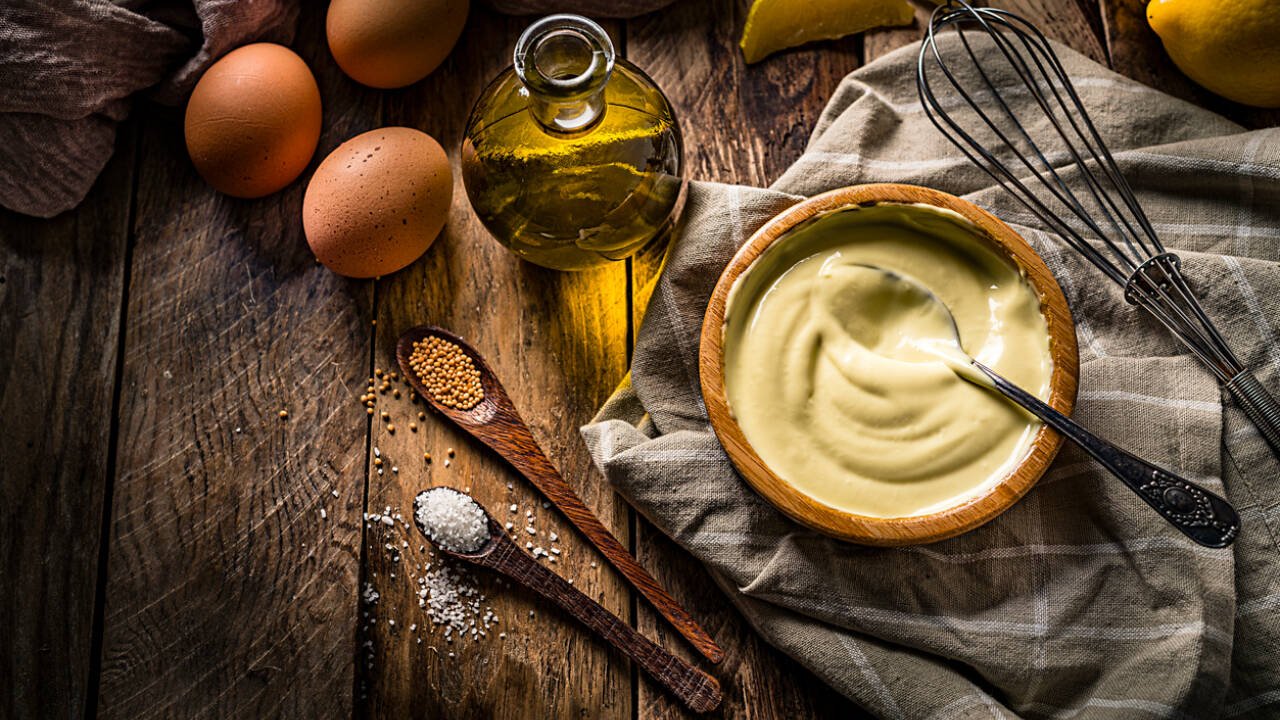
Telangana state government banned the production, sale and storage of mayonnaise sauce made from raw eggs across the State in October 2024 to address potential public health risks. For the unversed, State Health Minister D. Raja Narasimha made this decision after reviewing it with officials from the Food Safety Department. The Food Safety Commissioner issued the prohibition orders and the ban took effect immediately. The order cited Section 30 (2) (a) of the Food Safety and Standards Act, 2006 for imposing the prohibition. It highlighted the risk of food poisoning associated with raw egg-based mayonnaise. In 2024, a series of food poisoning incidents and public complaints indicated that the popular ingredient used along with kebabs, pizzas, burgers and sandwiches may have been a factor in multiple food-borne illnesses prompting the government to take pre-emptive action.
How can raw-egg mayonnaise pose a health hazard?
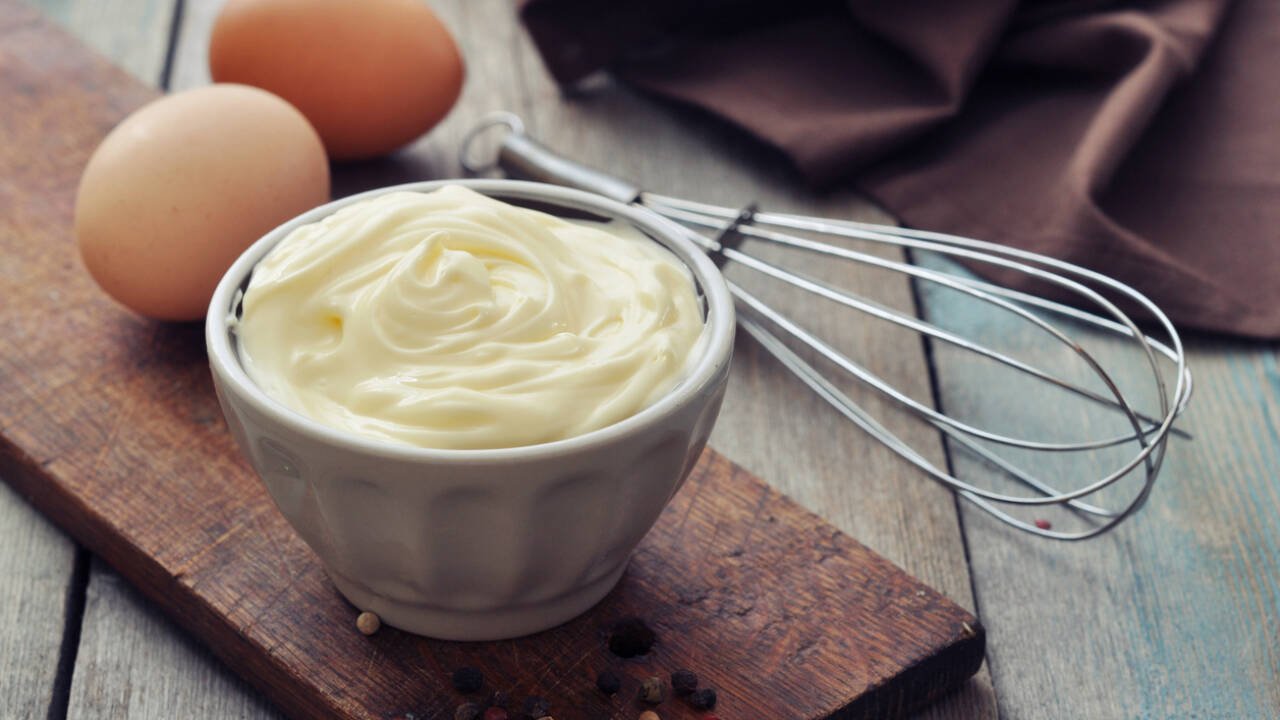
Risk of Salmonella Infection: According to studies, raw eggs can carry Salmonella bacteria, which can cause food poisoning, including diarrhea and fever.Biotin Deficiency: Raw eggs contain a protein called avidin that binds to biotin (Vitamin B7) and can block its absorption.Digestive Issues: Eating raw eggs in any form can lead to bloating, gas, or stomach discomfort in some individuals.Allergic Reactions: If reports are to be believed, raw eggs can also trigger allergies, leading to hives, swelling, or even serious breathing problems.
About origin of Mayonnaise
There are several theories about the origins of this culinary invention; however, the one that’s been most widely accepted says that the sauce was invented in 1756 by the Duc de Richelieu’s chef in honor of the Duke’s victory at Port Mahón, a city on the Spanish island of Menorca. per experts, it is made with main ingredients, oil and water obtained from an egg yolk or a vegetarian source. It is said that the lecithin in the yolk or a veg source like soy, acts as an emulsifying agent to mix the two liquids. Additional ingredients added are vinegar, lime and flavouring. Almost 70-80 per cent of mayo is oil. Other conflicting stories suggest that the sauce is of Spanish origins, while some claim that it originated from the French cities of Bayonne or Les Mayons. When it comes to mayonnaise’s name, there are also multiple theories behind the word’s evolution.
How to make Eggless Mayonnaise
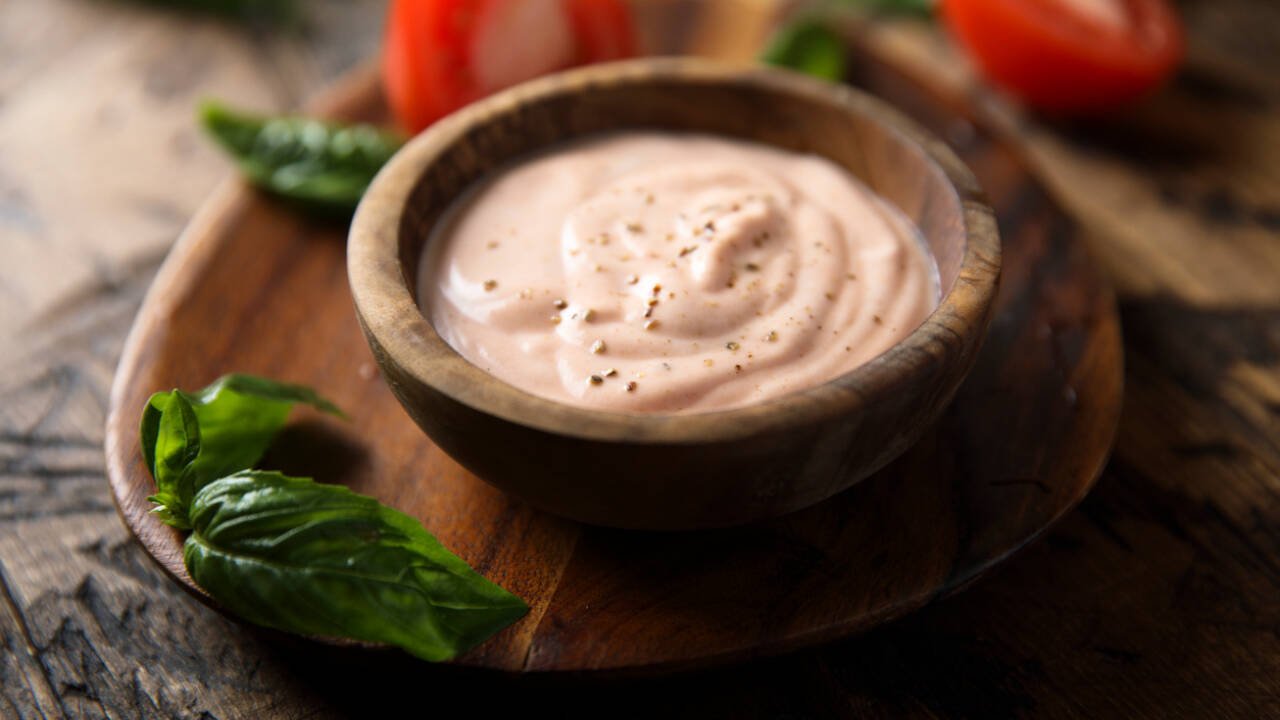
Ingredients required: ½ cup full-fat milk, 1 cup neutral oil, 1 tablespoon vinegar, 1 teaspoon mustard paste, 1/2 tsp sugar, and salt to tasteMethod: Blend the milk in a tall jar or blender. While blending, slowly drizzle in the oil. Once it starts to thicken add vinegar, mustard, salt, and sugar. Blend for another few seconds until everything is smooth and creamy. Adjust salt or add a little extra oil if needed to adjust thickness and flavor. Pour into a clean jar. Refrigerate and use within 5–7 days.
3 other alternatives to mayonnaise
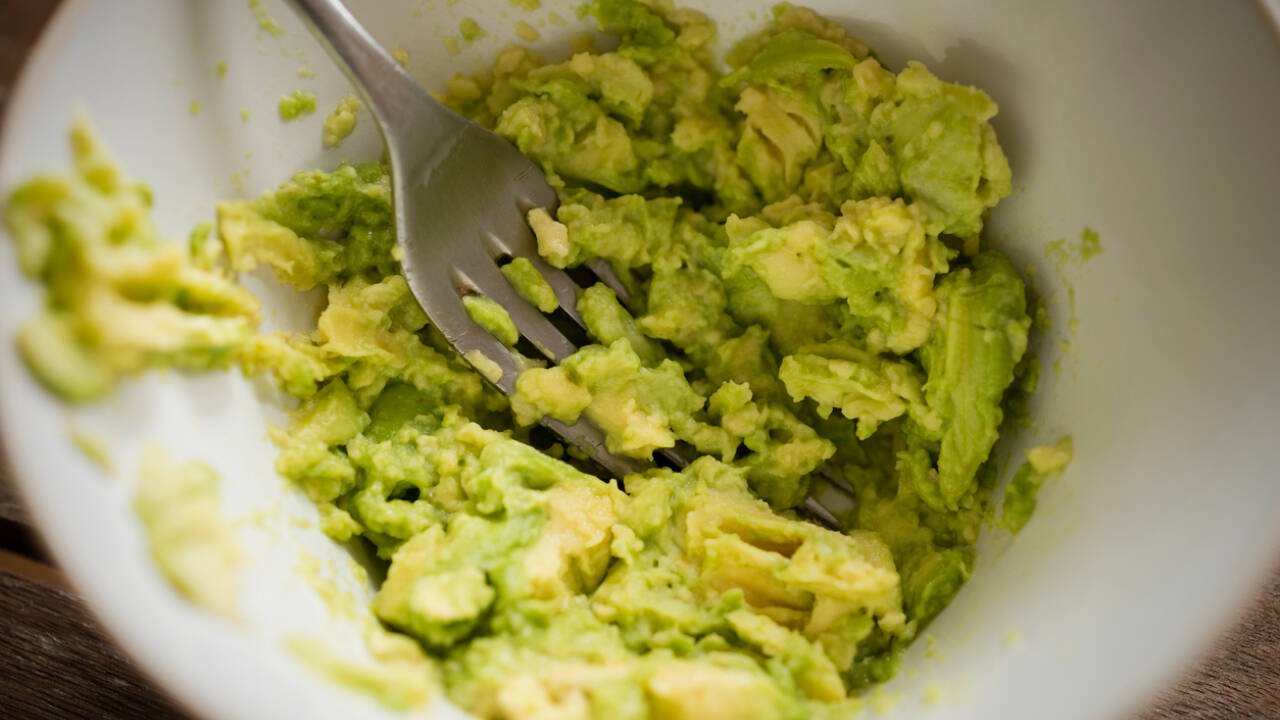
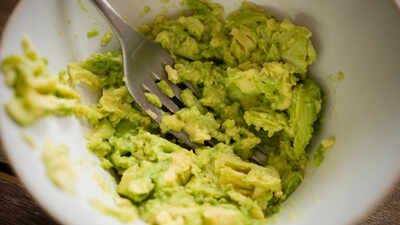
Mashed Avocado: If you are not a yogurt person, try mashed avocado. It goes well with sandwiches, burgers, and salads and is rich in healthy fats, fibre, and vitamins.Greek Yogurt: A thick, creamy and high in protein alternative to mayonnaise. Use on sandwiches, wraps, salads and dips. It adds a tangy flavour while reducing calories and fat.Hummus: Hummus is made from chickpeas, tahini, olive oil and lemon juice. It adds protein and fibre, plus a savoury, slightly nutty flavour to foods.