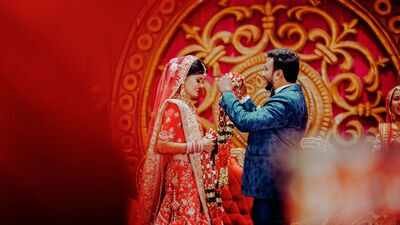
VanVivah, positioned as the World’s Largest Wedding Expo is being held in Delhi bringing together ecosystem under one roof. It is reported to feature 150+ exhibitors and leading brands across a 1,40,000+ sq. ft. venue, with 100+ curated stalls and 70,000+ sq. ft. of dedicated exhibition space. It is designed around exhibition, discovery, knowledge-sharing and networking, bringing together categories that traditionally operated as separate parts of the wedding business.The scale of the event reflects a larger change underway in India’s wedding industry. Weddings are no longer just a series of traditional ceremonies organised by families and local vendors. They have evolved into complex celebrations involving fashion, jewellery, beauty, décor, hospitality, travel, entertainment, technology, photography, food and increasingly, destination experiences.As Indian weddings become larger, more personalised and increasingly global, the traditional hunt for vendors is giving way to curated experiences where couples can compare ideas, discover destinations, meet designers and build an entire celebration under one roof. The business generated by this ecosystem is enormous. Confederation of All India Traders (CAIT) projected approximately ₹6.5 lakh crore in business from 46 lakh weddings during the 2025 wedding season. Separately, IMARC Group estimates that India’s wedding services market reached US$32.98 billion in 2025 and could reach US$92.67 billion by 2034, representing a projected compound annual growth rate of 12.16% during 2026–2034.
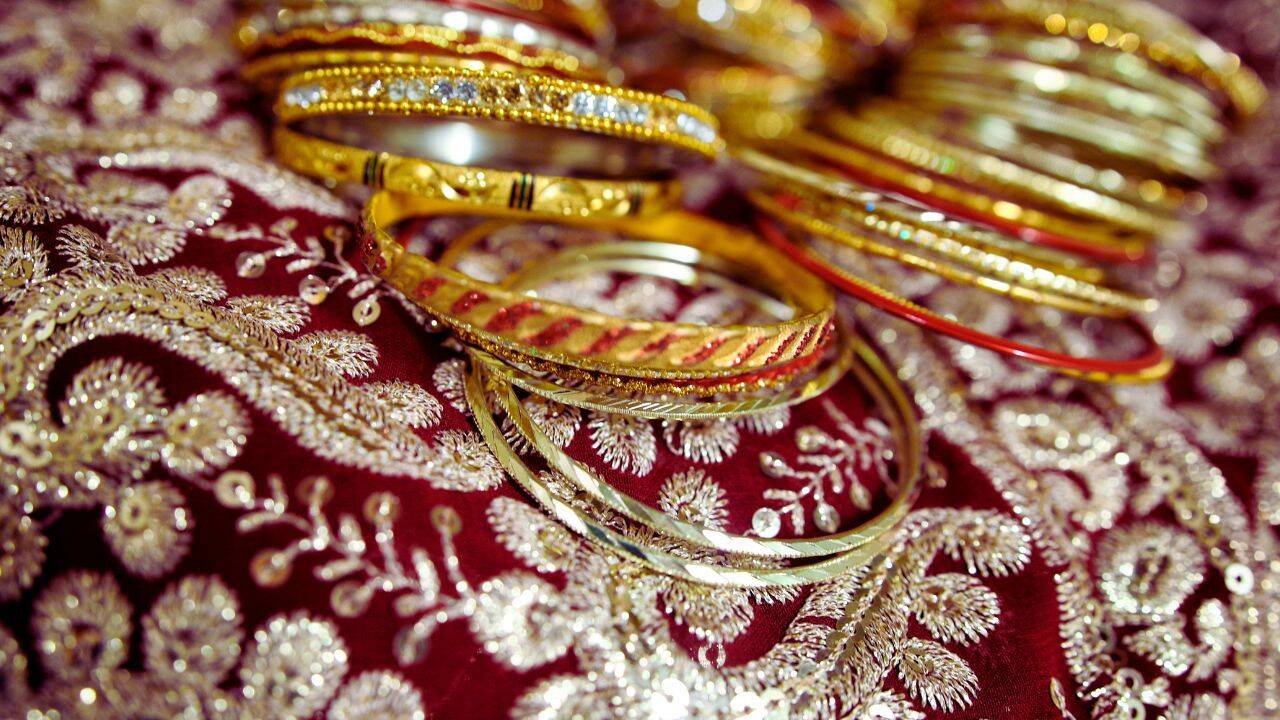
Shopping for Indian weddings is herculean
The destination-wedding segment is expanding even faster in IMARC’s assessment. Its research puts the Indian destination wedding market at US$4.3 billion in 2025, with a projection of US$26.6 billion by 2034, a CAGR of 21.87%. The report points to rising disposable incomes, social-media influence and demand for personalised experiences as important growth drivers.According to Gaurav Mudgal, Managing Director, Black Rock Hotels & Resorts, “ What is interesting about India’s wedding economy today is that it is no longer being driven by hospitality or wedding planners alone. A much larger ecosystem has developed around weddings, bringing together hotels, designers, jewellers, fashion and beauty brands, entertainment companies, photographers, technology platforms, travel specialists and increasingly even luxury and lifestyle brands. As wedding spends have expanded, these businesses have also become more specialised, and that is changing how the industry operates. The ability to combine global ideas with deeply local celebrations is becoming one of the defining characteristics of India’s wedding industry.”Why weddings have become such a huge businessPart of the answer lies in how the meaning of a wedding has changed. For many couples, the wedding is no longer viewed simply as a one-day ceremony. It can involve several days and multiple functions, each with its own visual identity, menus, outfits, entertainment and guest experience. A mehendi may have a different décor concept from the sangeet; a wedding ceremony may be built around a particular colour palette or cultural theme; and a reception may have its own entertainment and styling.Social media has accelerated this shift. Couples are exposed to weddings from around the world and increasingly arrive at the planning stage with visual references, specific expectations and ideas about how they want their celebrations to look and feel.This has created opportunities for an enormous network of specialists. A wedding can involve bridal couture designers, jewellery houses, makeup artists, photographers, cinematographers, planners, decorators, invitation designers, florists, artists, entertainers, chefs, hotels, resorts, travel companies, transportation providers and technology platforms. The wedding therefore becomes more than an event. It becomes an ecosystem of consumption, services and experiences. And as that ecosystem expands, discovering the right options becomes a challenge in itself.
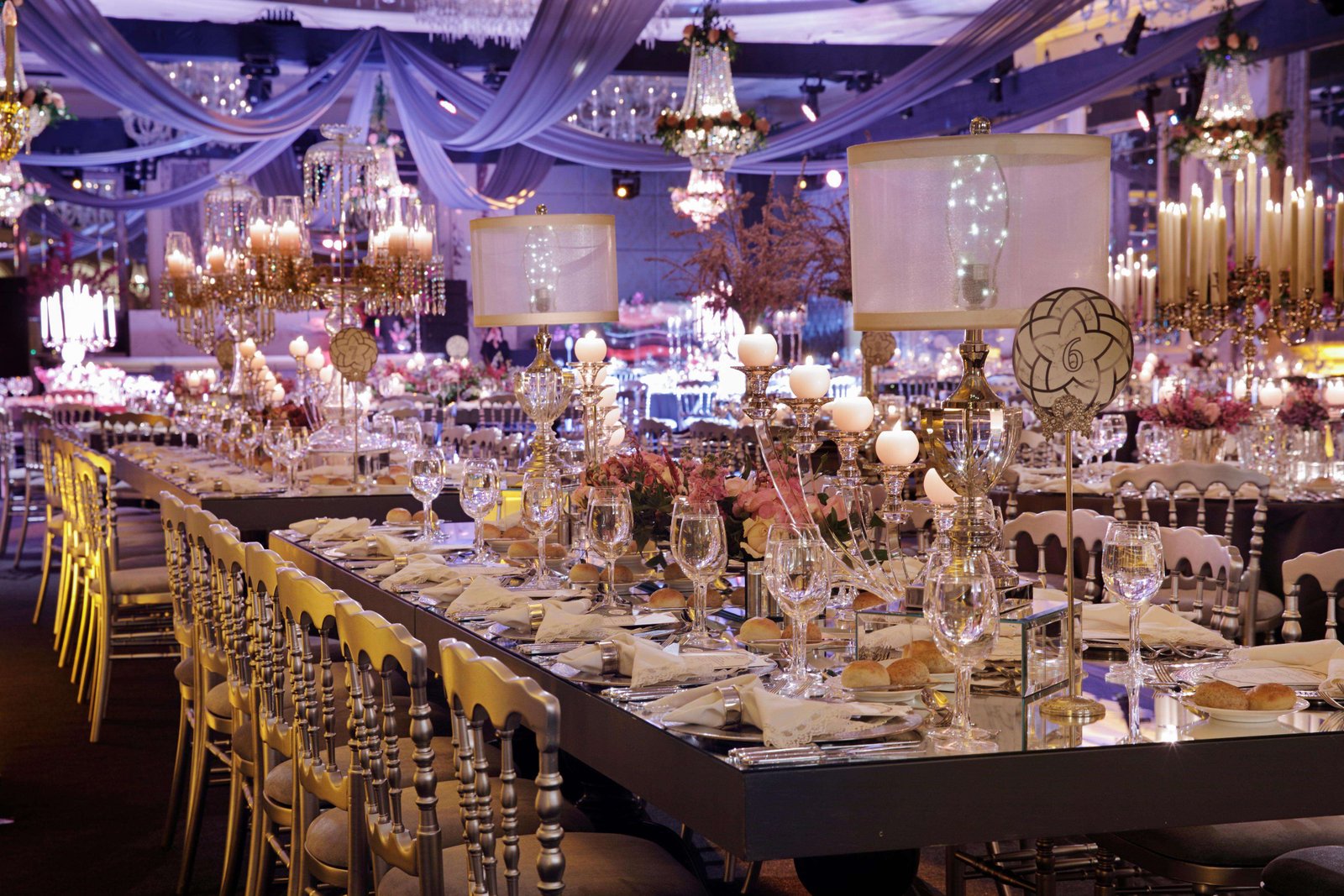
Wedding expos bring several brands under one roof
The problem with a fragmented wedding marketTraditionally, couples and families have often discovered wedding vendors through personal recommendations, family networks, local markets, social media and individual appointments. That approach still works, but it can become complicated when the number of decisions grows. A couple may need to separately research designers, compare jewellery, shortlist venues, speak to photographers, understand décor options, explore catering, investigate destinations and then coordinate all of these choices.The rise of curated wedding expos responds to precisely this problem. Instead of asking couples to search across dozens of disconnected businesses, an expo brings multiple parts of the ecosystem into one physical environment. This changes the role of an expo. It is no longer simply a marketplace where exhibitors display products. It becomes a discovery platform. Tejwannt Singh Lamba, Founder, VanVivaha says, “From family advice and social media noise to planners and digital platforms, the wedding space feels increasingly fragmented. Even though the industry is worth over 50,000 crore rupees, there’s still no large-scale national expo that brings everyone together, the way Auto Expo or Ahhaar do for their industries. A wedding expo has the potential to bring families, couples, planners, brands, and industry experts onto one platform, creating a curated experiential environment where people can discover, meet, interact with and experience some of the finest wedding brands in a more meaningful and organized way.”The rise of the curated wedding journeyThe word “curated” matters because modern couples are not necessarily looking for maximum choice. They are looking for relevant choice. A large exhibition can overwhelm visitors if hundreds of unrelated businesses simply compete for attention. Curated formats attempt to organise the experience around how people actually plan weddings. A couple thinking about a destination celebration, for example, can discover a resort, speak to a planner, explore décor ideas, look at photography concepts and learn about travel arrangements within the same visit. Similarly, someone beginning the bridal-shopping journey can move from couture to jewellery to beauty rather than treating each decision as a completely separate exercise. This creates a different kind of consumer experience: one in which discovery happens before booking.
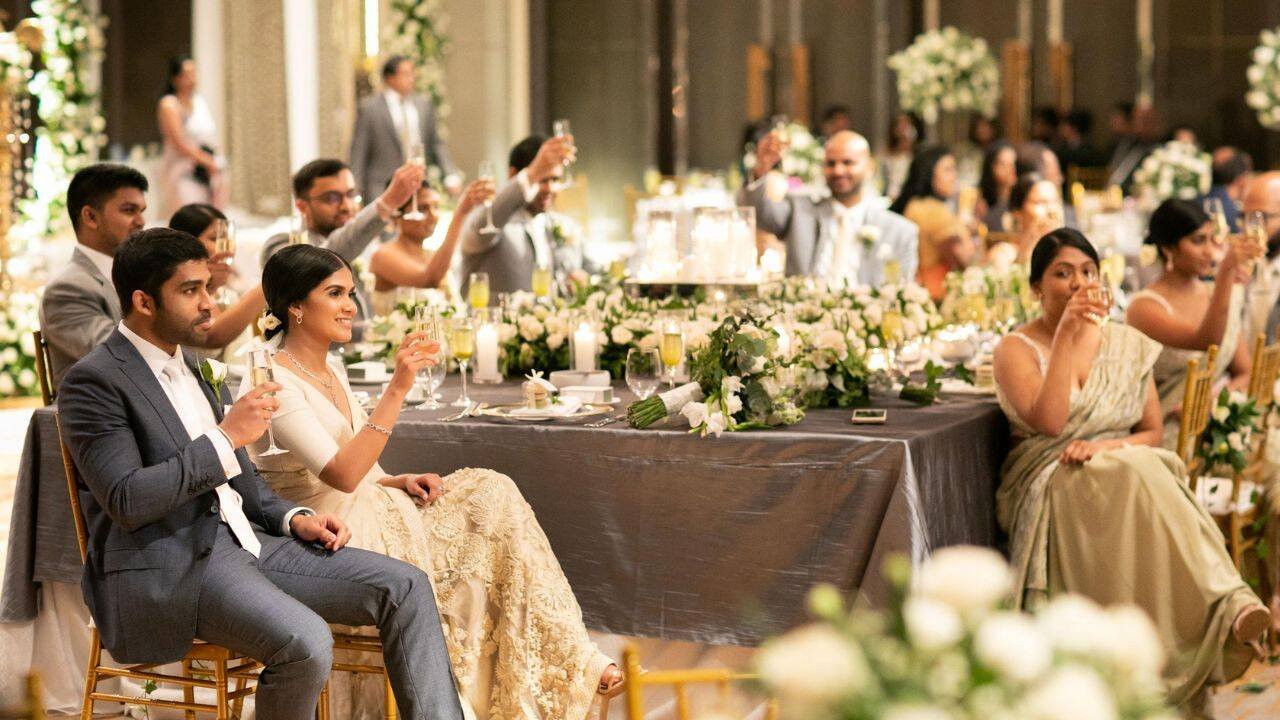
The demand for curated experiences has seen a steep rise
A couple may enter an expo knowing exactly which service they need and leave having discovered three possibilities they had not previously considered. That matters in a category where inspiration often influences purchasing decisions.From vendors to experiencesAnother important shift is the growing emphasis on experience. IMARC’s destination-wedding research identifies personalised and themed celebrations, multi-day weddings and activities built around the destination as important trends. That means a wedding is increasingly being designed not just around the couple but around the experience of everyone attending. Guests may be taken to a heritage property, given curated menus, entertained by live performers, offered local experiences or taken on excursions between wedding functions.This is where the wedding industry begins to overlap with tourism and hospitality. A destination wedding can generate business for hotels, airlines, ground transportation, restaurants, photographers, local artisans, event companies and tourism operators. The wedding becomes a way of showcasing a destination as much as celebrating a marriage. India’s diverse cultural and geographical landscape gives this model particular scope. Palace weddings, beach celebrations, mountain weddings, heritage properties and celebrations rooted in regional food and craft can all become part of the same broader wedding economy.
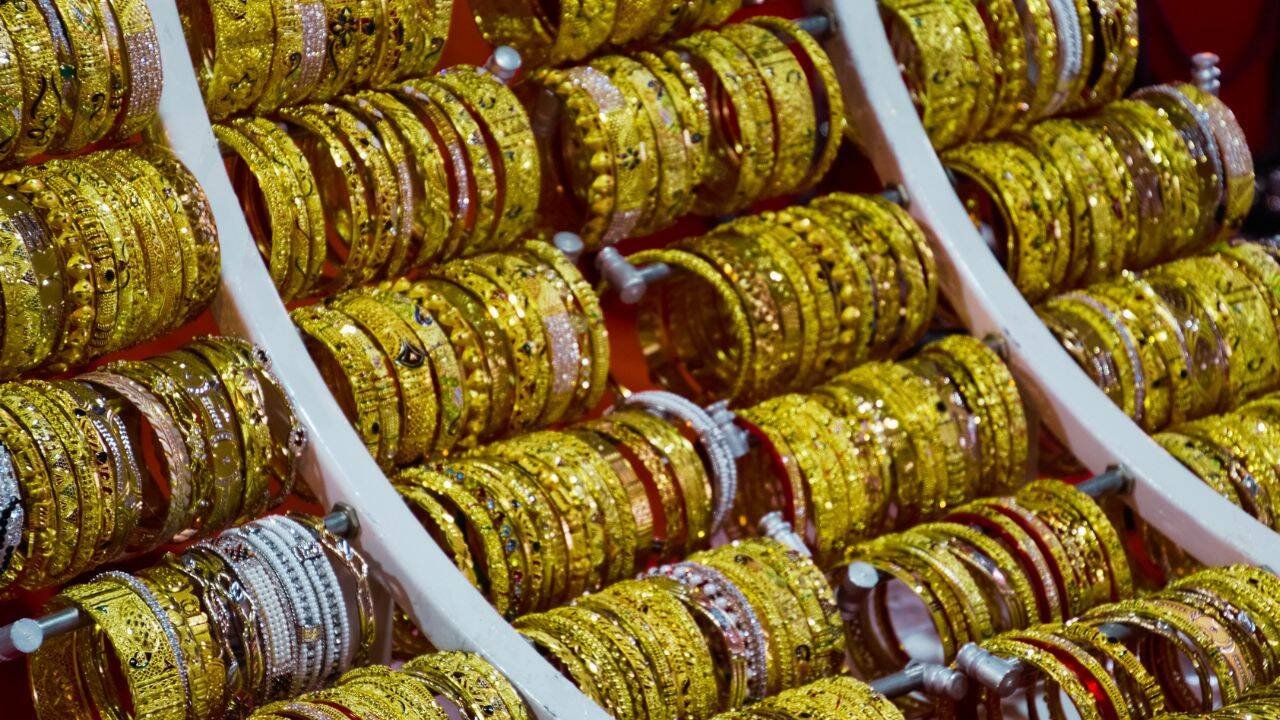
Wedding economy is perpetually expanding
Why expos can help take Indian weddings globalThe next evolution may be even larger: positioning India itself as a wedding destination for international families. That positioning is significant because India has something few wedding destinations can replicate easily: a combination of heritage, craftsmanship, cuisine, fashion, hospitality and ritual traditions. A global couple looking at an Indian wedding is not simply buying an event package. They may be choosing a palace, a cultural experience, regional cuisine, Indian couture, local jewellery and several days of celebration.A well-designed expo can make that ecosystem easier to understand. It can put the destination, service providers and creative talent into one conversation.The wedding expo as a business platformFor exhibitors, the value of these events extends beyond selling directly to couples. Wedding planners can meet hotels. Hotels can meet destination-management companies. Designers can connect with planners. Travel companies can form partnerships with resorts. Jewellery brands can collaborate with fashion designers. This creates a B2B layer beneath the consumer-facing exhibition.That distinction could become increasingly important as the wedding market becomes more organised. The future wedding marketplace may not be defined only by the number of vendors available, but by how efficiently those vendors can connect with each other and with consumers. Sarthak Saini, Director, A Dot, says, “As India’s wedding economy becomes larger and more interconnected, the way couples discover and plan celebrations is evolving rapidly. Today’s couples are looking beyond individual vendors and seeking complete experiences that bring together hospitality, fashion, décor, entertainment, technology, and luxury services. Expos will enable families to make more informed decisions, by bringing the entire wedding ecosystem together, making discovery more immersive, collaborative, and meaningful for everyone involved.“
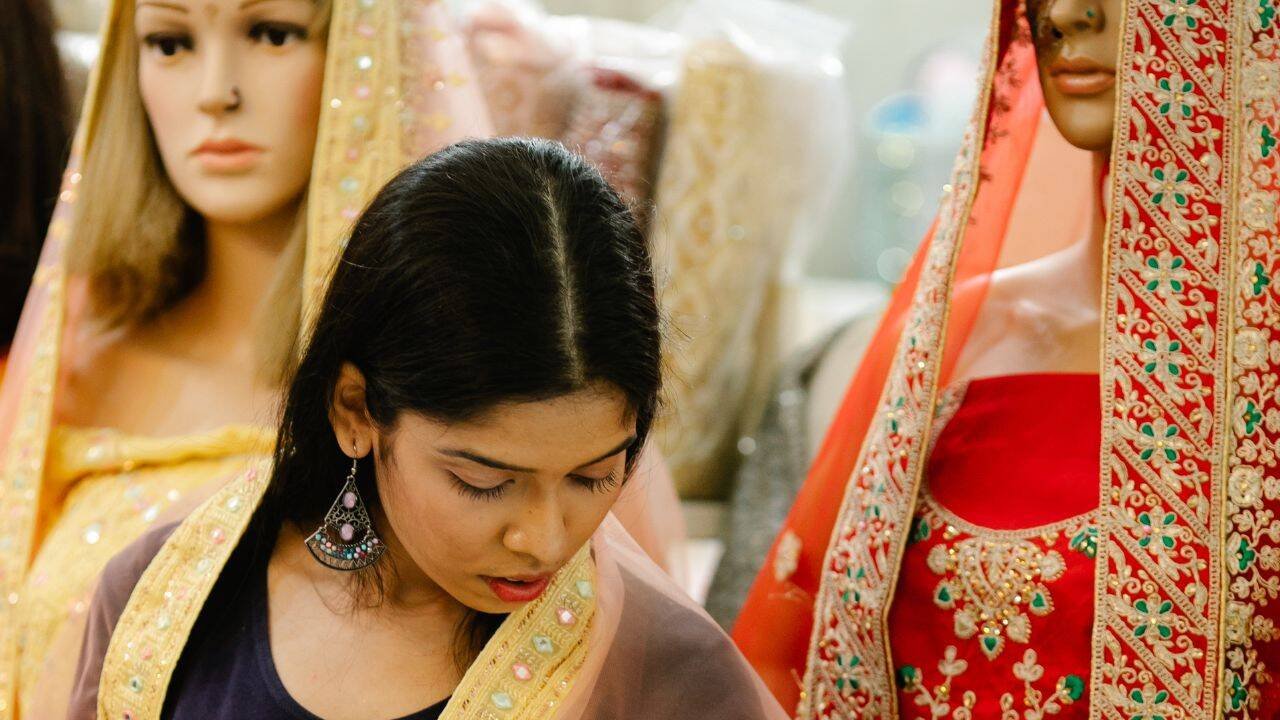
Convenience is the biggest promise of an expo
A new way of planning the big dayAccording to Katerina Dixon, Assistant Vice President, Regional Marketing and Corporate Communications, MEIA, Shangri-La Group, ” India’s wedding economy is evolving rapidly, becoming both larger and more global, as couples increasingly seek experiences that reflect their personalities, traditions and aspirations. Weddings today are no longer centred solely around a venue; they are thoughtfully curated journeys that span destination selection, guest experiences, gastronomy, décor and personalised celebrations. At Bandhan by Shangri-La, we have witnessed a clear shift in how couples approach wedding planning. Modern couples are more informed, research-driven and experience-focused, often exploring multiple destinations and concepts before making a decision. This is where curated wedding expos are playing an increasingly important role.”The biggest change, perhaps, is psychological. Earlier, wedding planning often began with a checklist: venue, clothes, jewellery, food, décor, invitations. Increasingly, it begins with a question: What kind of wedding do we want to create? That shift changes how couples search. They may begin with a destination rather than a venue, a mood rather than a décor supplier, a culinary experience rather than a caterer, or a visual concept rather than a designer.Curated expos fit naturally into that behaviour because they allow couples to see possibilities rather than simply compare prices. The wedding industry, in other words, is moving from transaction to discovery. And as India’s wedding economy grows, that distinction could become increasingly important.The next generation of couples may not want to spend months moving from one disconnected vendor appointment to another. They may prefer spaces where fashion, hospitality, travel, jewellery, food, décor, entertainment and technology can be explored together, with inspiration coming before the final decision. That is ultimately what the rise of curated wedding expos represents: not simply bigger exhibitions, but a changing way of imagining, discovering and building the Indian wedding.India’s wedding economy is getting bigger. But it is also becoming more connected, experiential and global. As couples look beyond traditional venues and seek celebrations that reflect their personalities, cultures and aspirations, the way they plan and discover their weddings is changing too. The wedding of the future may not begin with a venue booking, it may begin with an idea, an experience or a discovery at a curated wedding platform.